— Fargegaten
Useful information
Accessibility along the edge of Norway: Stavanger
Last updated 2026-09-11
Along the edge of south-western Norway, charming wooden towns, long beaches, green cultural landscapes, historic lighthouses, varied museums and beautiful fjords cut deep between steep mountainsides. The region is compact enough to experience a great deal in a short time, while its variety leaves room for many different interests.
By Adele Heidenreich, accessible tourism consultant and writer
Adele visited and tested the places featured in this article to describe their accessibility in practice.
This journey went through Jæren and the coast south of Stavanger, Sandnes and Stavanger. It was made by car and on crutches to see what the possibilities are like in practice. Along the way, places, activities and accommodation were visited and assessed to make it easier to plan from home according to individual needs. This applies whether visitors use a wheelchair or other mobility aids, are senior travellers, or have other forms of reduced mobility. With clear information, it becomes easier to plan and experience the region with greater predictability and confidence.
In this part, the journey takes us to Stavanger.
Stavanger brings together a great deal within a compact area, from white-painted wooden streets and lively harbour areas to museums, food experiences, colourful urban spaces and boat trips into the impressive fjord landscape.
For a first introduction, Hop On Hop Off City Sightseeing can be an energy-saving and relaxing way to get one's bearings, while also giving visitors a useful sense of the city's distances, neighbourhoods and main attractions during the roughly one-hour circuit.
The first boarding point is centrally located by the cruise harbour, close to several of the city's most visited attractions, and the area is flat and even. Boarding usually involves a small step forward from the pavement or one step up into the bus from ground level, but a wheelchair ramp is available. Inside, there is a wide aisle and a dedicated wheelchair space, while the upper deck is reached by a narrow, winding staircase.
Stromma provides distances from several stops to nearby attractions on its website, making it easier to plan where it is most convenient to get off. Note, however, that the stop for Sverd i fjell is around 350 metres from the monument, with access via a pavement that slopes downhill, and the same stop is used for the return journey.
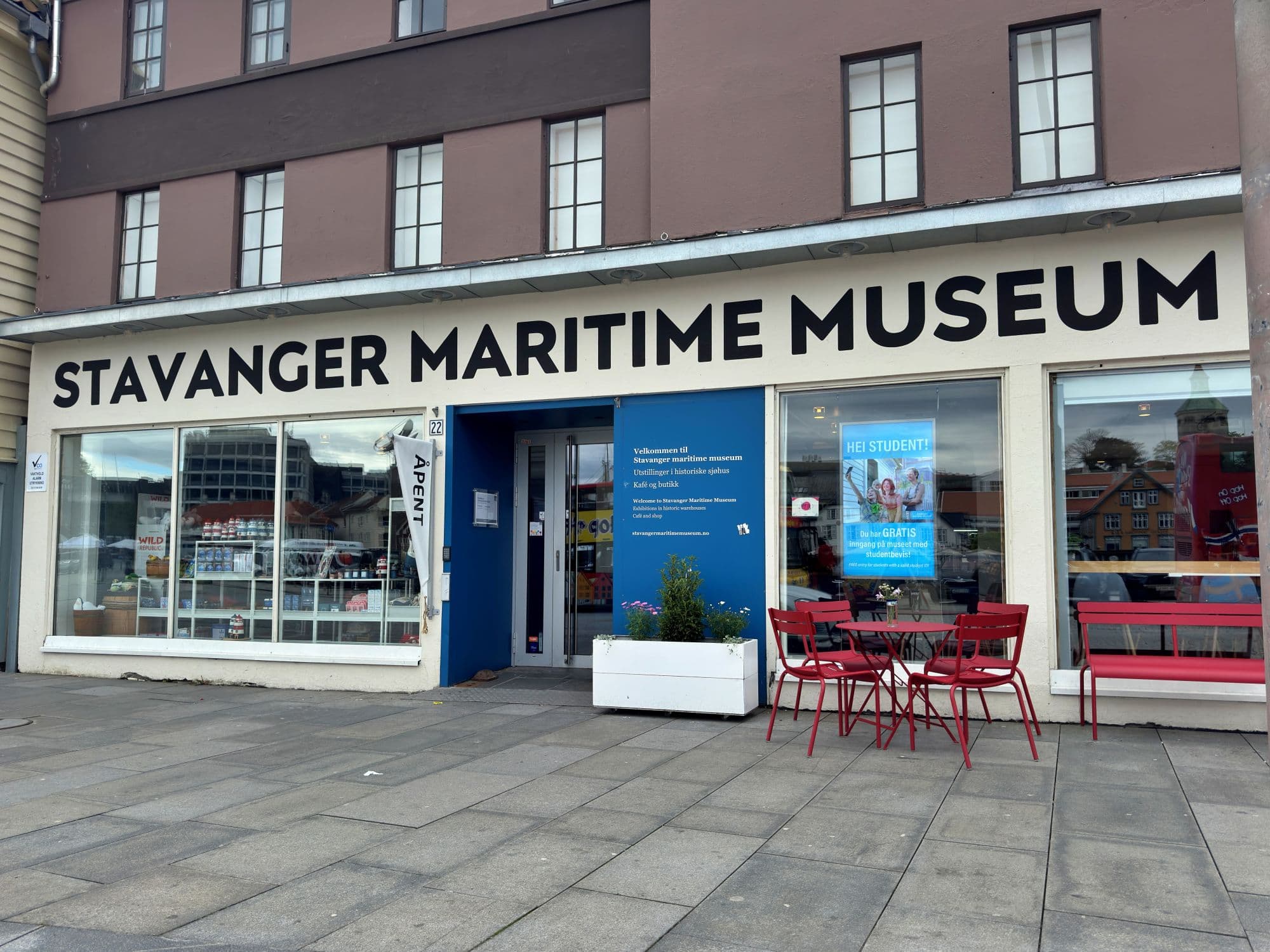
A practical tip is to get off at the final stop rather than returning all the way to the starting point, as Stavanger Maritime Museum is directly across the road.
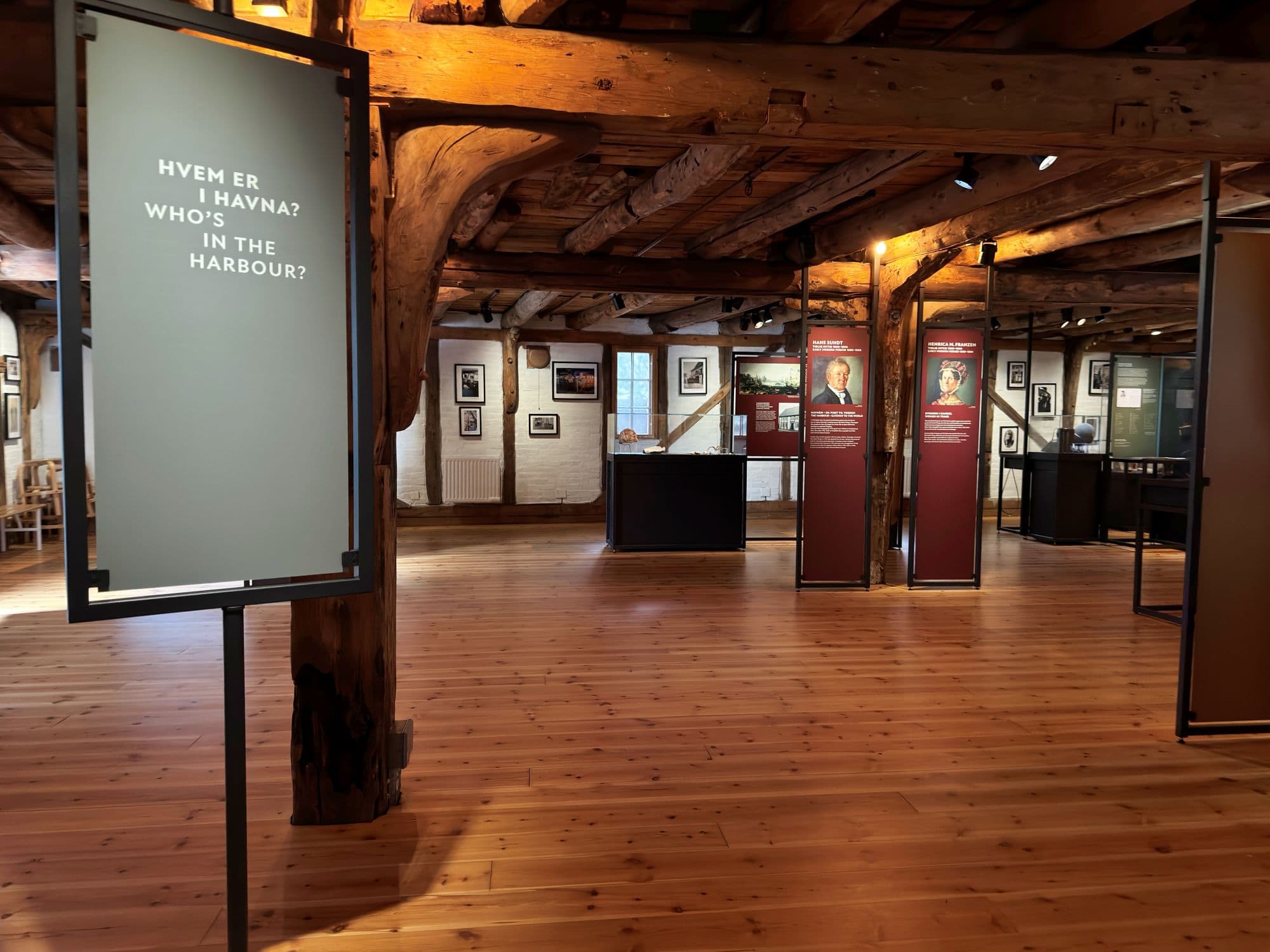
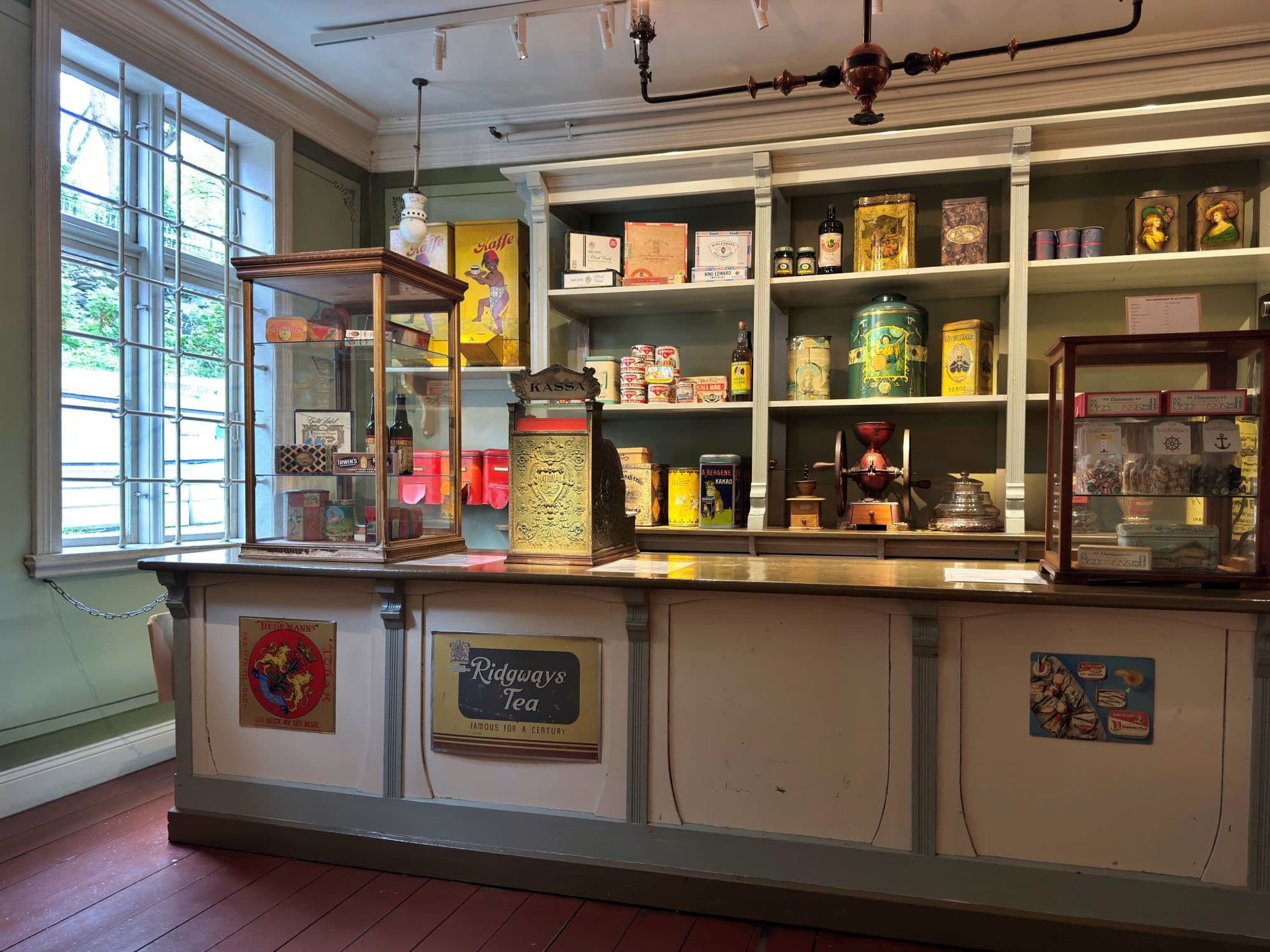
The museum is naturally at home in a city where the sea has been crucial to trade, work and identity. It is housed in an old merchant's premises, a combined residential and commercial building, and provides insight into around 100 years of maritime history, from sailing ships and steamships to urban development, trade and shipping. Old rooms, wooden floors, low ceilings and creaking floorboards give the place a distinctive atmosphere and make the building part of the exhibition itself.
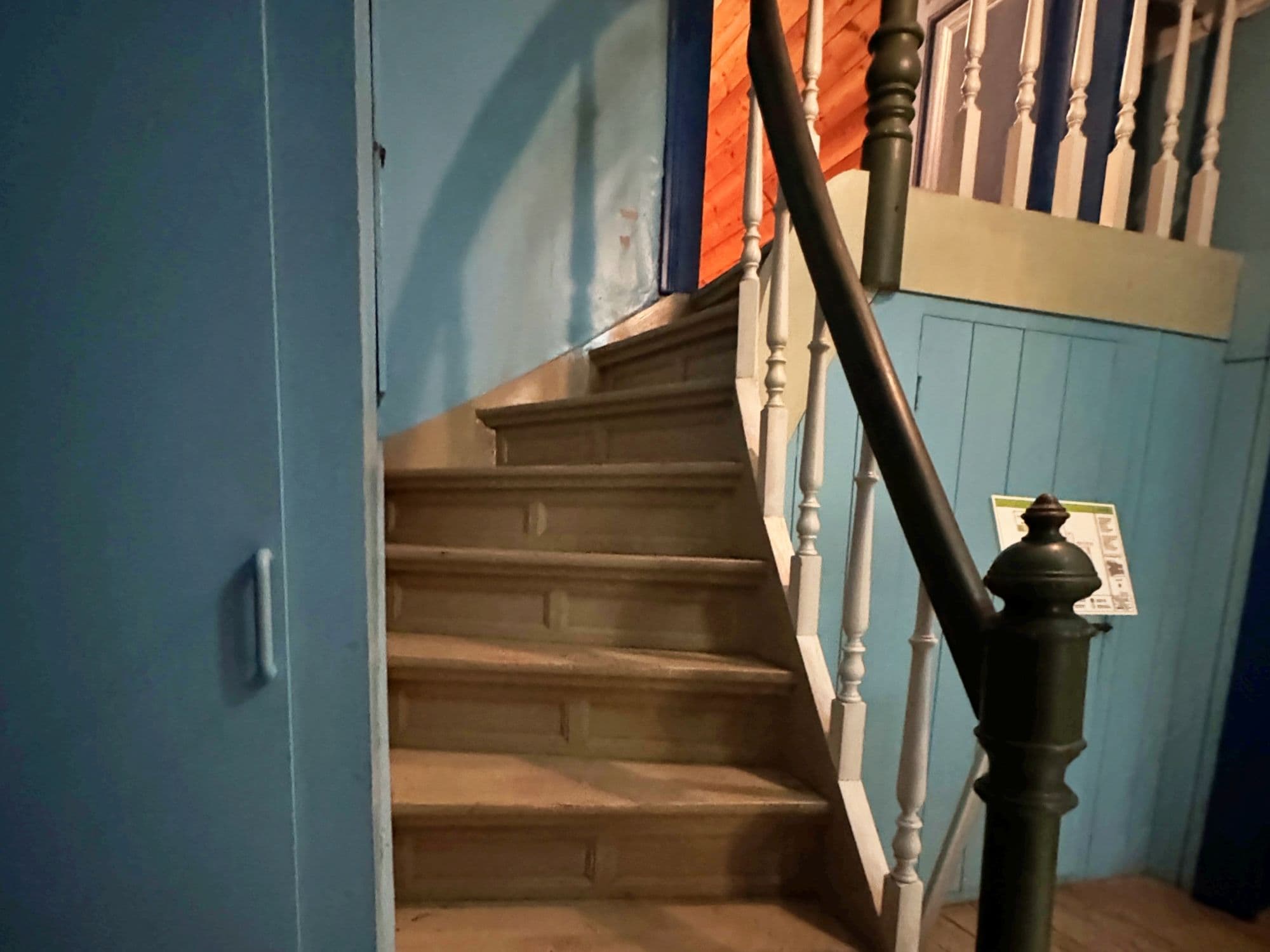
The exhibitions are spread across four floors and can be reached by lift, with the exception of the small sail loft at the very top, which is only accessible via nine steps with a sturdy handrail on one side. There are several places to rest along the way, and visitors should allow for around 500 metres of movement if they want to see the whole museum. A couple of small rooms have narrow entrances that can be difficult for wheelchairs and larger mobility aids, but most of the museum is accessible. There is also an accessible toilet.
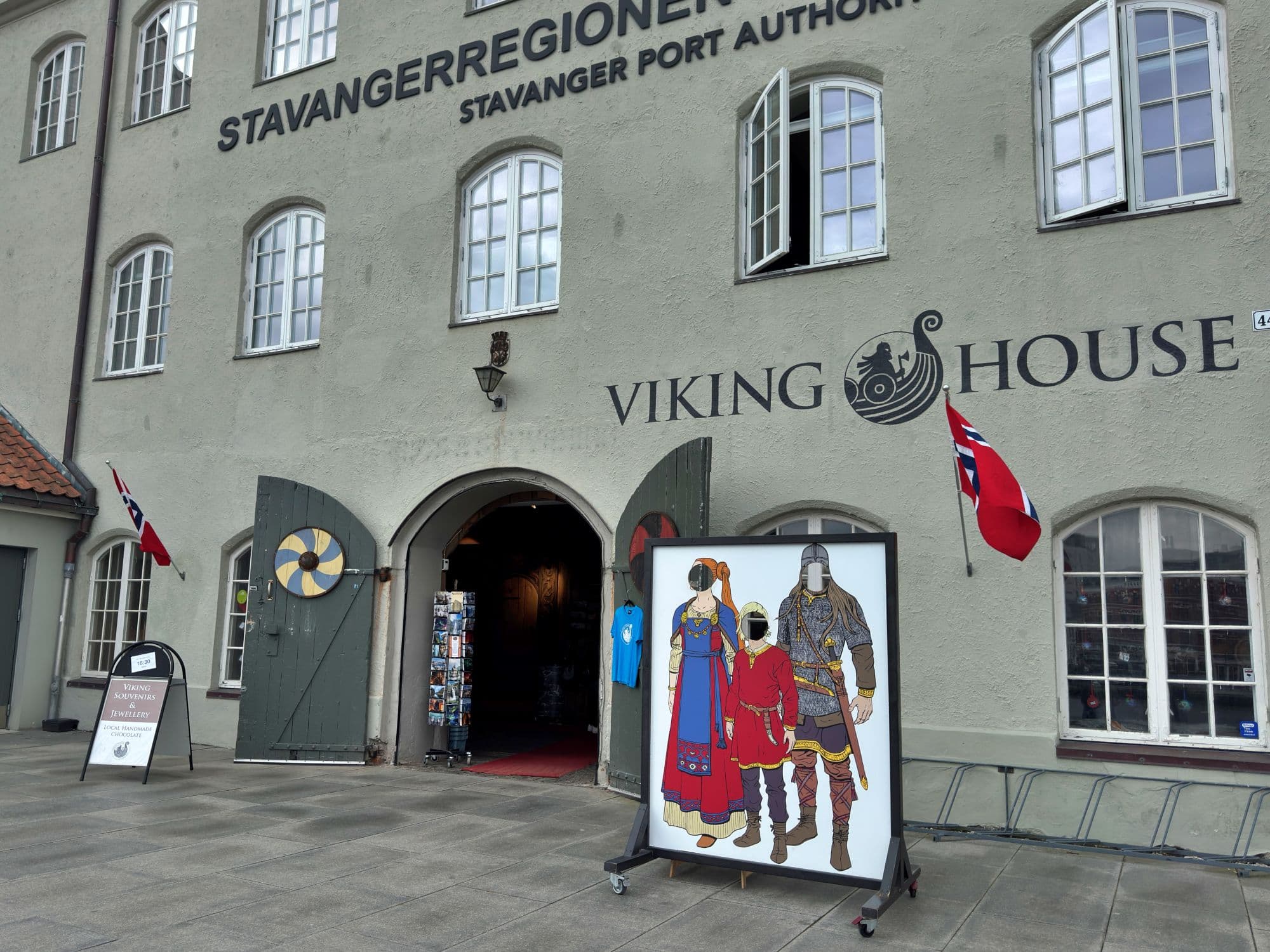
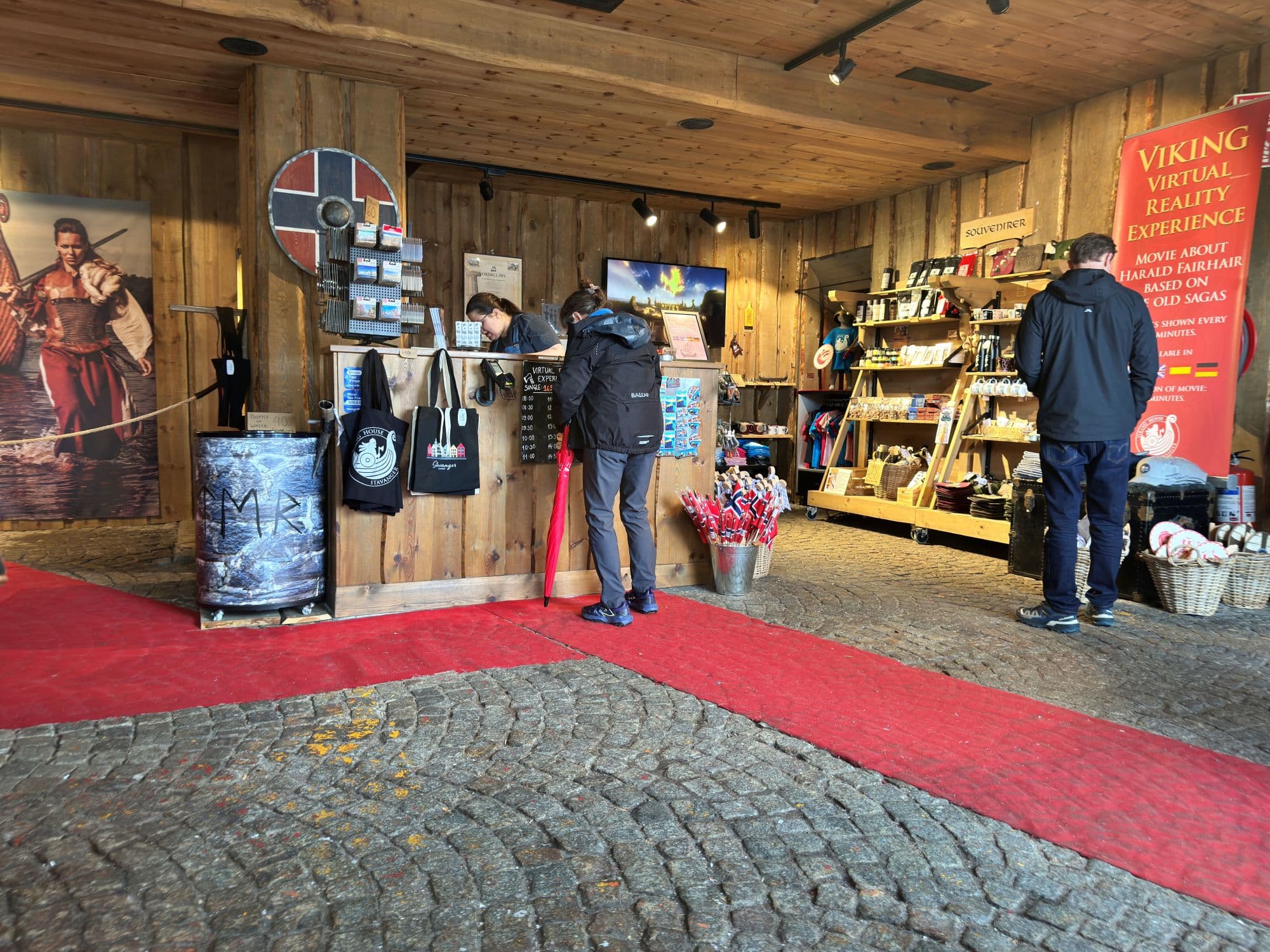
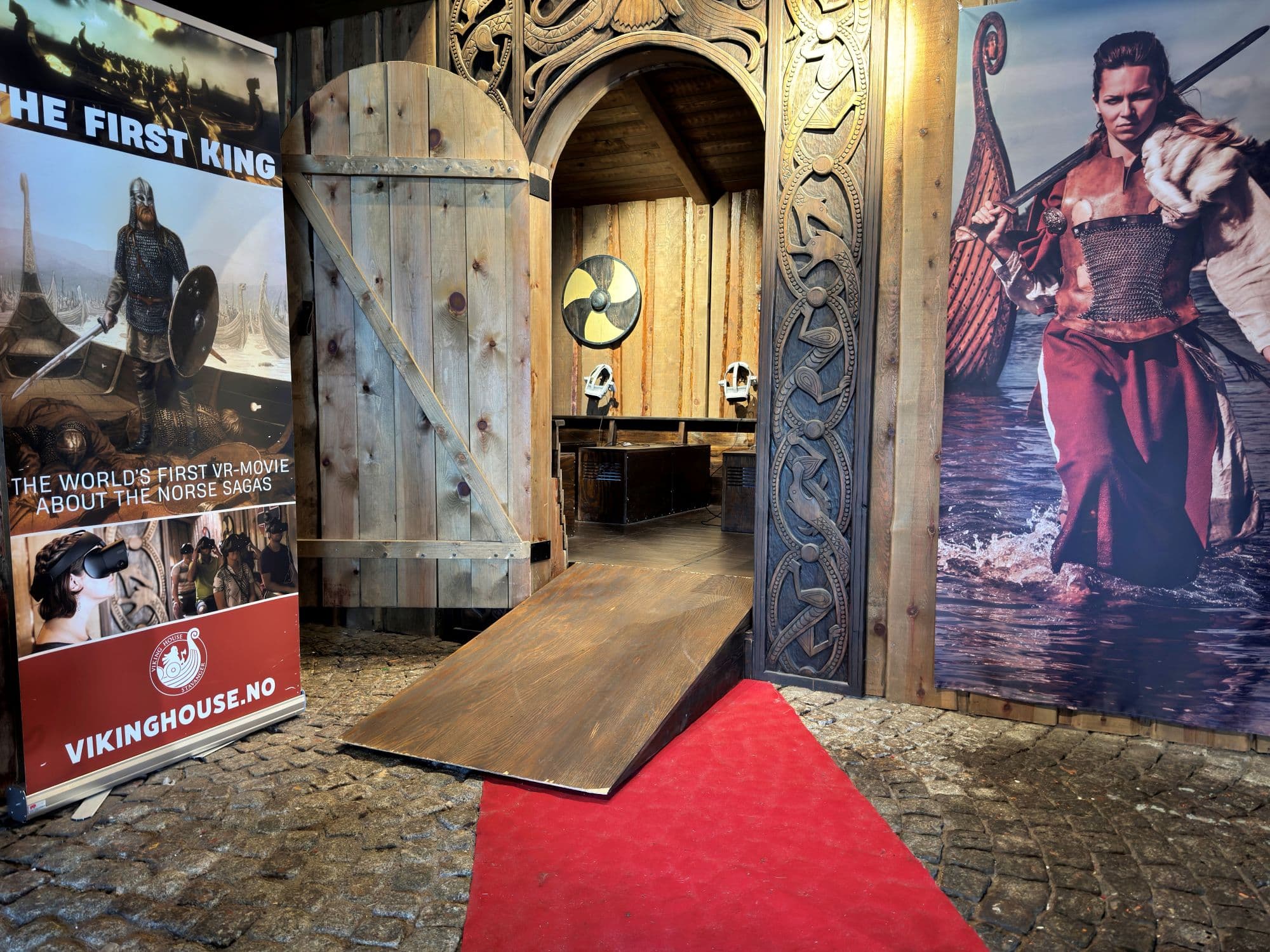
Around 180 metres from the museum, along Strandkaien and right next to the tourist information office, is Viking House. Viking history is presented through modern technology, and a 15-minute VR show about Harald Fairhair is shown every half hour, with space for one wheelchair per show. Access to the VR room itself is via two steps or a ramp that is put in place when needed.
The building is small, with ticket sales and a souvenir shop only a few metres from the experience. The floor is cobbled, and although the differences in level between the stones are small, the surface is not completely even. Behind Viking House, in Nedre Strandgate, there are several public parking spaces.
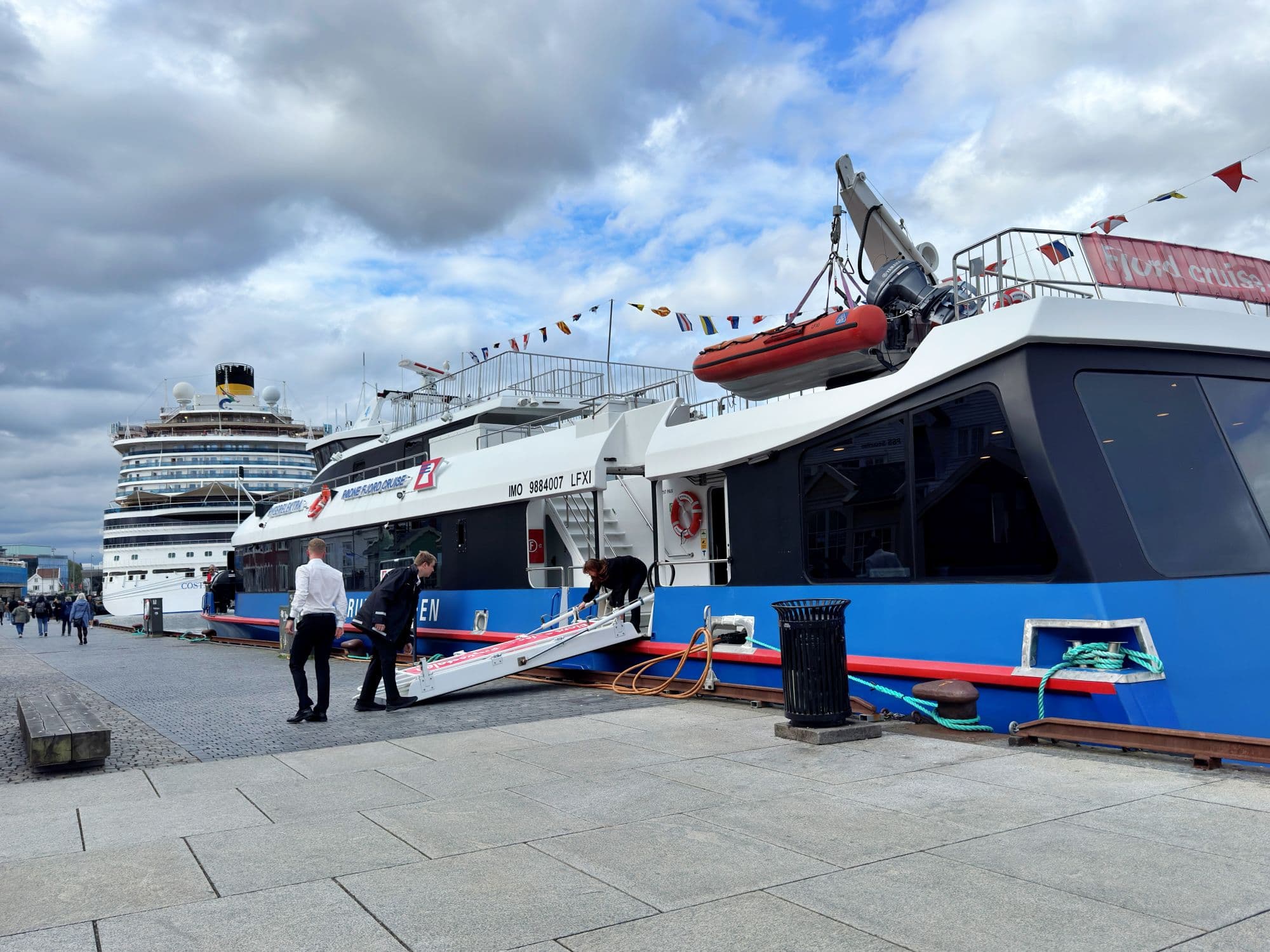
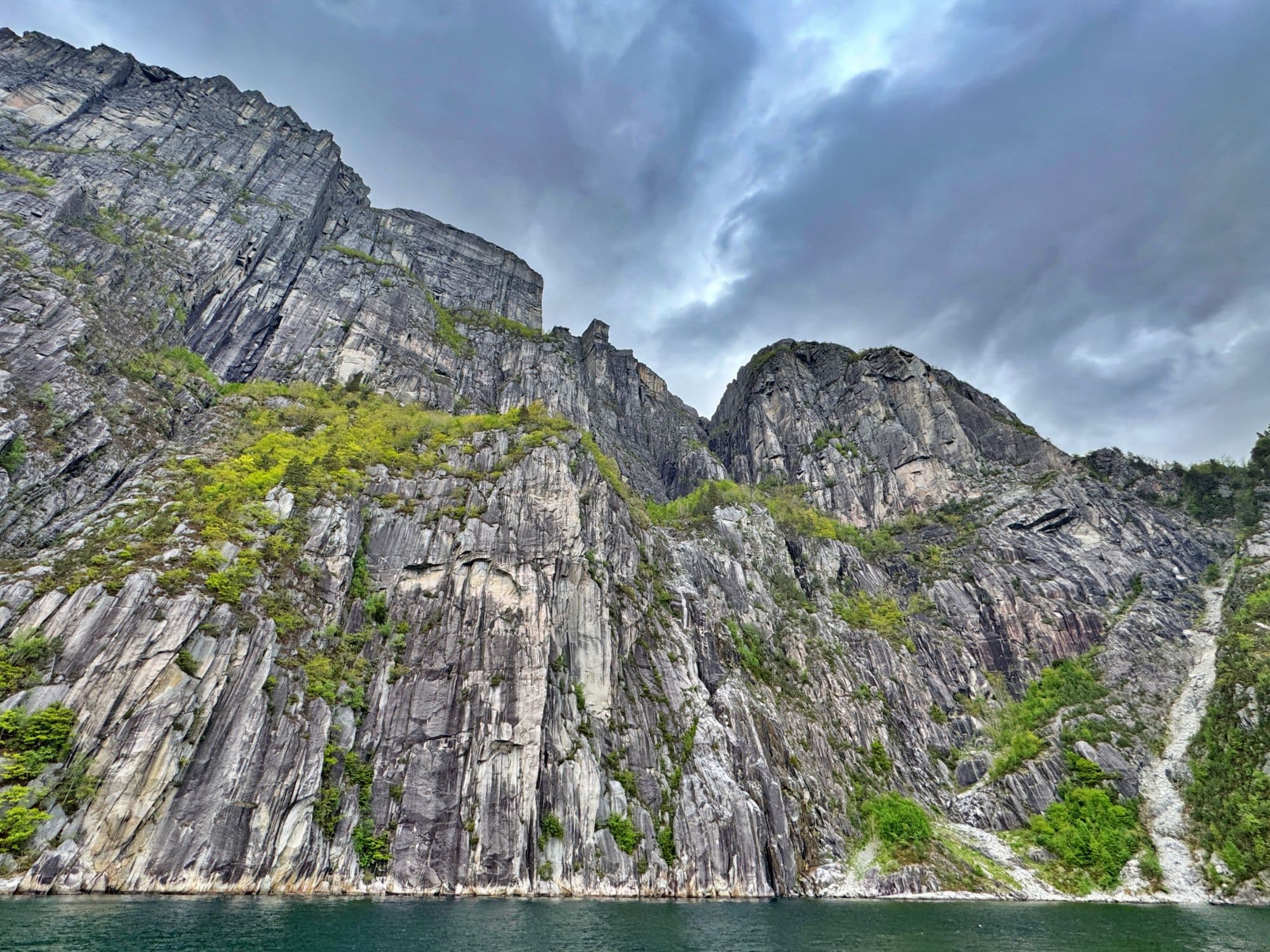
One of the major highlights of Stavanger is the opportunity to get out onto the fjord. A boat trip on the Lysefjord towards Preikestolen with Rødne Fjord Cruise offers a wonderful nature experience in which the fjord landscape takes centre stage. From the water, the mountainsides rise steeply from the fjord, with waterfalls, rock formations and views towards the iconic plateau high above.
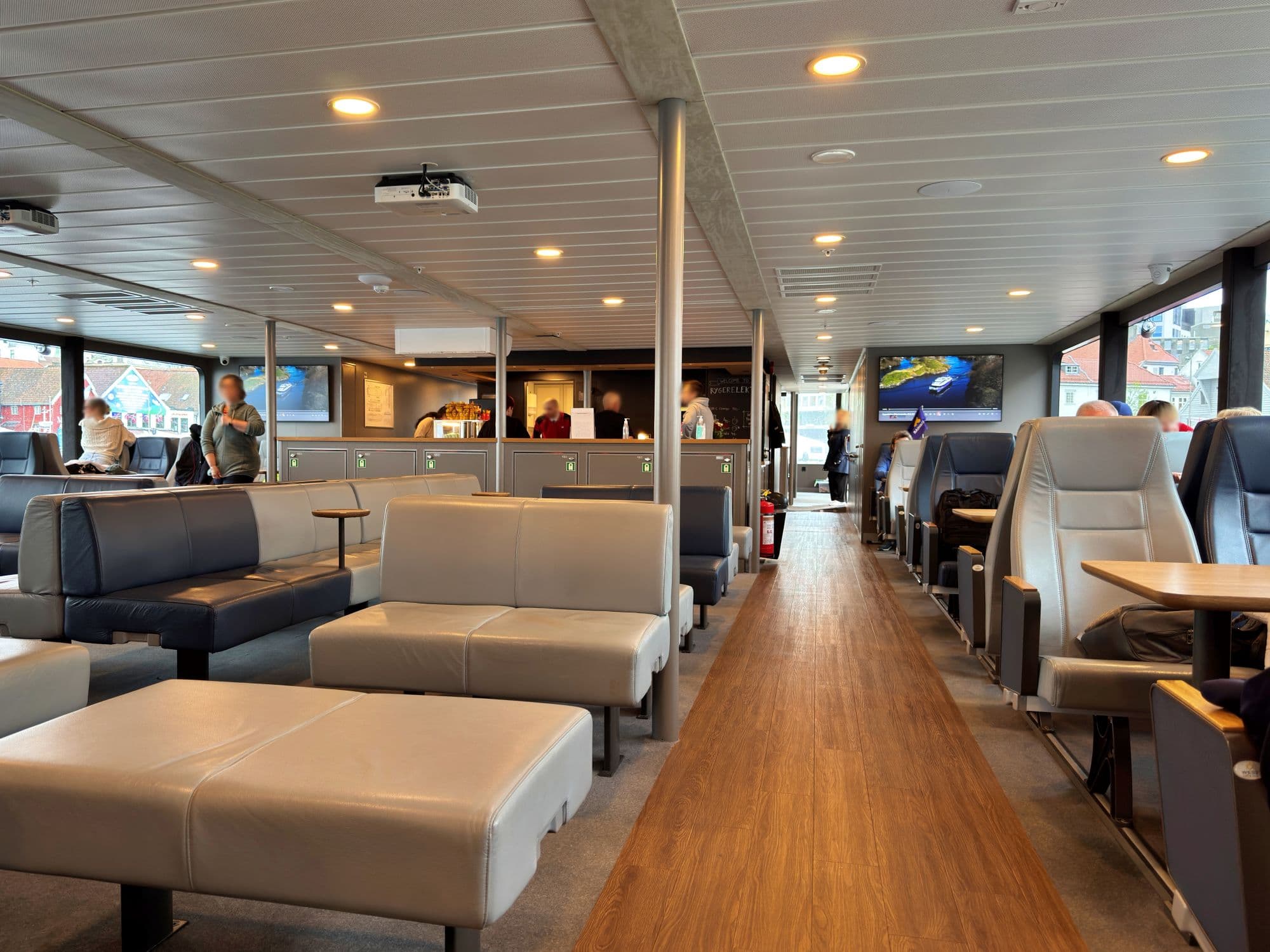
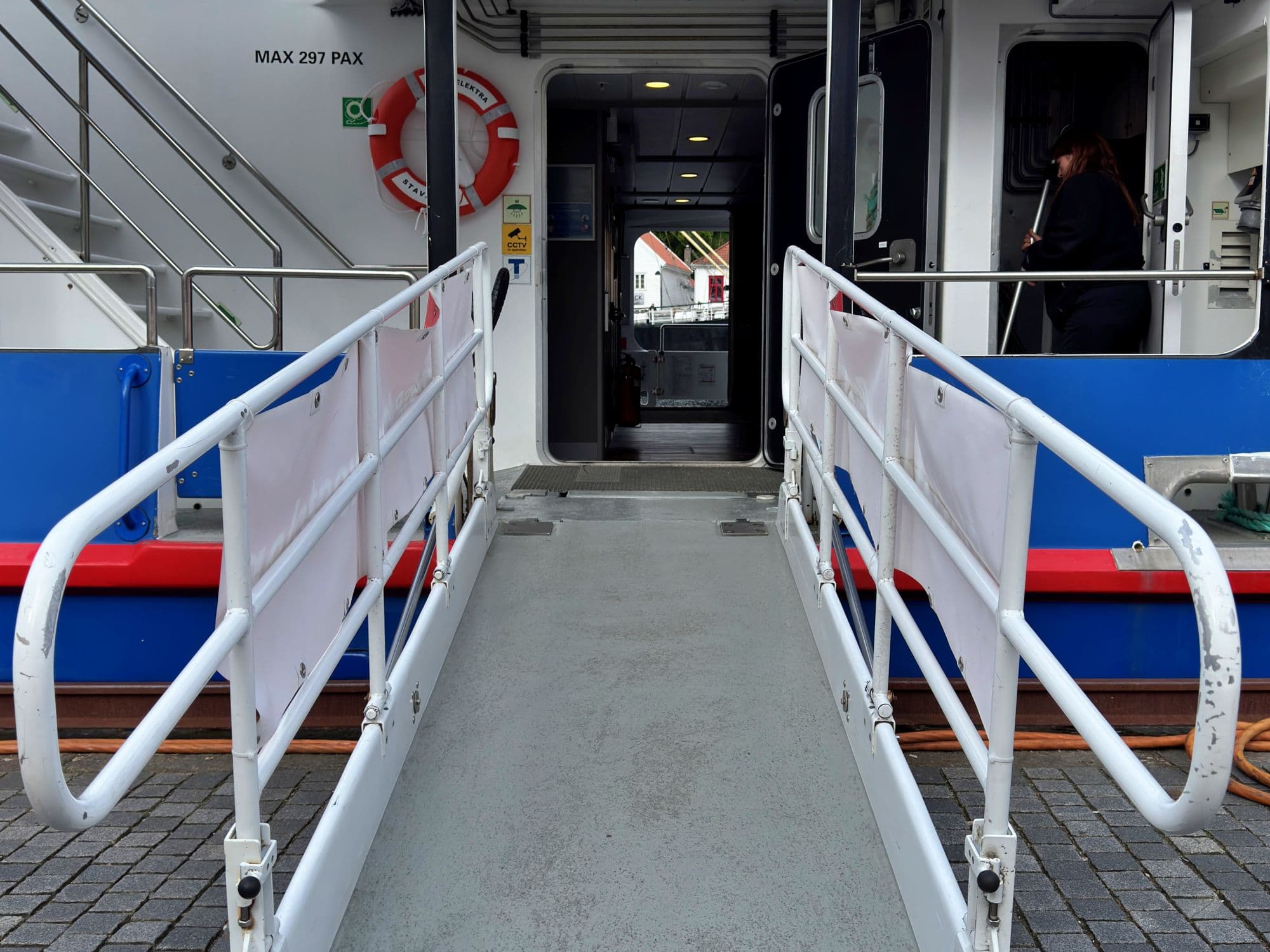
The trip takes around three hours, and food and drinks are available to buy on board. The boat has a ramp for boarding, an accessible toilet and plenty of room to move around on the main deck, with very low thresholds leading out to the deck at the front of the boat.
To reach the upper level, there are 11 steep steps with handrails, but screens inside the boat show images from the camera at the front, allowing passengers to follow the journey without having to move in and out all the time.
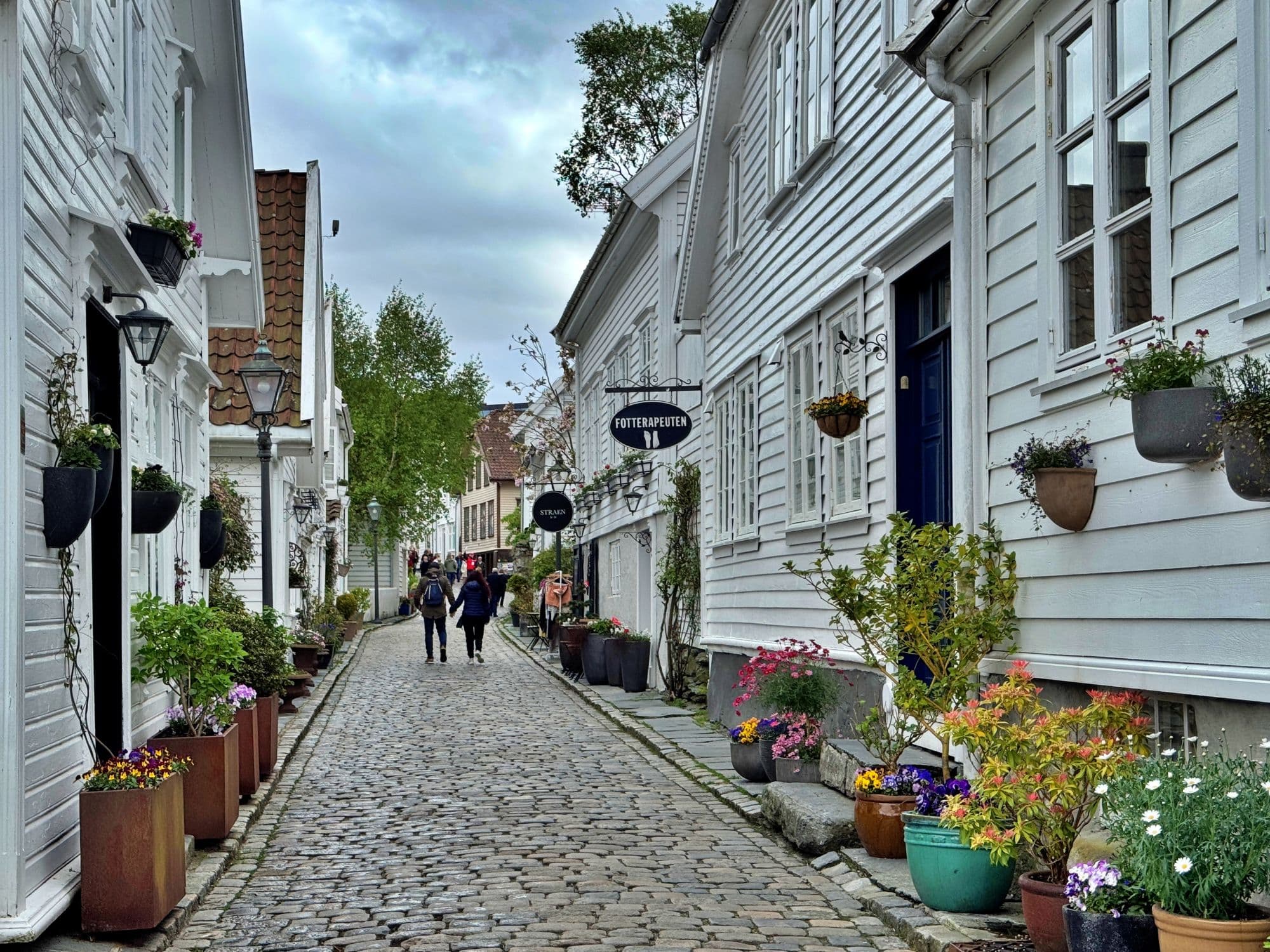
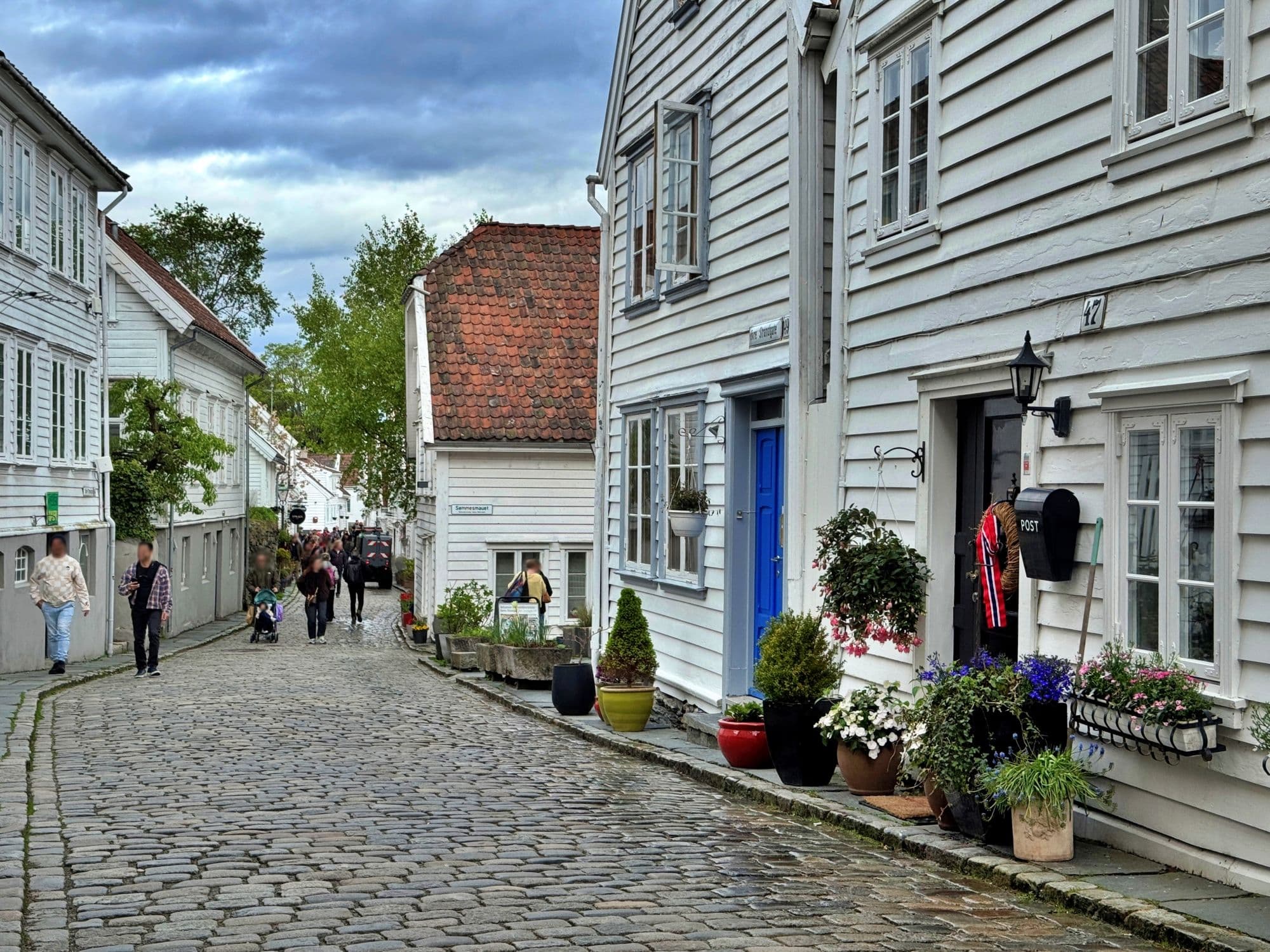
Along Strandkaien and in the streets behind it lies Old Stavanger, with Øvre Strandgate among its best-known parts. Here visitors will find white-painted wooden houses, cobbled streets, small gardens and a quieter atmosphere than in the busiest parts of the city centre.
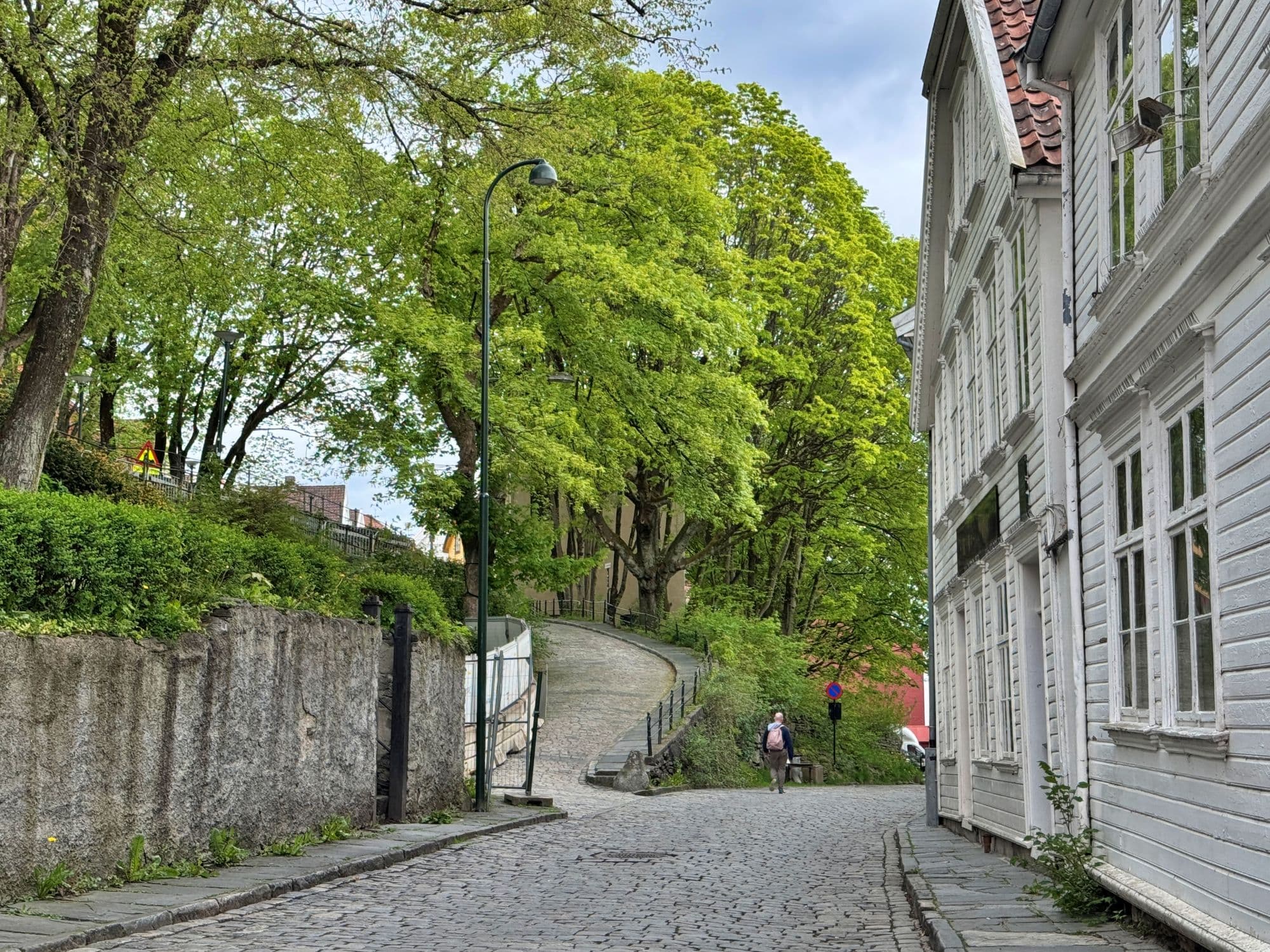
Øvre Strandgate sits higher than the harbour and has cobblestones almost all the way, but the street itself is around 500 metres long and relatively flat once visitors have reached it.
From Nedre Strandgate, a step-free but steep paved slope leads up to the area. For a gentler route, it may be better to enter from the cathedral side, where the distance is longer, but the gradient is less steep.
With an accessible parking permit, it may also be possible to find residential zone parking above Øvre Strandgate, although this usually requires some searching by car. If the cobblestones prove too difficult, one advantage of Old Stavanger is that the atmosphere is immediate, and visitors do not need to move far to get a clear sense of the place.
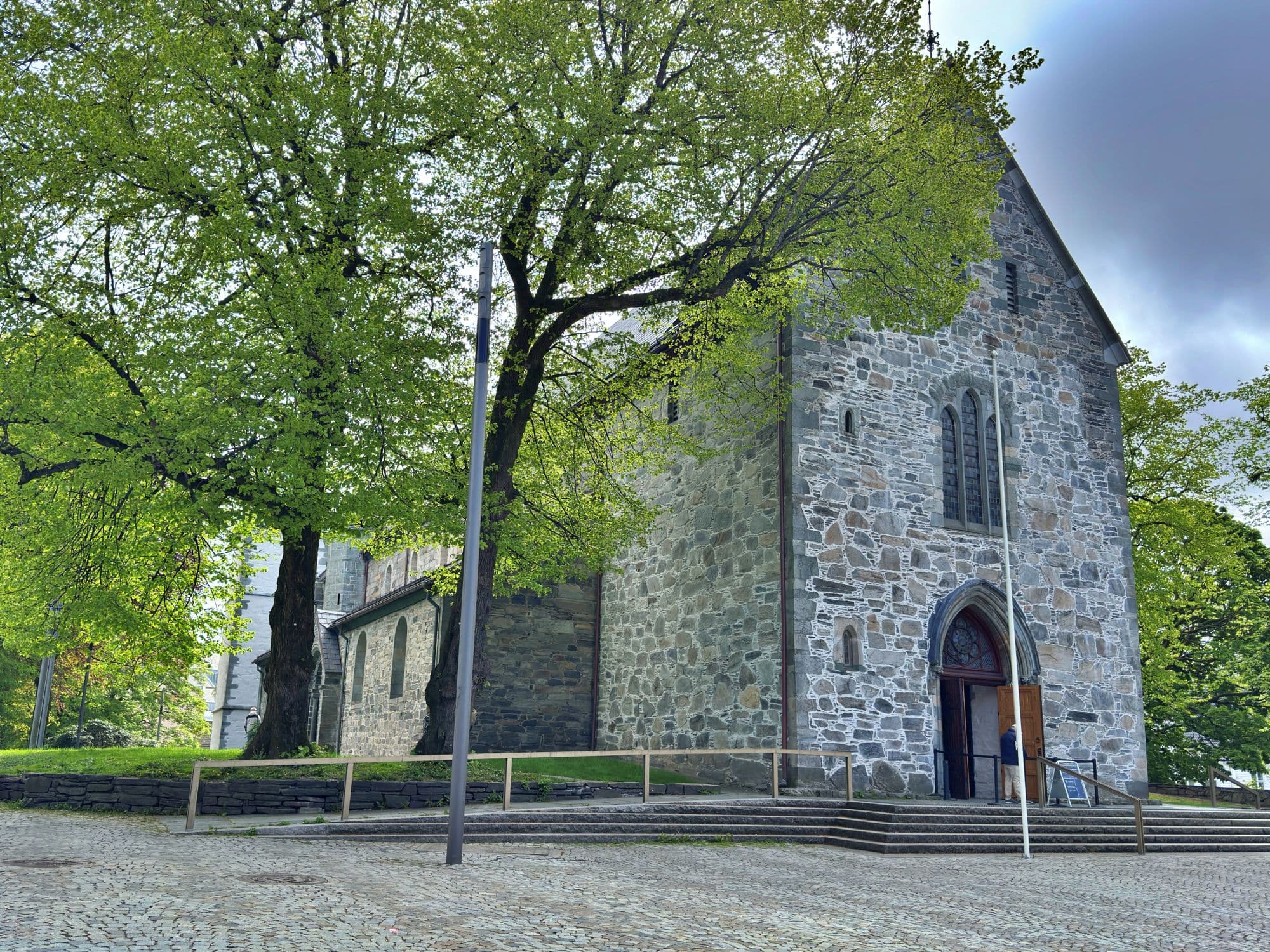
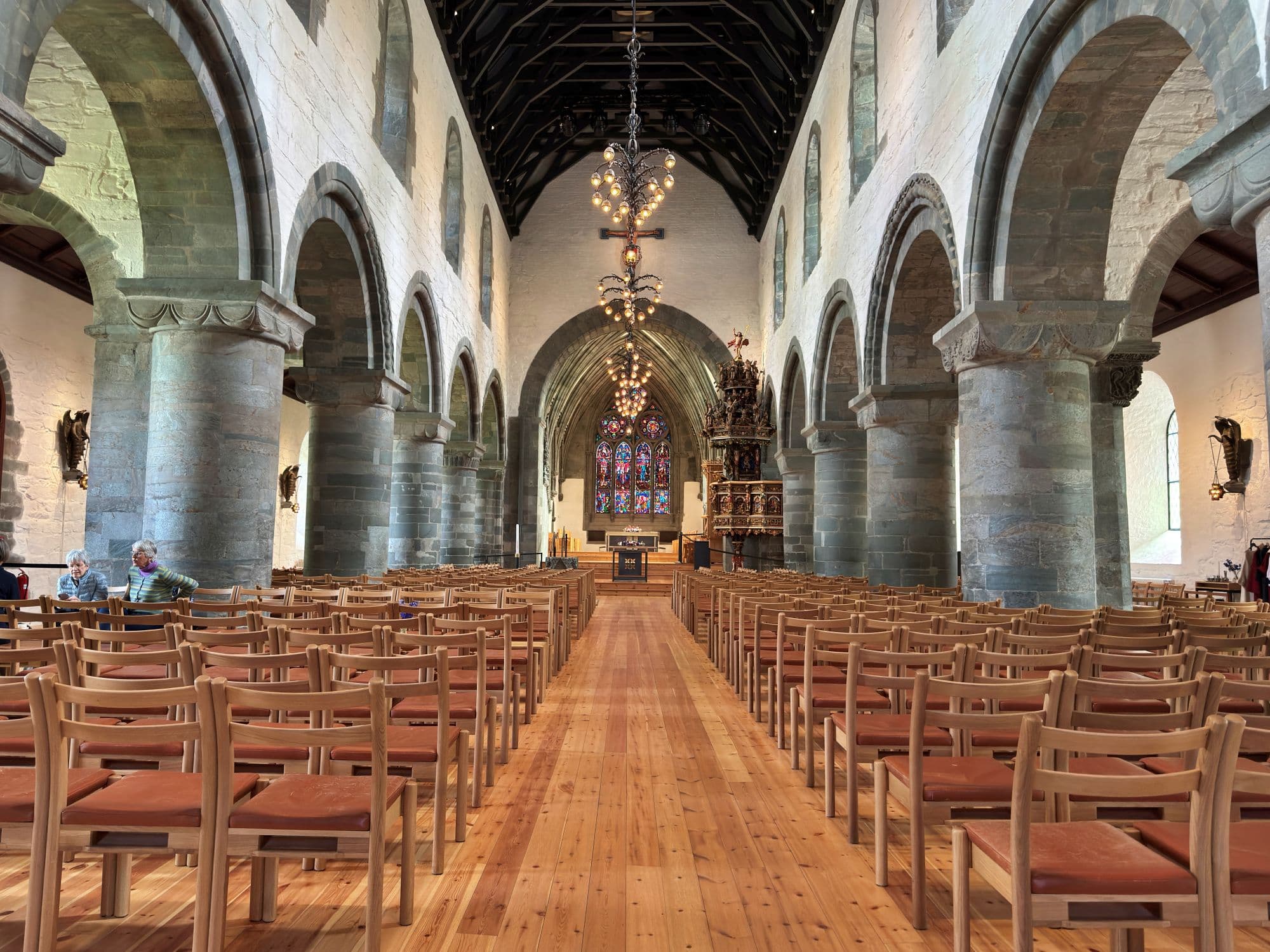
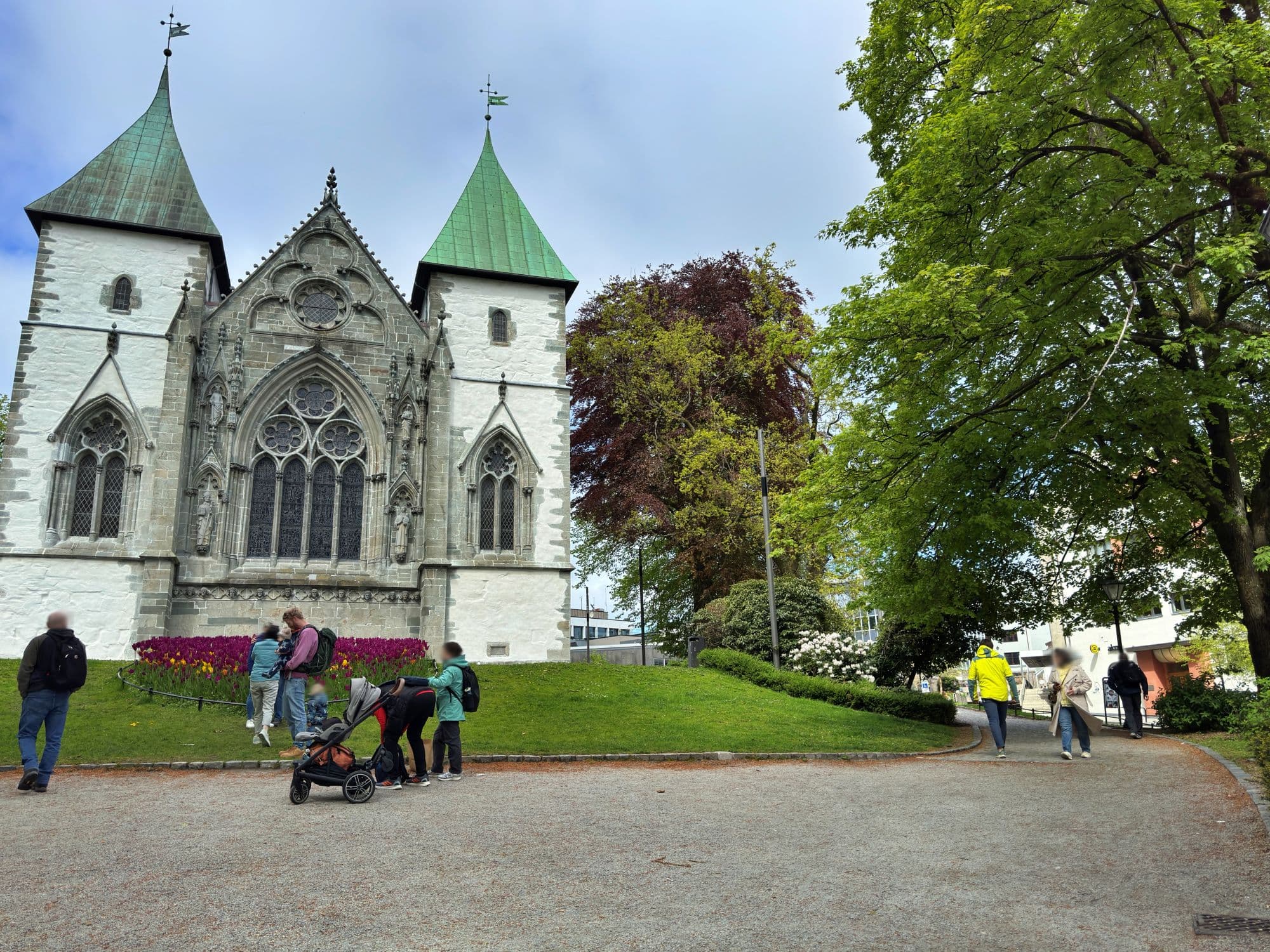
Stavanger Cathedral is one of the city's most central historic buildings and a beautiful church to include on a route through the centre. The church has automatic door openers and solid platform lifts that provide access to the different levels inside the building. The most striking side of the church is at the back and is reached via a short slope with a firm dirt surface and a thin layer of gravel.
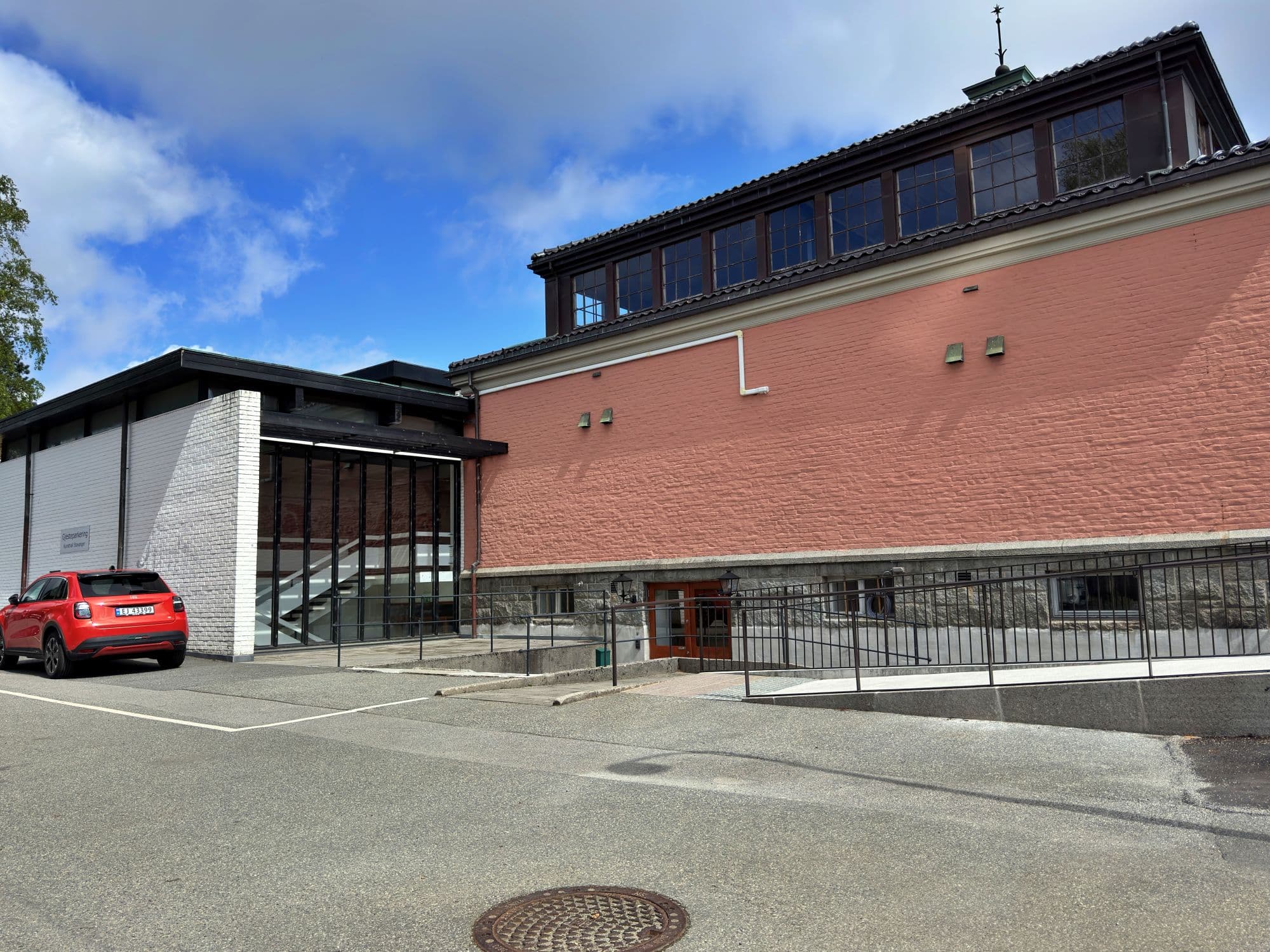
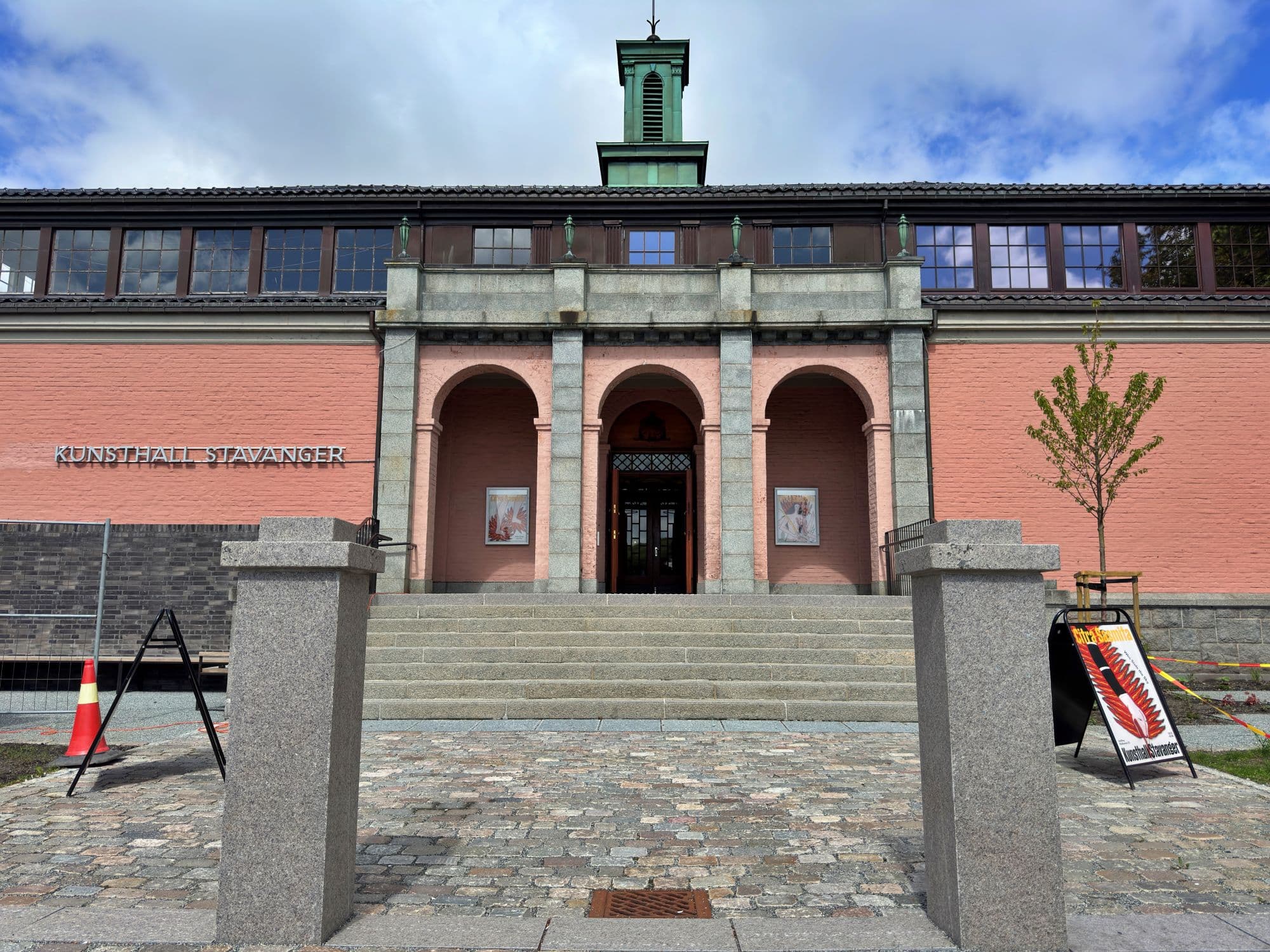
Kunsthall Stavanger offers a more contemporary cultural experience, with changing exhibitions. The building is small and easy to navigate, and the exhibition is on one level, spread across three step-free rooms. To see the whole exhibition, visitors should allow for around 350 metres of movement.
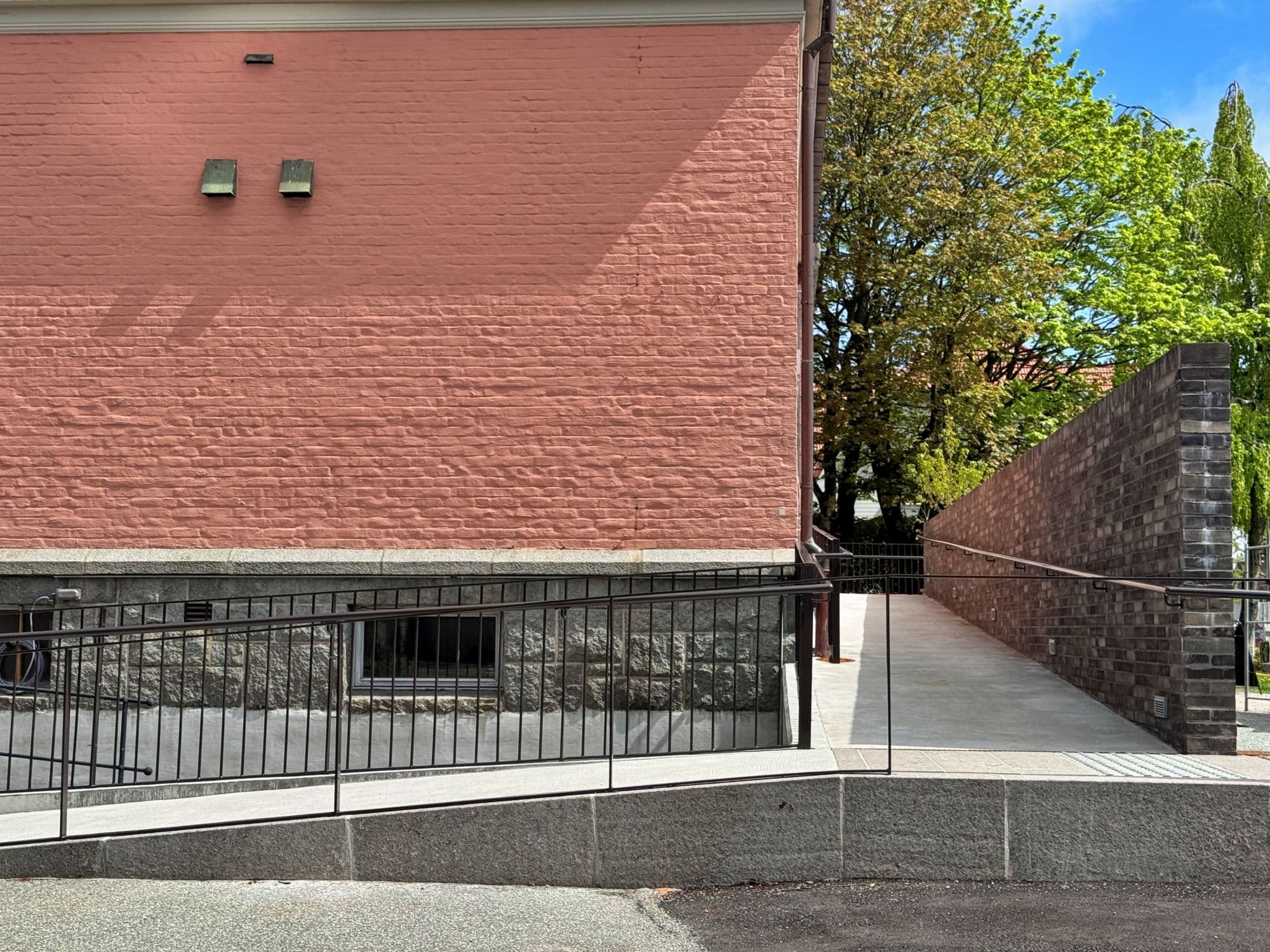
A ramp has recently been installed from the parking area at the side of the building, and if the visitor parking is full, there is a residential zone on the other side that can be used by vehicles displaying an accessible parking permit. The art centre has an accessible toilet in the basement, reached by a stairlift, while the other toilets are accessed by stairs.
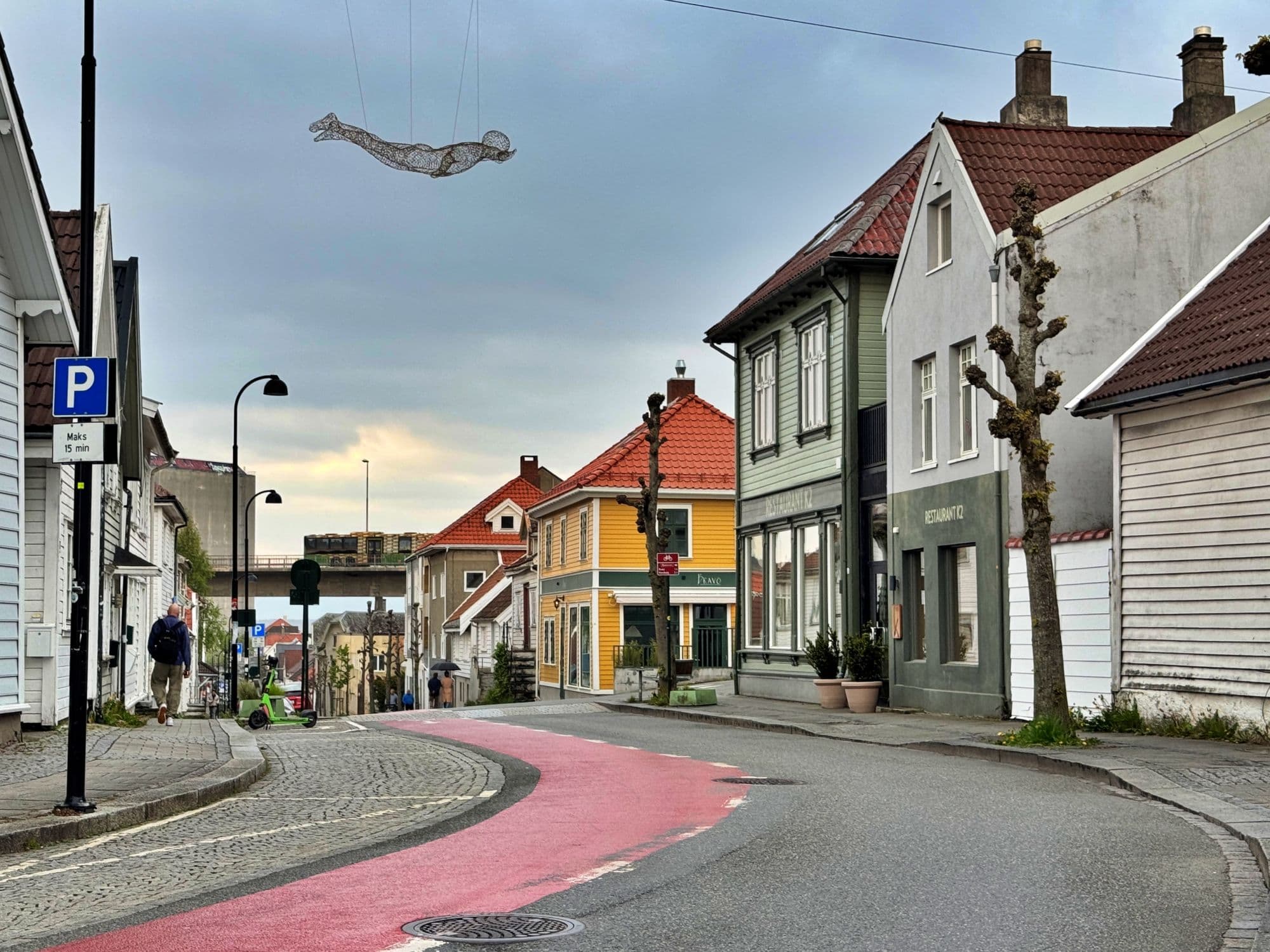
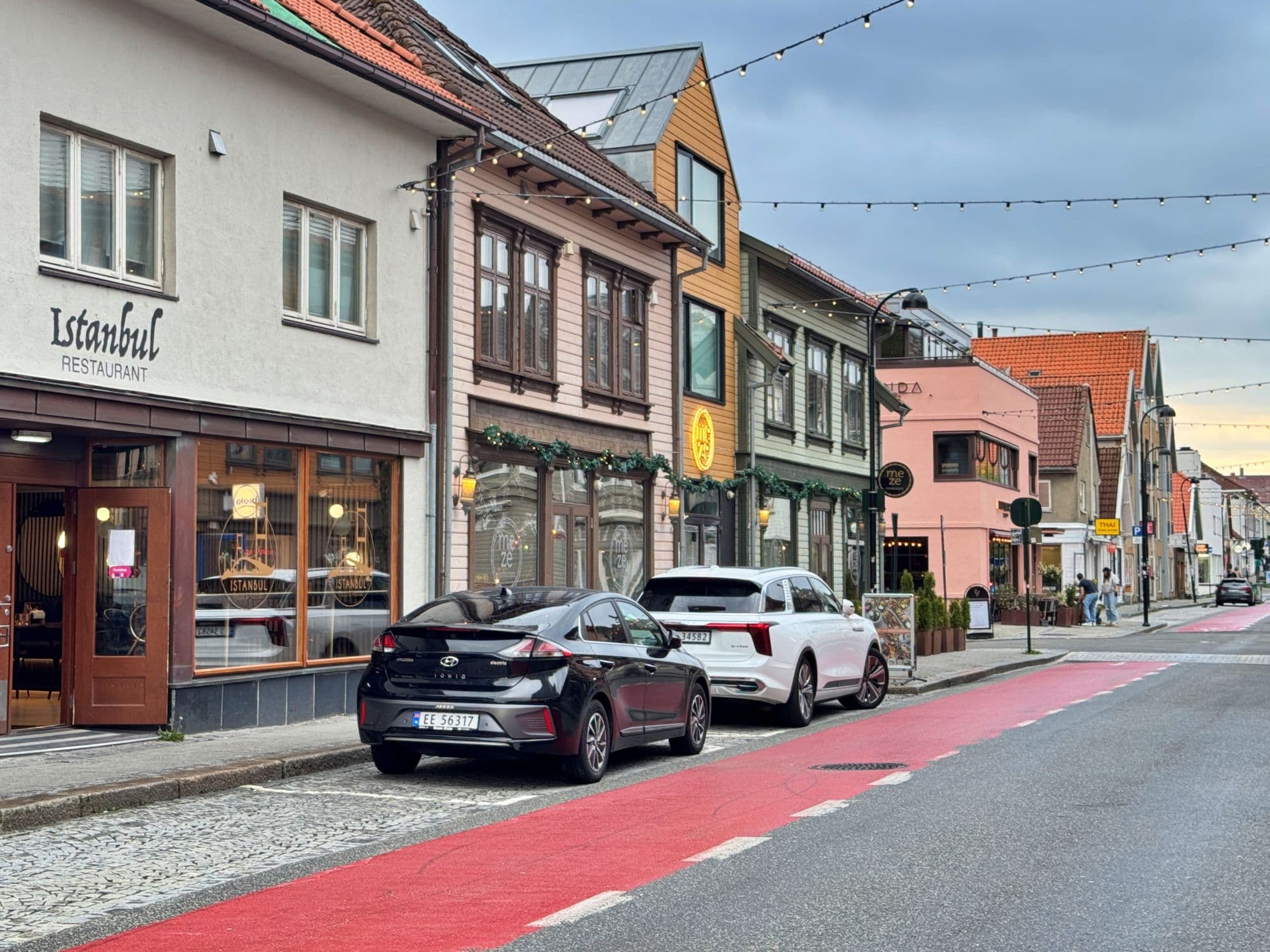
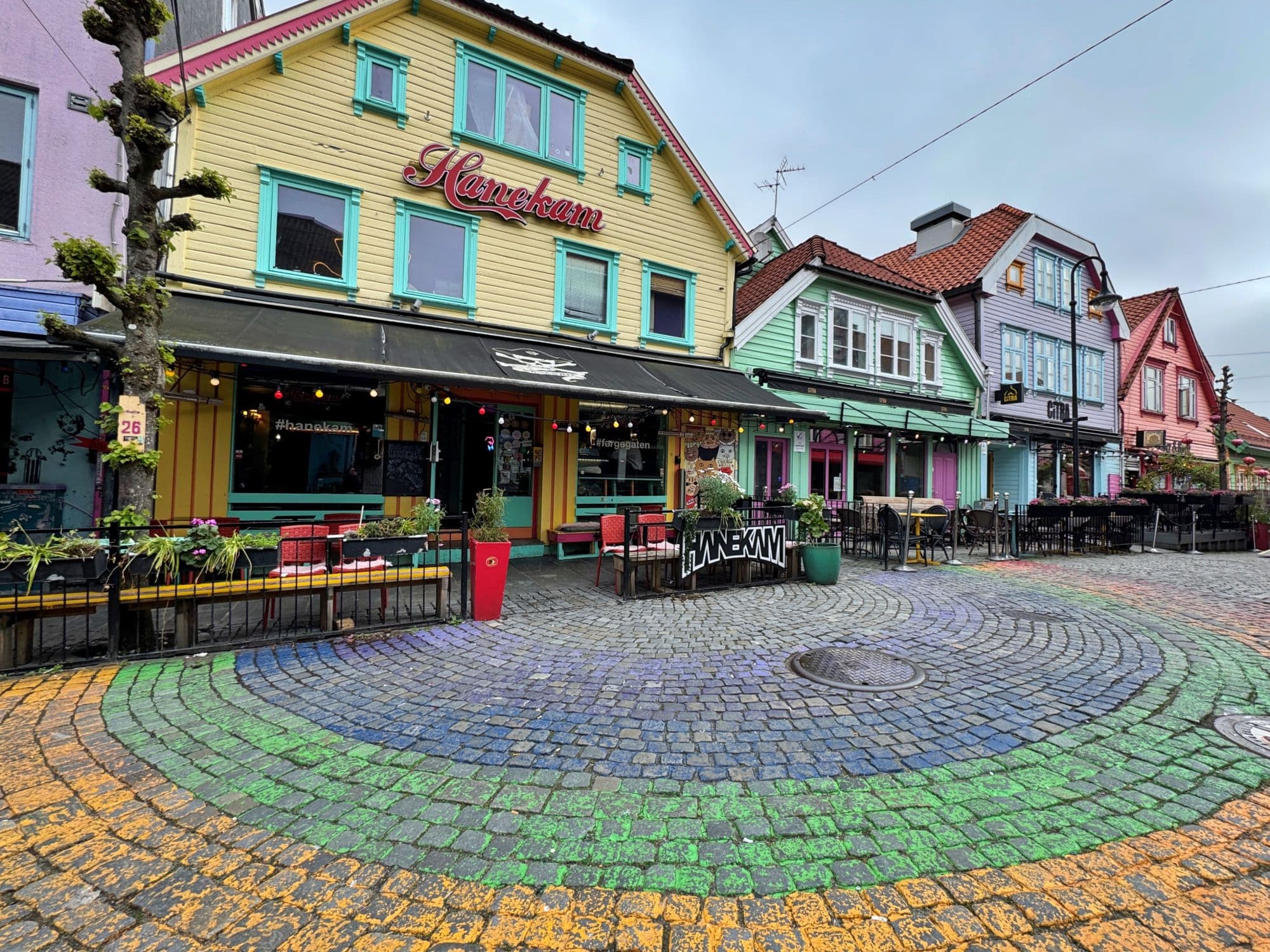
Fargegaten, or Øvre Holmegate, clearly stands apart from the white wooden buildings of Old Stavanger with its colourful façades, cafés, and bars.
The colourful section is around 100 metres long, and the surface consists of worn cobblestones where differences in level have been well evened out. From Østervåg, the street starts with a steep incline before levelling out, so for some people it may be easier to enter from Kirkegata. This gives access to the flat section where most of the restaurants and shops are located. Many of the venues have step-free entrances or ramps, but not all of them.
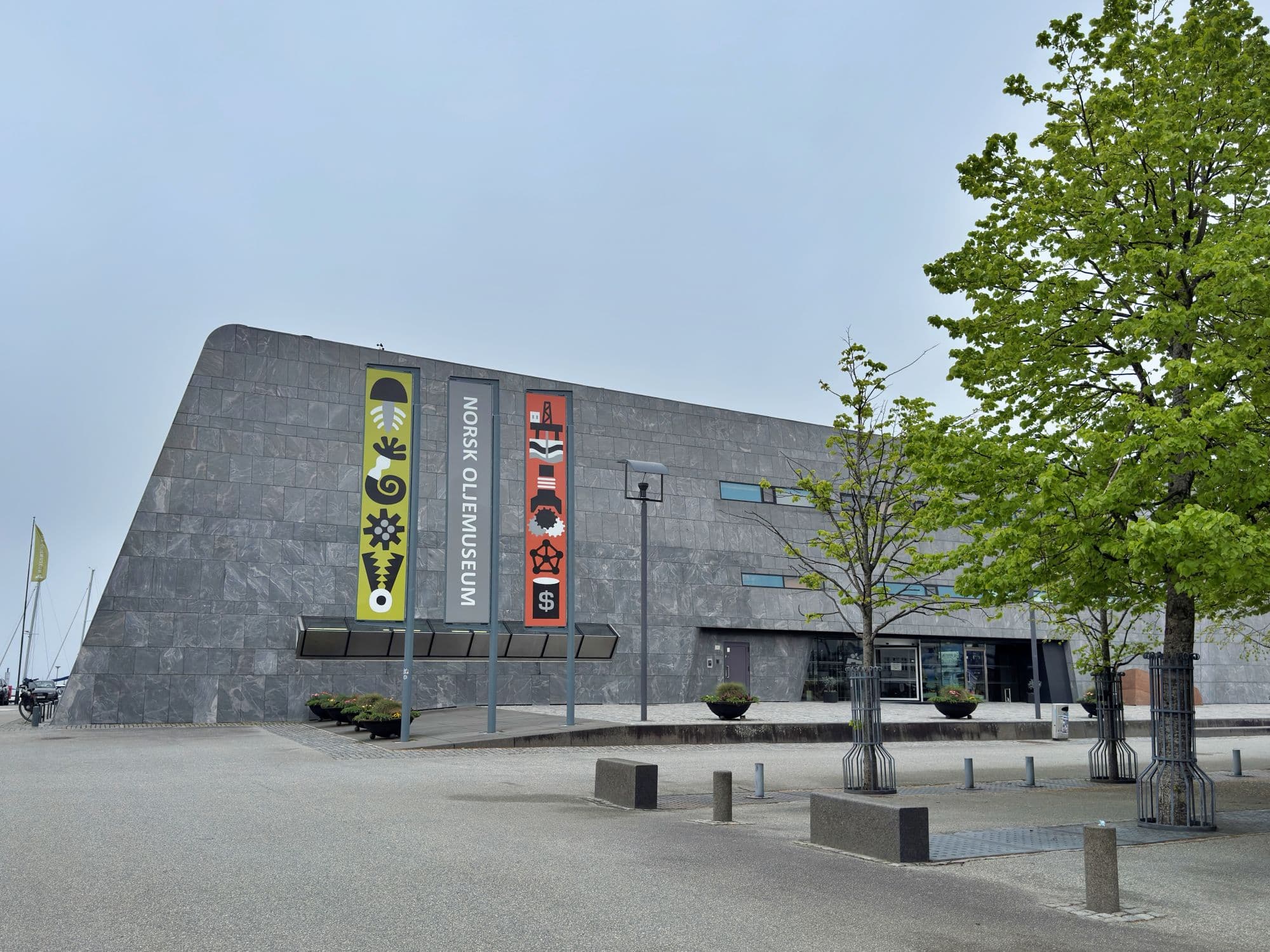
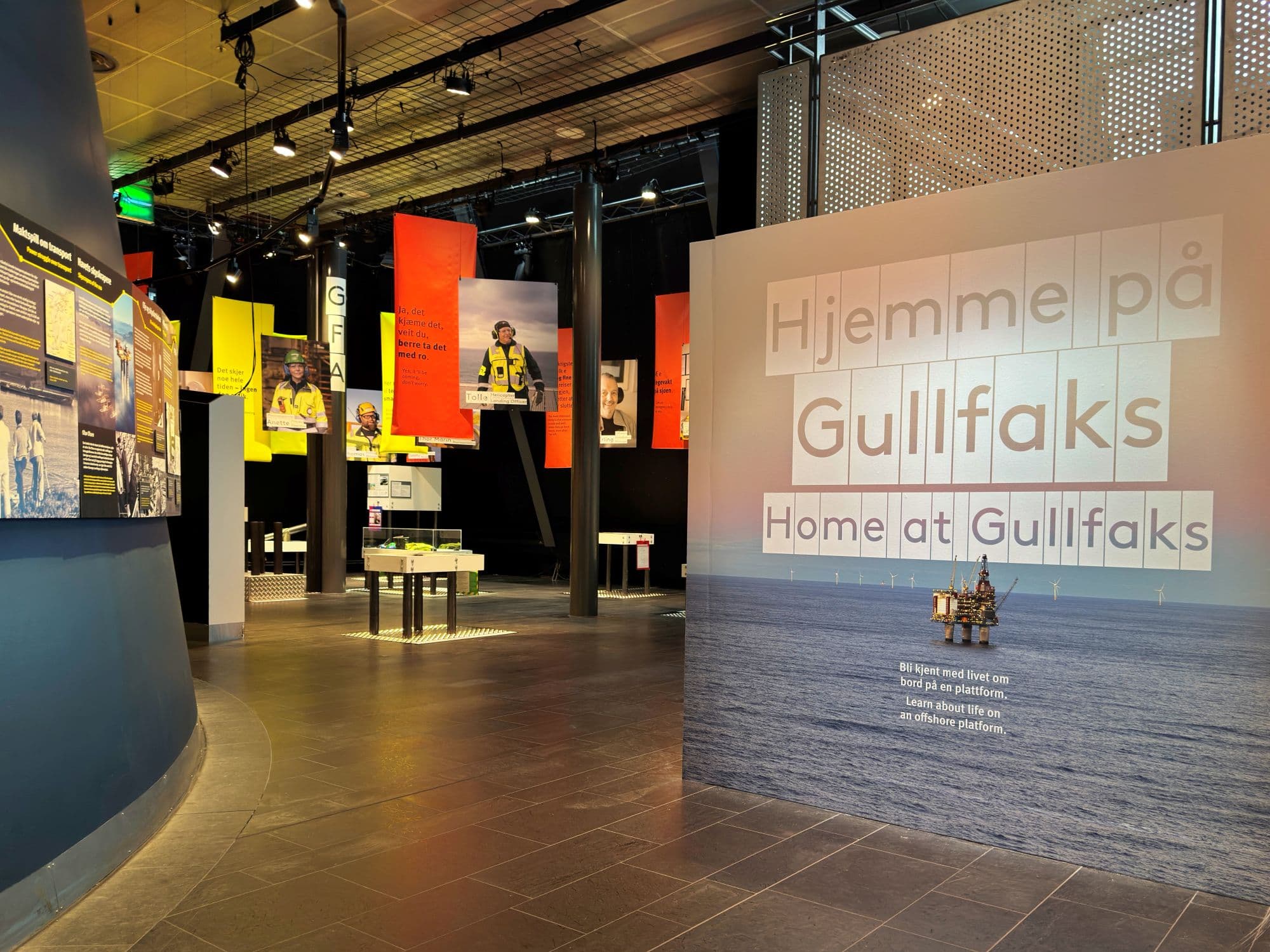
Around 160 metres downhill from Fargegaten is the Norwegian Petroleum Museum, one of Stavanger's most important attractions. The museum offers an engaging introduction to petroleum history and combines industrial history, technology, social development and energy in a way that shows the impact the industry has had on Stavanger, Norway and everyday life.
The building is located by the harbour, and on the other side of the road there are two accessible parking spaces around 75 metres from the entrance. The visit begins with a few metres across cobblestones before entering a museum that is otherwise largely step-free.
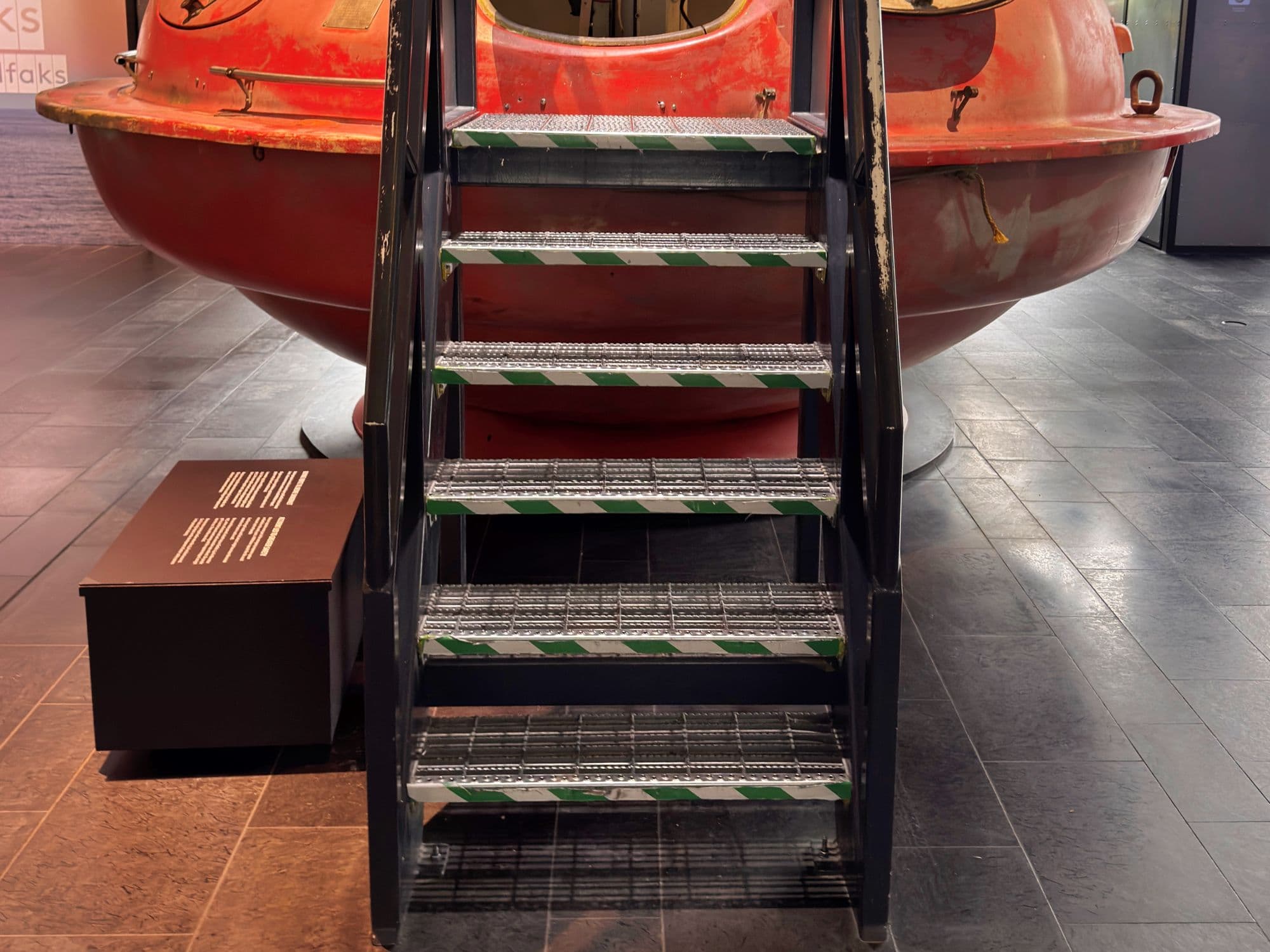
There is a lift between the lower and upper levels, but two installations on the lower level have six steps to climb in order to look inside. To see the whole museum, visitors should allow for around 850 metres of movement. There are more places to rest than first appears, although some are slightly hidden, while the three smaller sections on the upper level could benefit from more seating.
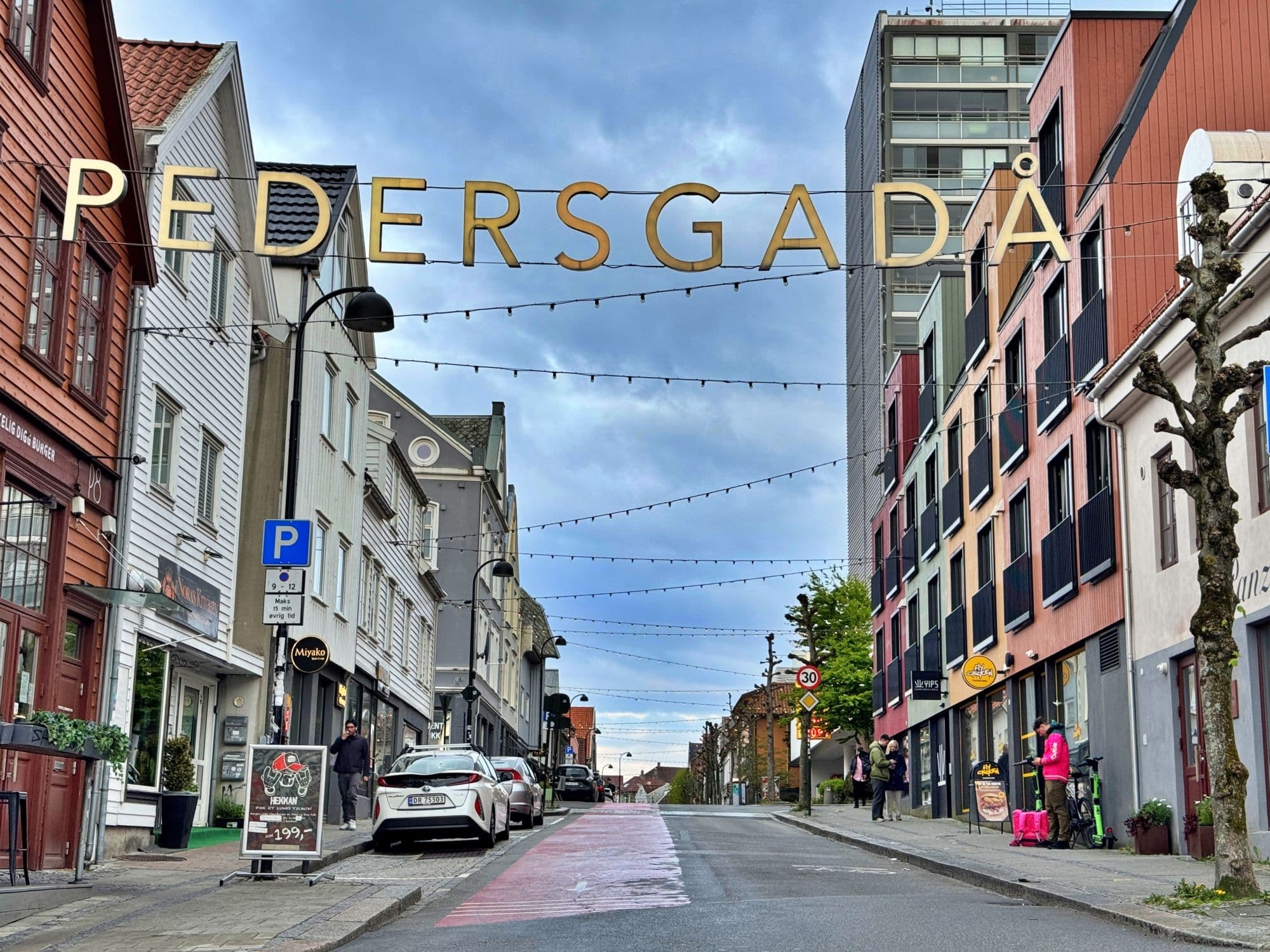
Stavanger is also known for its great food scene, and Pedersgata has developed into one of the city's most exciting food districts, with international flavours, local operators and informal places to eat.
From Nytorget, the street begins with a short but somewhat steep uphill section, and the same applies to several of the side streets where public parking is often available. Fortunately, the street quickly levels out, and the food district itself extends for around 500 metres with generally good, wide pavements.
Many of the restaurants have step-free entrances or ramps, but not all, so it can be useful to check in advance. The area is popular, and booking a table is recommended. The bao and dumplings at YIPS are a particularly good choice.
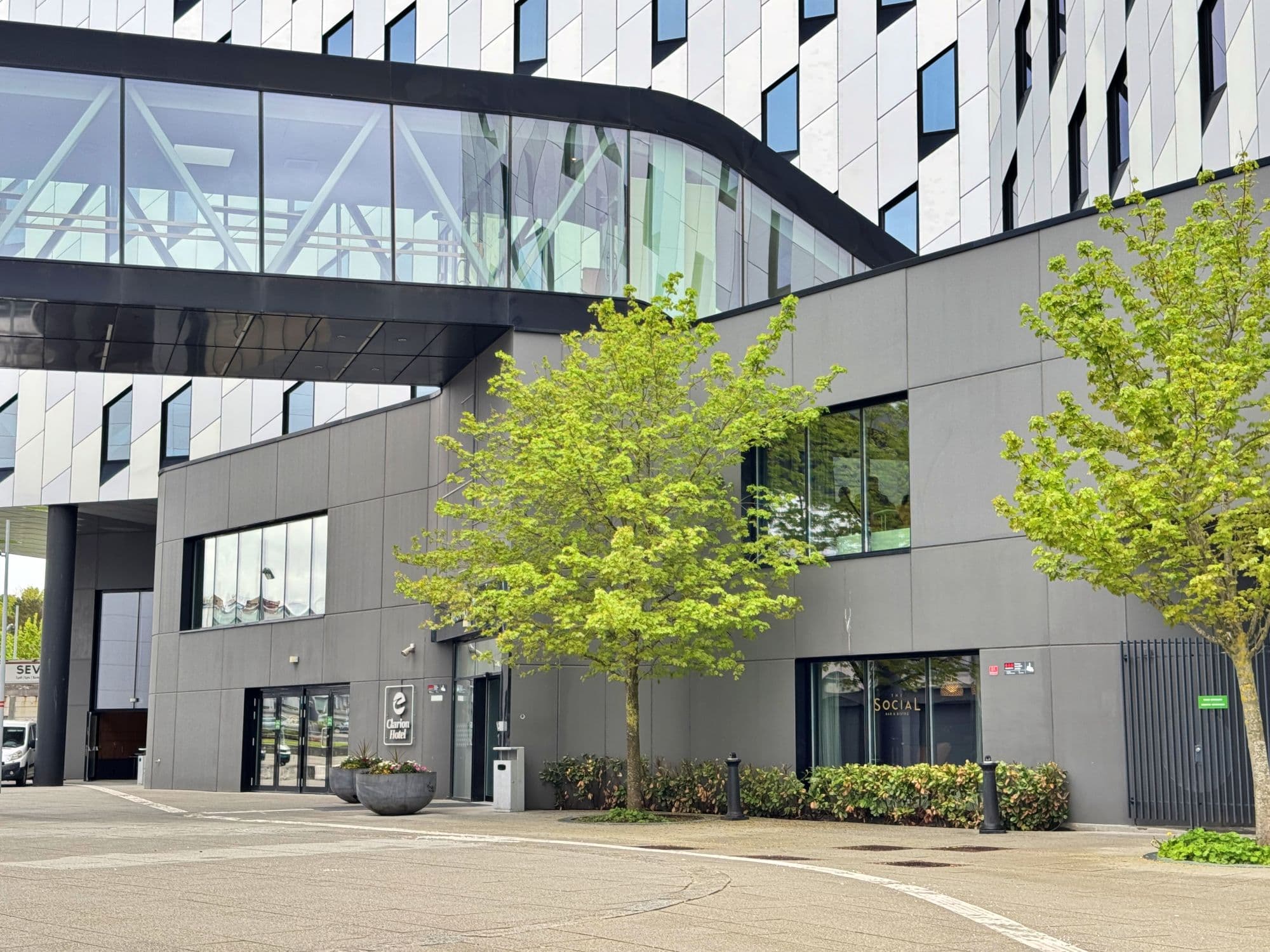
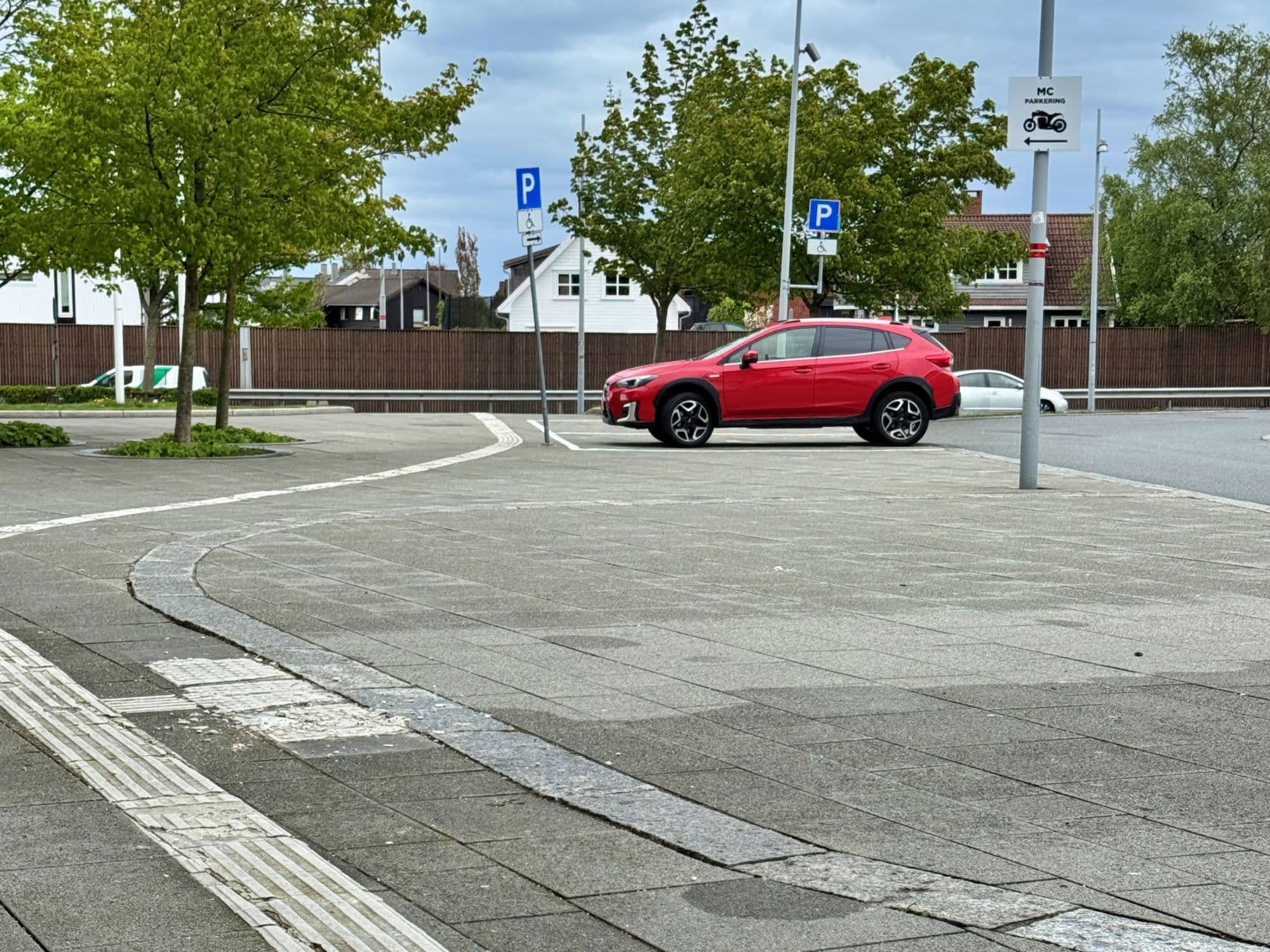
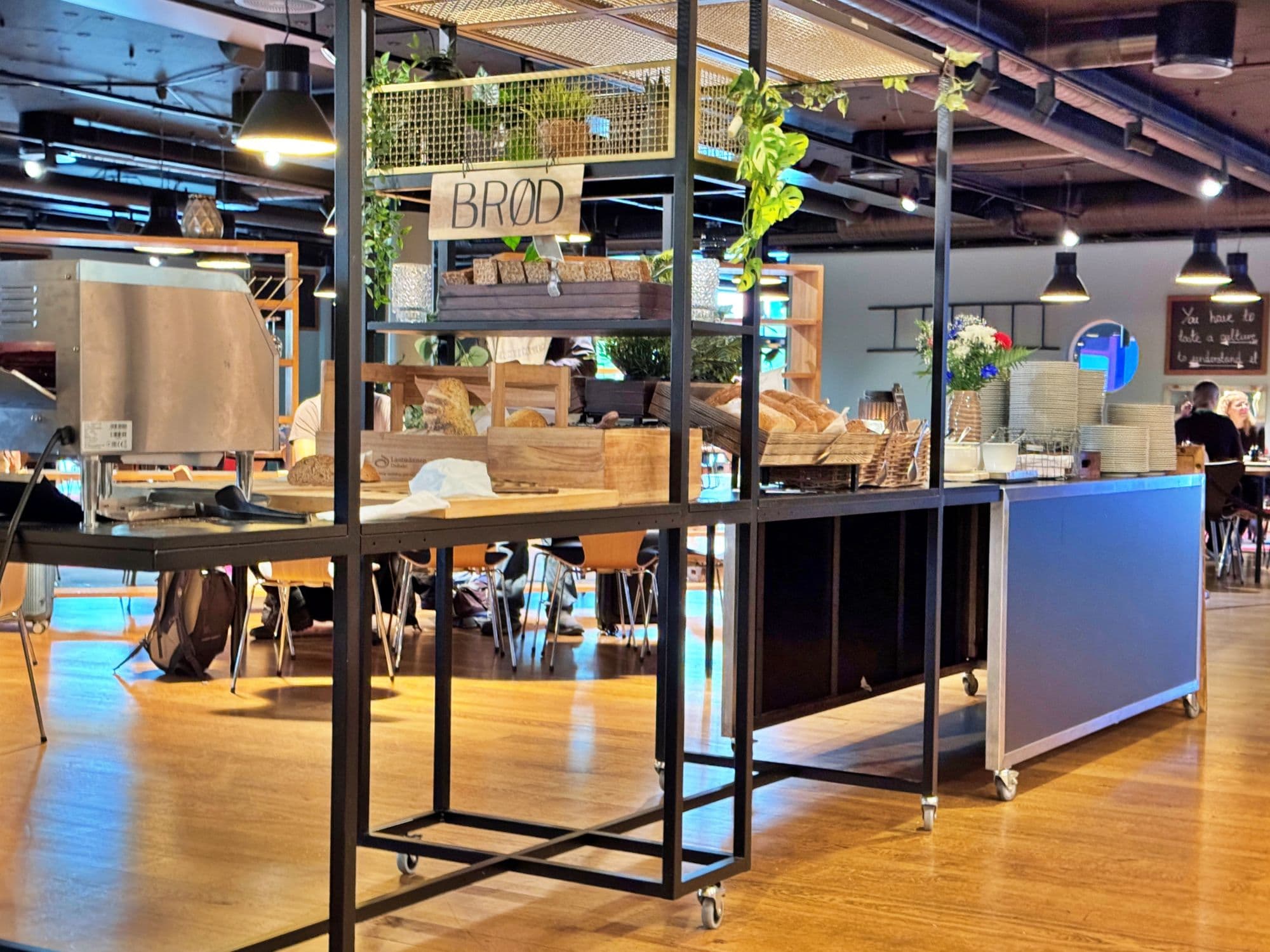
For accommodation in Stavanger, Clarion Hotel Energy is a good option outside the oldest part of the city centre, around nine minutes by car from the centre. The hotel is a large conference hotel, but the lobby, bar, restaurant and lift to the rooms are grouped in a compact area near the entrance, with wide passages and spacious communal areas. The hotel also has accessible rooms, and the restaurant and breakfast area are on the same level as the lobby, with a short distance between the buffet and the tables. There are two accessible parking spaces around 50 metres from the entrance, as well as additional parking a little further down along the side of DNB Arena.
It can be useful to make the hotel aware of certain details before arrival. The shower head should be positioned at the bottom of the shower rail so that it can be reached from a seated position, and for visitors using a wheelchair, the hotel should also make sure that the curtains can be opened and closed without anything being in the way or making this difficult.
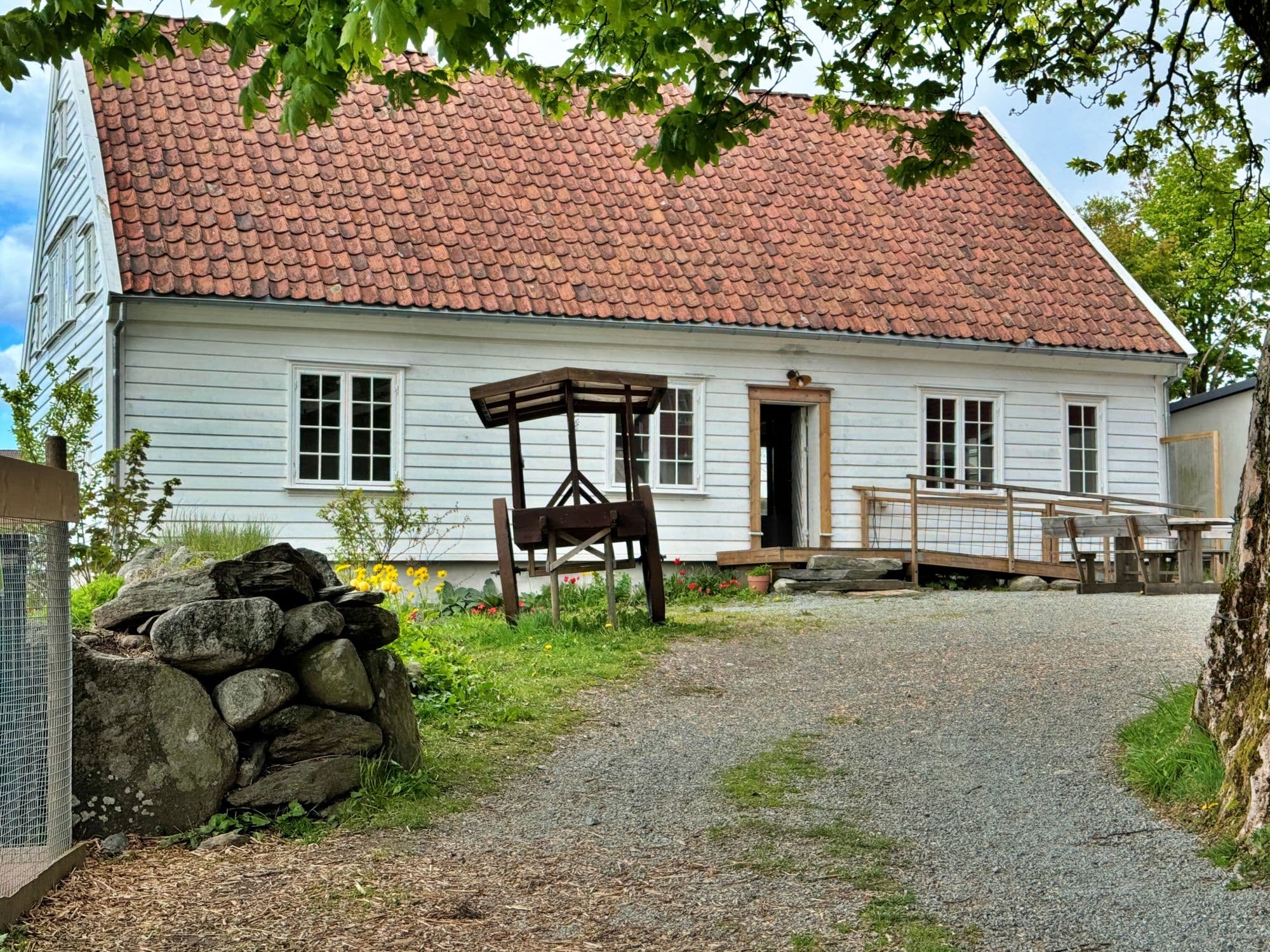
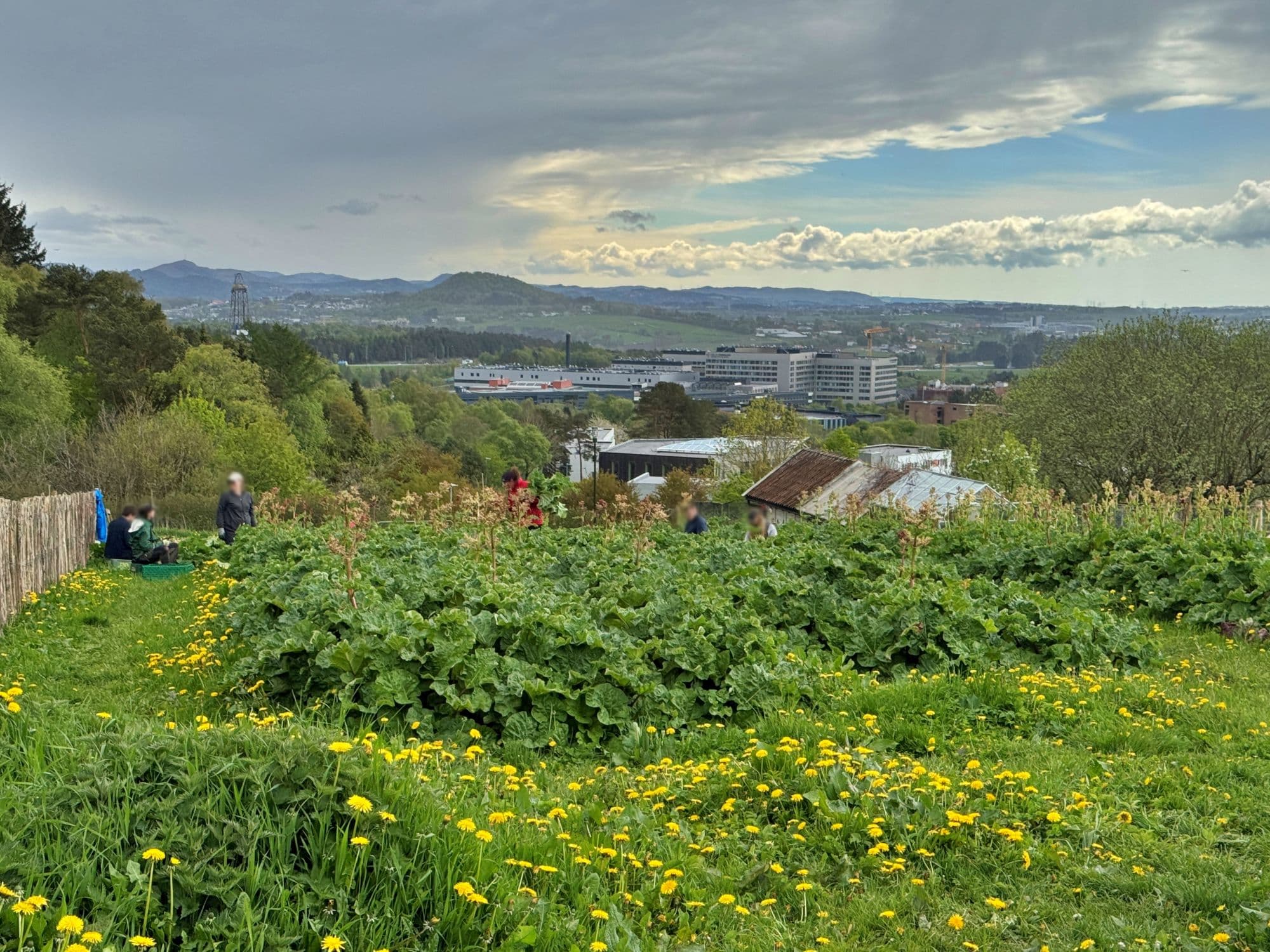
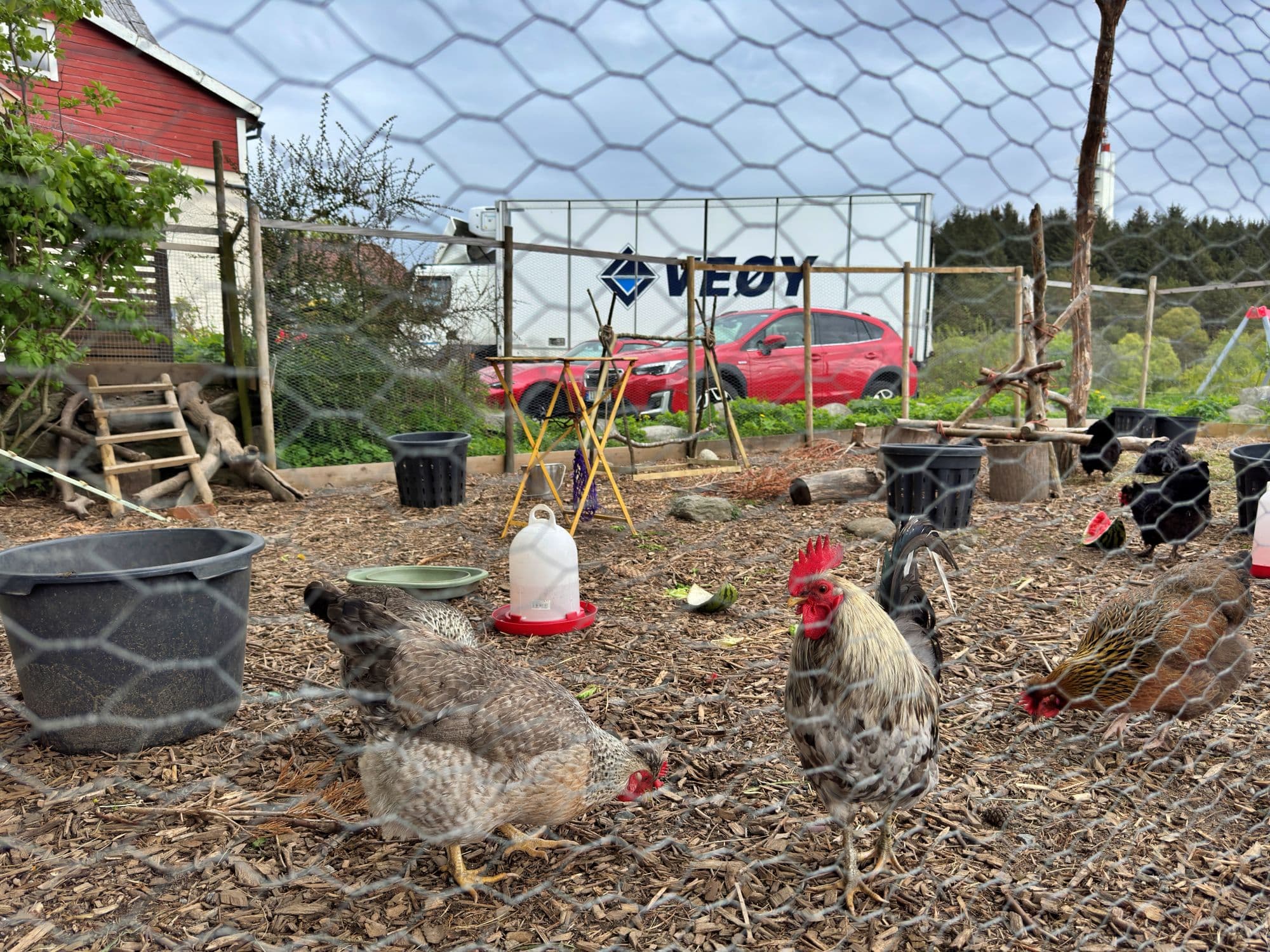
Ullandhaug Organic Farm stands out because it is located close to a larger urban area. Farms are often associated with open countryside and long distances, but here the animals, fields and farm buildings are gathered compactly around the parking area, with views over the surrounding landscape.
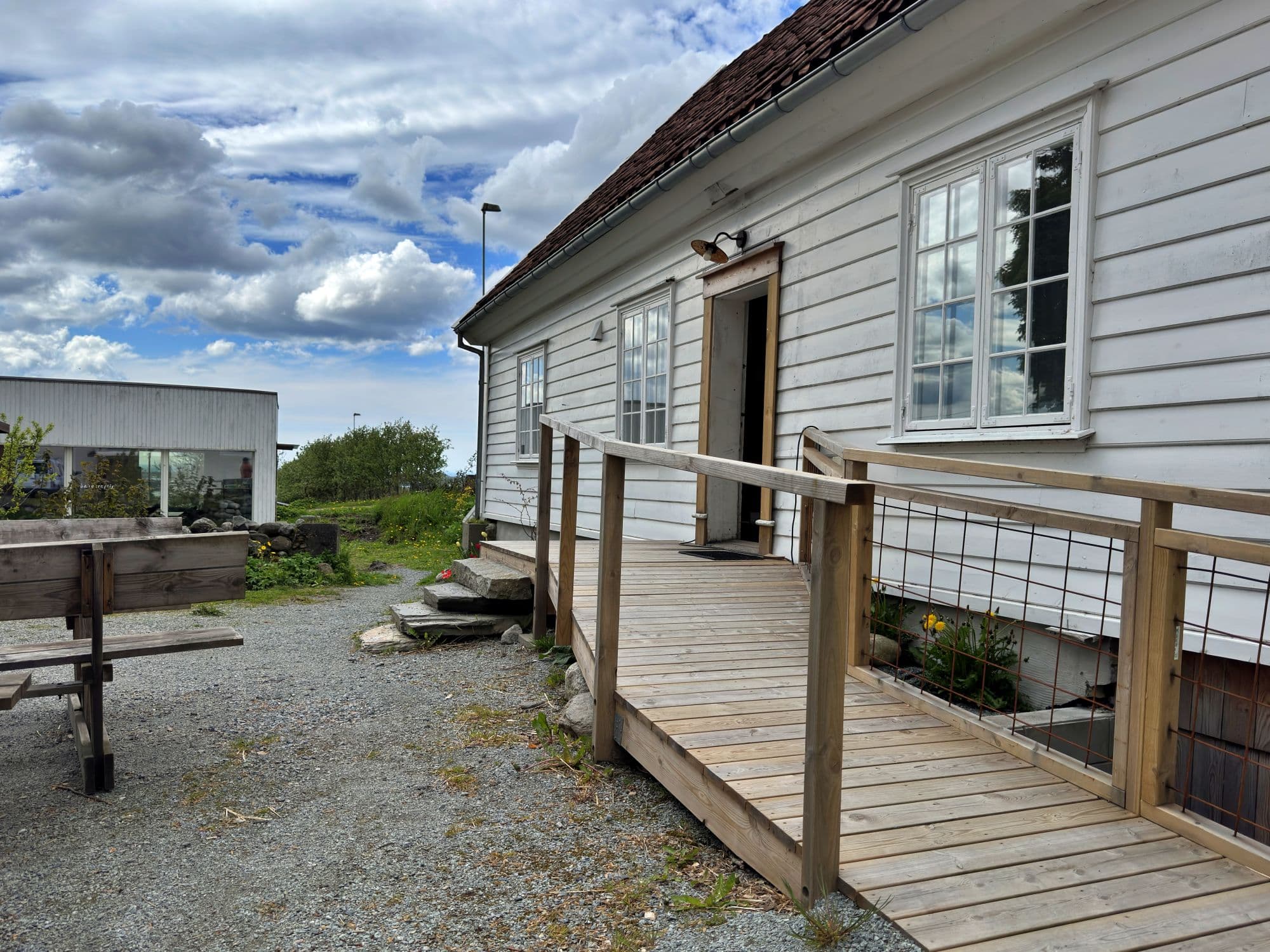
The farm has step-free solutions, ramps to the building and an accessible toilet, and the fences and netting around the animals are designed so that visitors can see well from any height. The surface varies between asphalt, firm dirt with a thin layer of gravel, thicker grass and more uneven terrain around the field.
The field itself is on a slightly lower level, so visitors can still get a good overview without having to go all the way down. This means they can experience the animals, the farm atmosphere and the view even while staying on the easiest parts of the site.
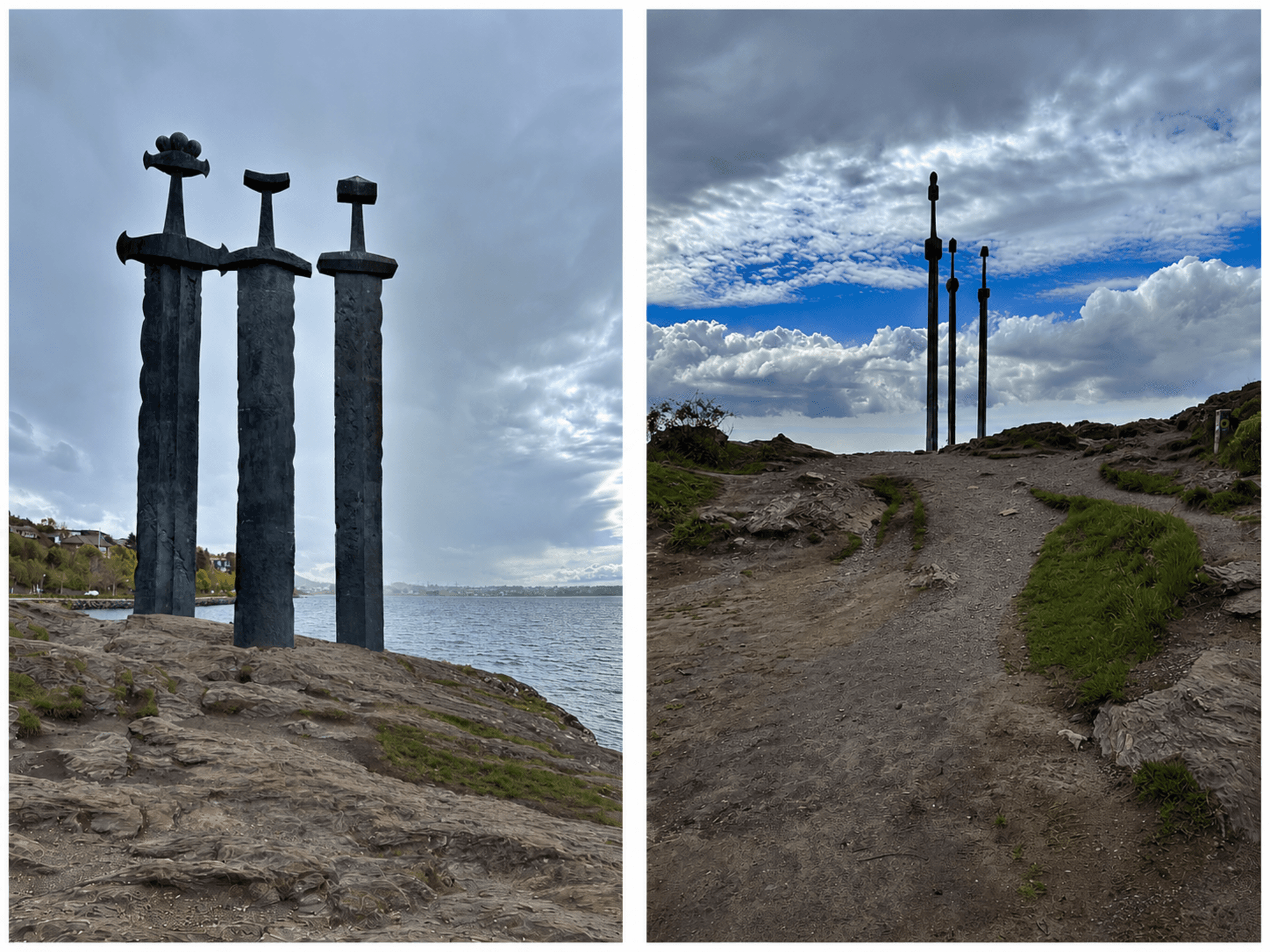
One of the region's best-known monuments is located by Hafrsfjord. Sverd i fjell, or Swords in Rock, is a powerful and easily recognisable landmark, with three large swords raised to commemorate the Battle of Hafrsfjord and the unification of Norway.
The monument is set in an open position by the water, making it easy to experience even from some distance away.
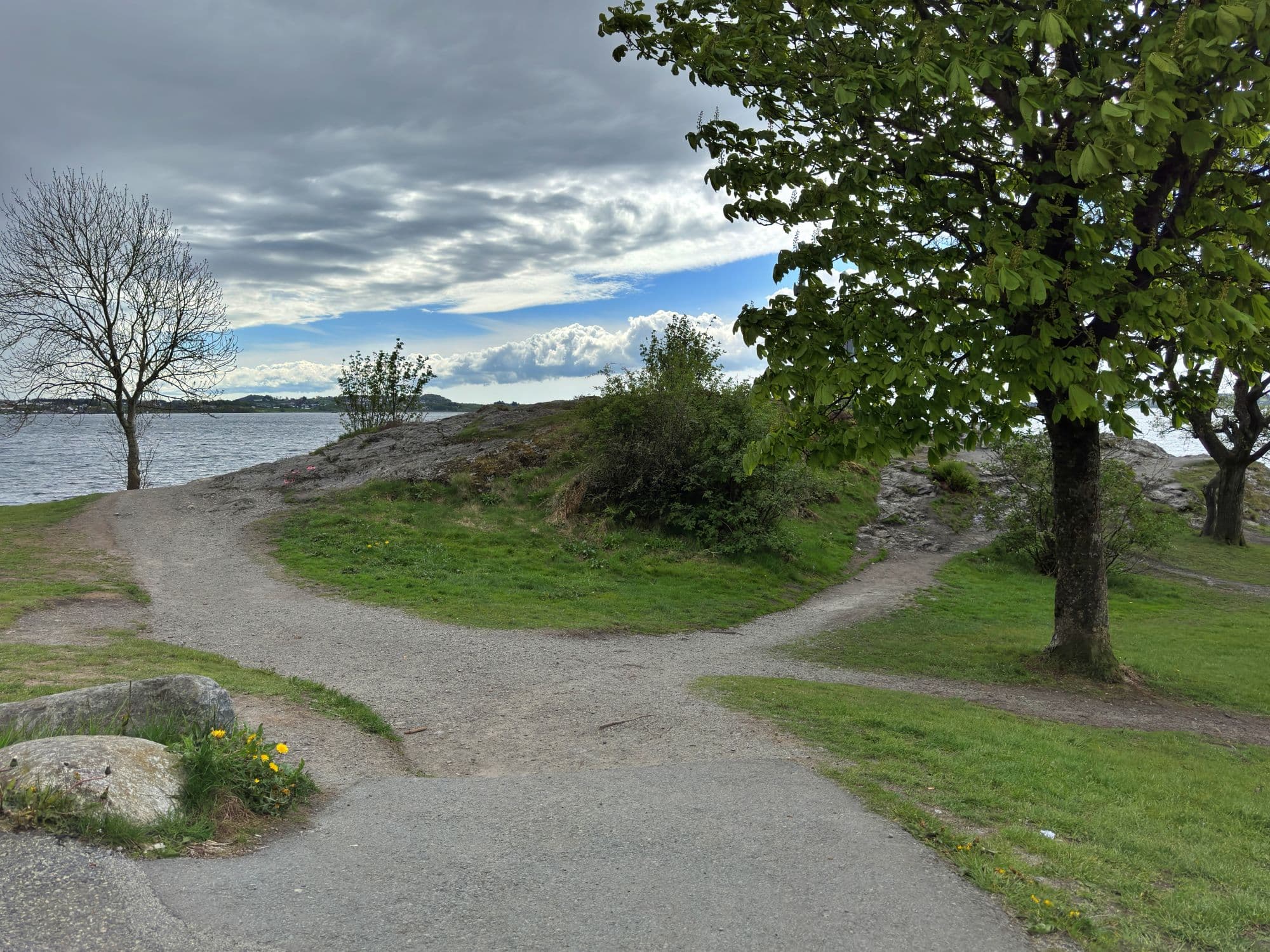
The parking area is currently only around 50 metres from the swords, but it is scheduled to be moved to a new area around 200 metres away. Access from there appears to follow a flat, paved road along the water and beach, but work is still ongoing. The area immediately around the swords is more demanding, with rock, stones, earth and uneven sections, but many visitors will still be able to get quite close, particularly with some assistance. For a less uneven approach, it is best to approach the swords from the left-hand side as seen from the car park.