— Helleren in the Jøssingfjord
Useful information
Accessibility along the edge of Norway: Jæren and the coast south of Stavanger
Last updated 2026-09-11
Along the edge of south-western Norway, charming wooden towns, long beaches, green cultural landscapes, historic lighthouses, varied museums and beautiful fjords cut deep between steep mountainsides. The region is compact enough to experience a great deal in a short time, while its variety leaves room for many different interests.
By Adele Heidenreich, accessible tourism consultant and writer
Adele visited and tested the places featured in this article to describe their accessibility in practice.
This journey went through Jæren and the coast south of Stavanger, Sandnes and Stavanger. It was made by car and on crutches to see what the possibilities are like in practice. Along the way, places, activities and accommodation were visited and assessed to make it easier to plan from home according to individual needs. This applies whether visitors use a wheelchair or other mobility aids, are senior travellers, or have other forms of reduced mobility. With clear information, it becomes easier to plan and experience the region with greater predictability and confidence.
In this part, the journey takes us through Jæren and the coast south of Stavanger.
Jæren and the coast south of Stavanger
In Jæren, the landscape opens towards the sea, with long horizons, farmland, lighthouses and wind that constantly reminds visitors how close the Atlantic Ocean is. At the same time, the area contains many layers of history, from old farmsteads to coastal culture.
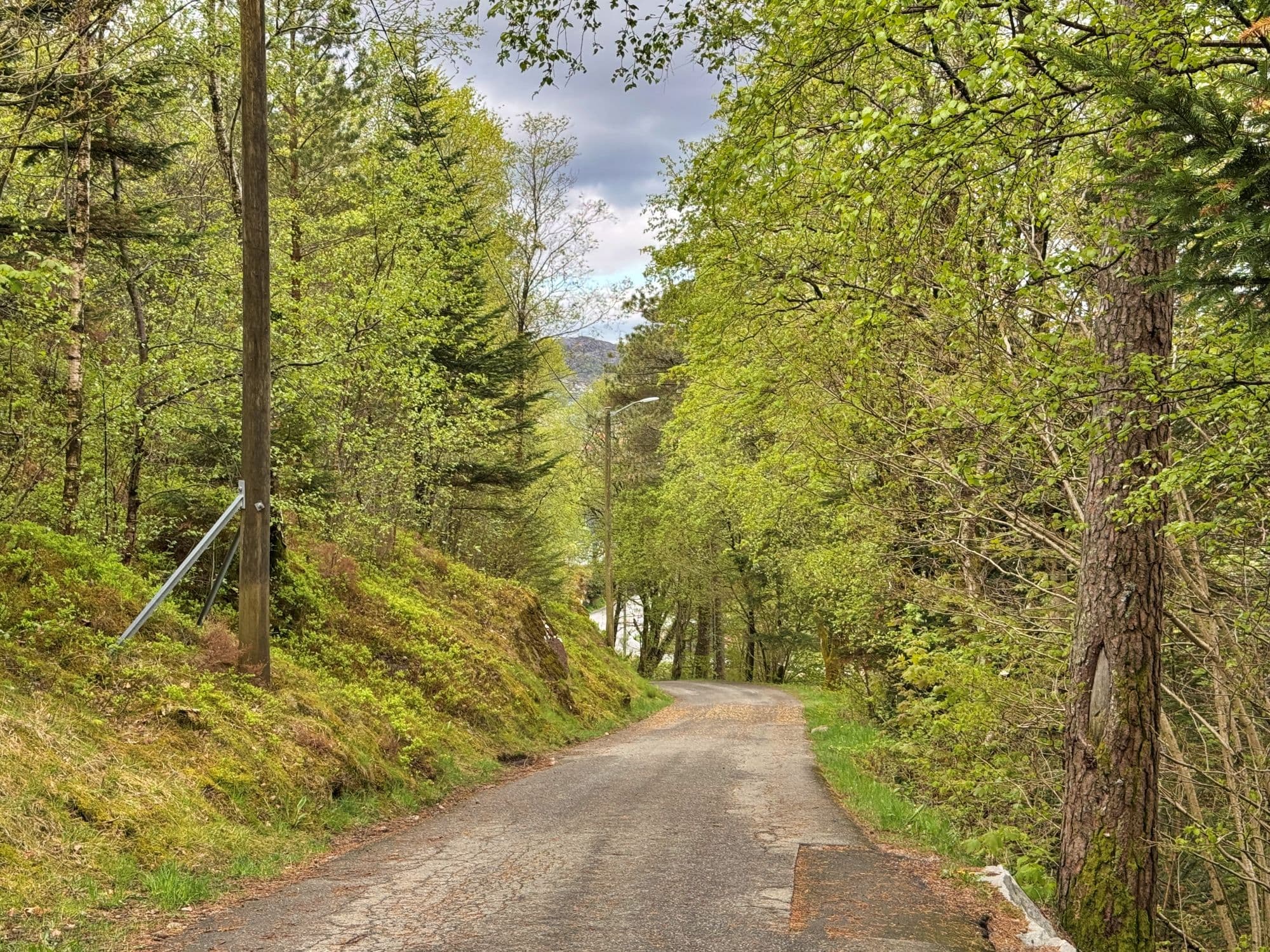
Arriving from the east, the Norwegian Scenic Route Jæren along county road 44 towards Jøssingfjord is a good introduction. The road winds like an entertaining roller coaster through a green and lush landscape, past small, still lakes, steep mountainsides and narrow sections. Around each new bend, the view opens up again, making the drive part of the experience.
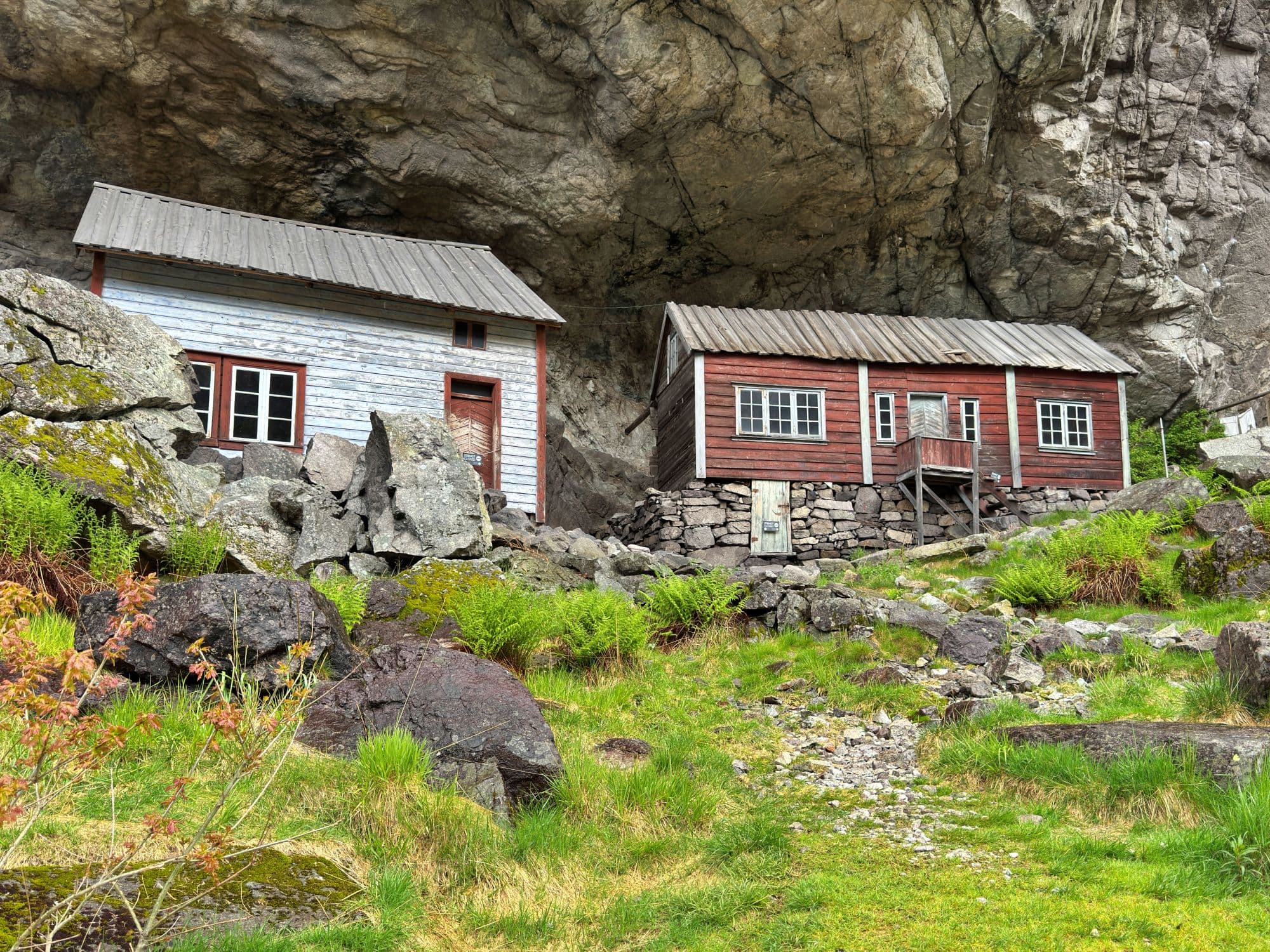
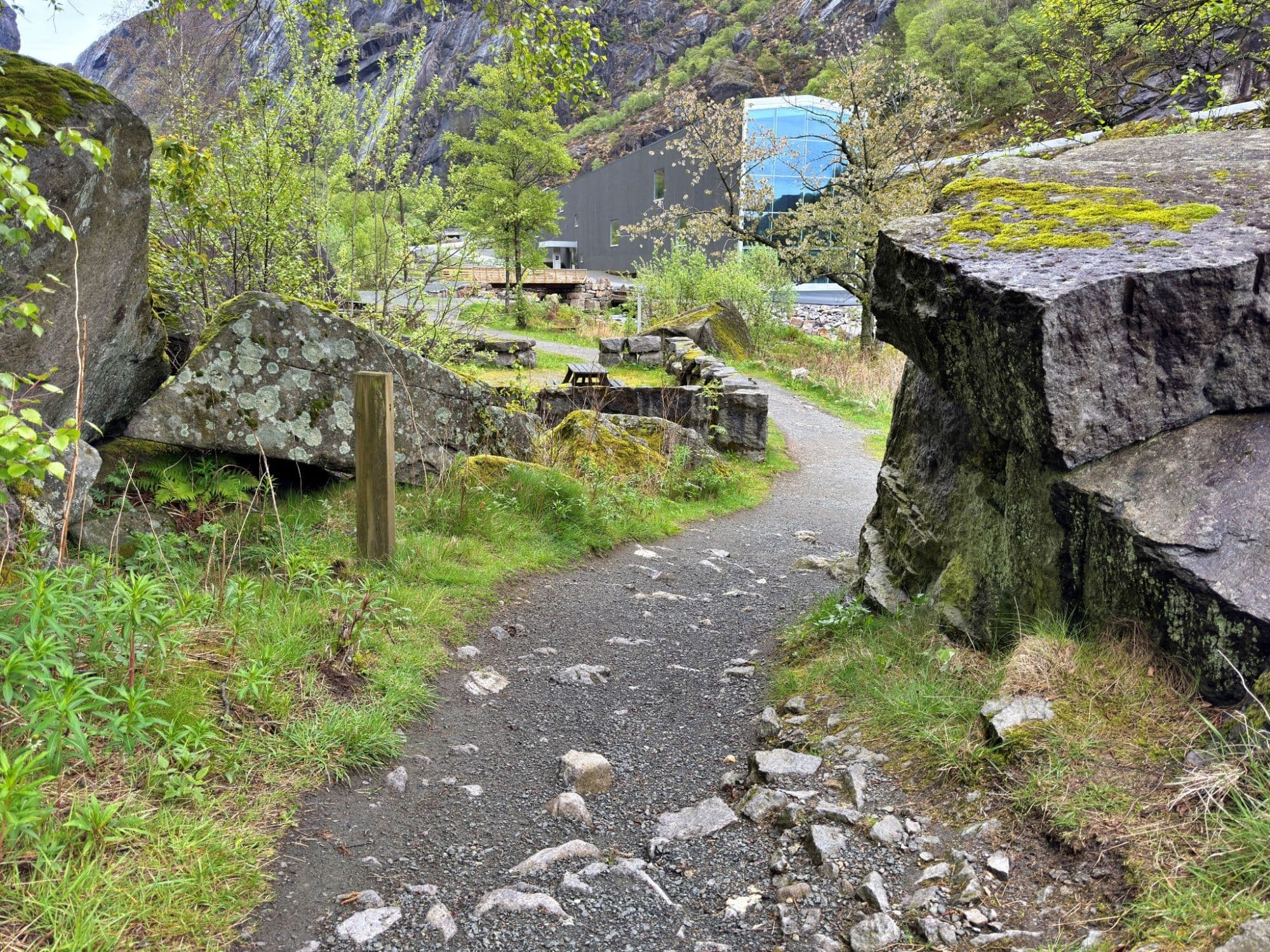
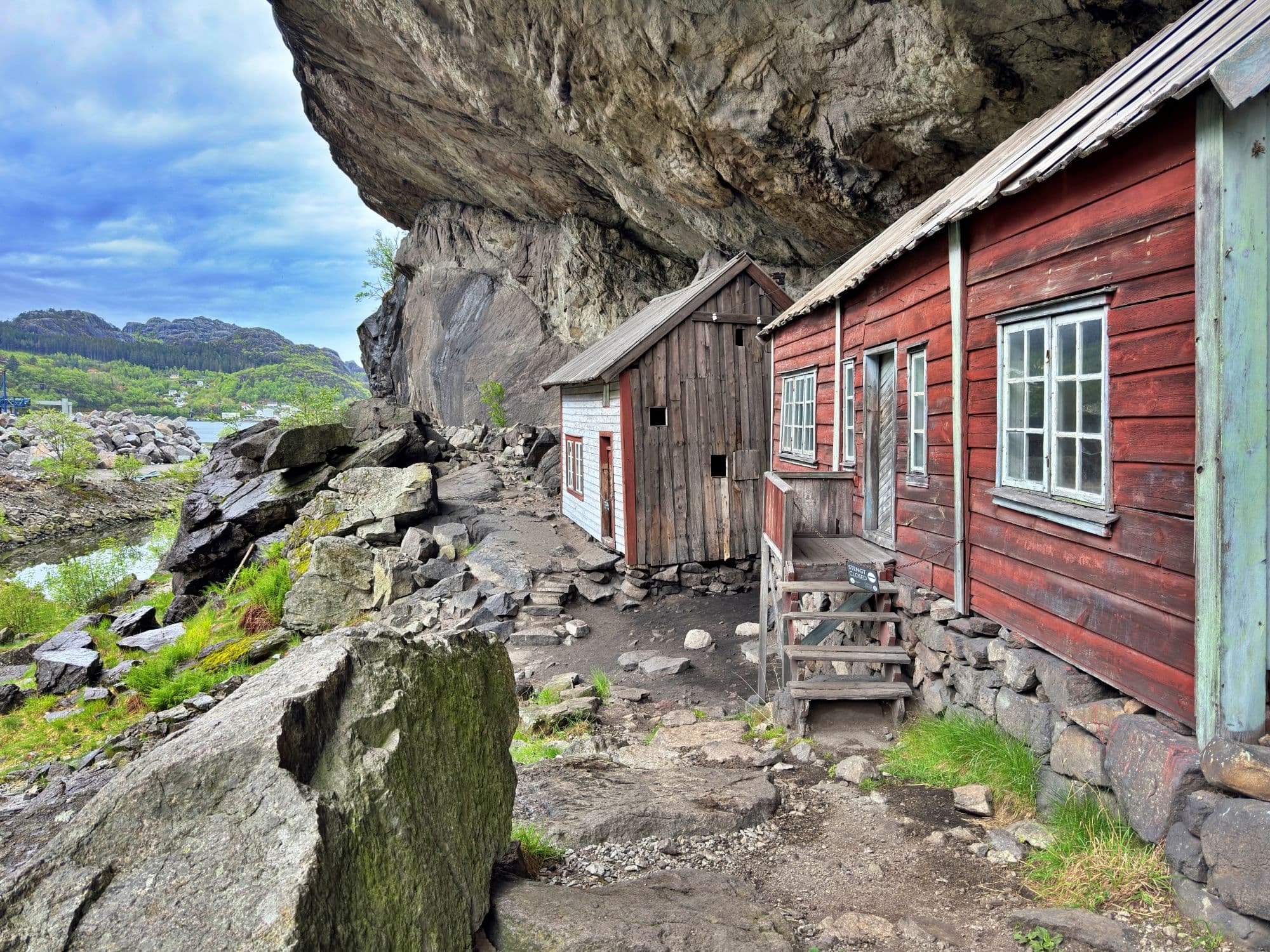
Helleren is a small place with a big story. Beneath the mighty rock formation stand two small houses that have been sheltered from the weather for generations, and although many people know the scene from photographs, the place makes a stronger impression when experienced in person. The area has been used by people for more than 6,000 years, while the houses date from the 18th and 19th centuries.
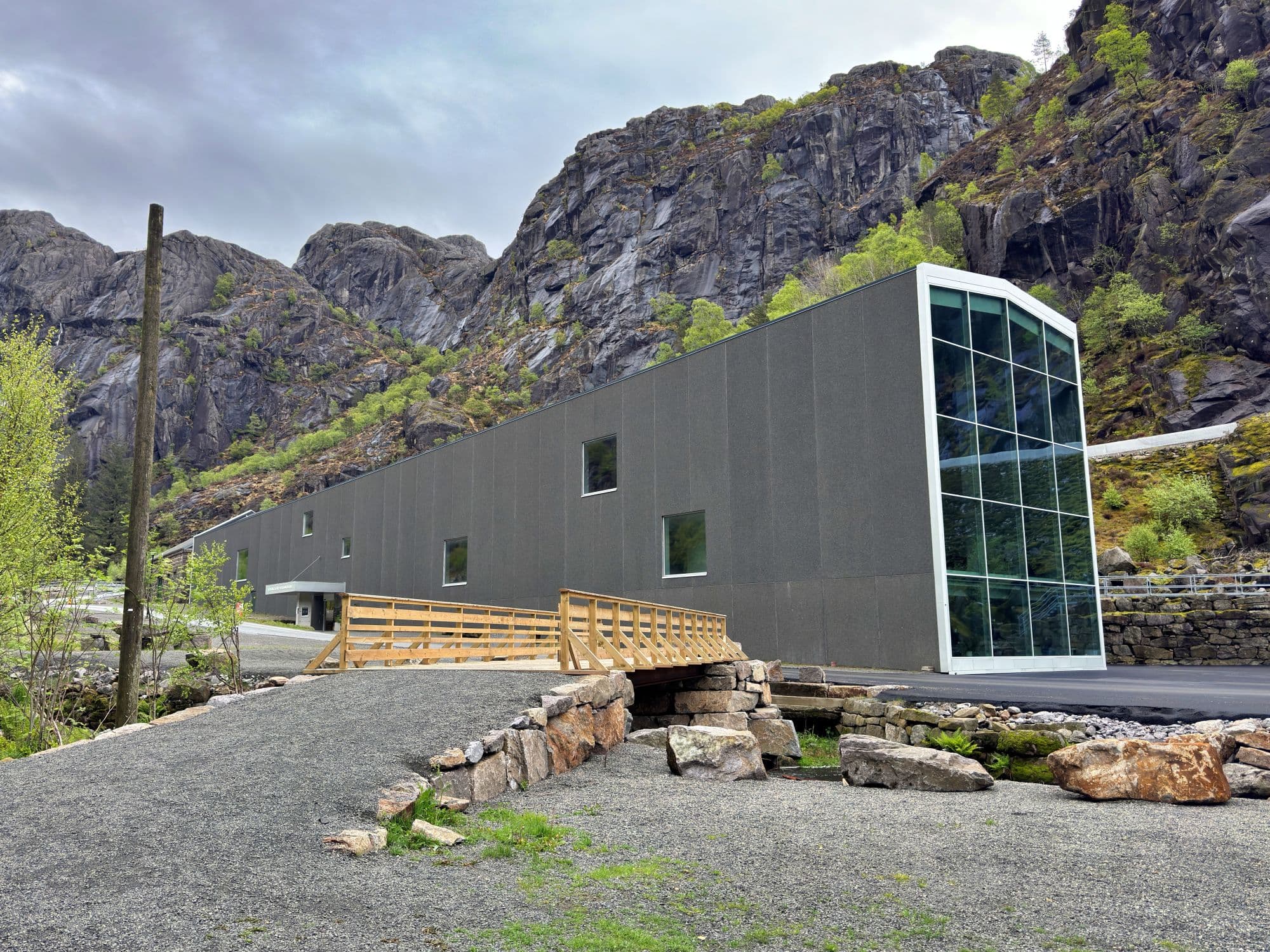
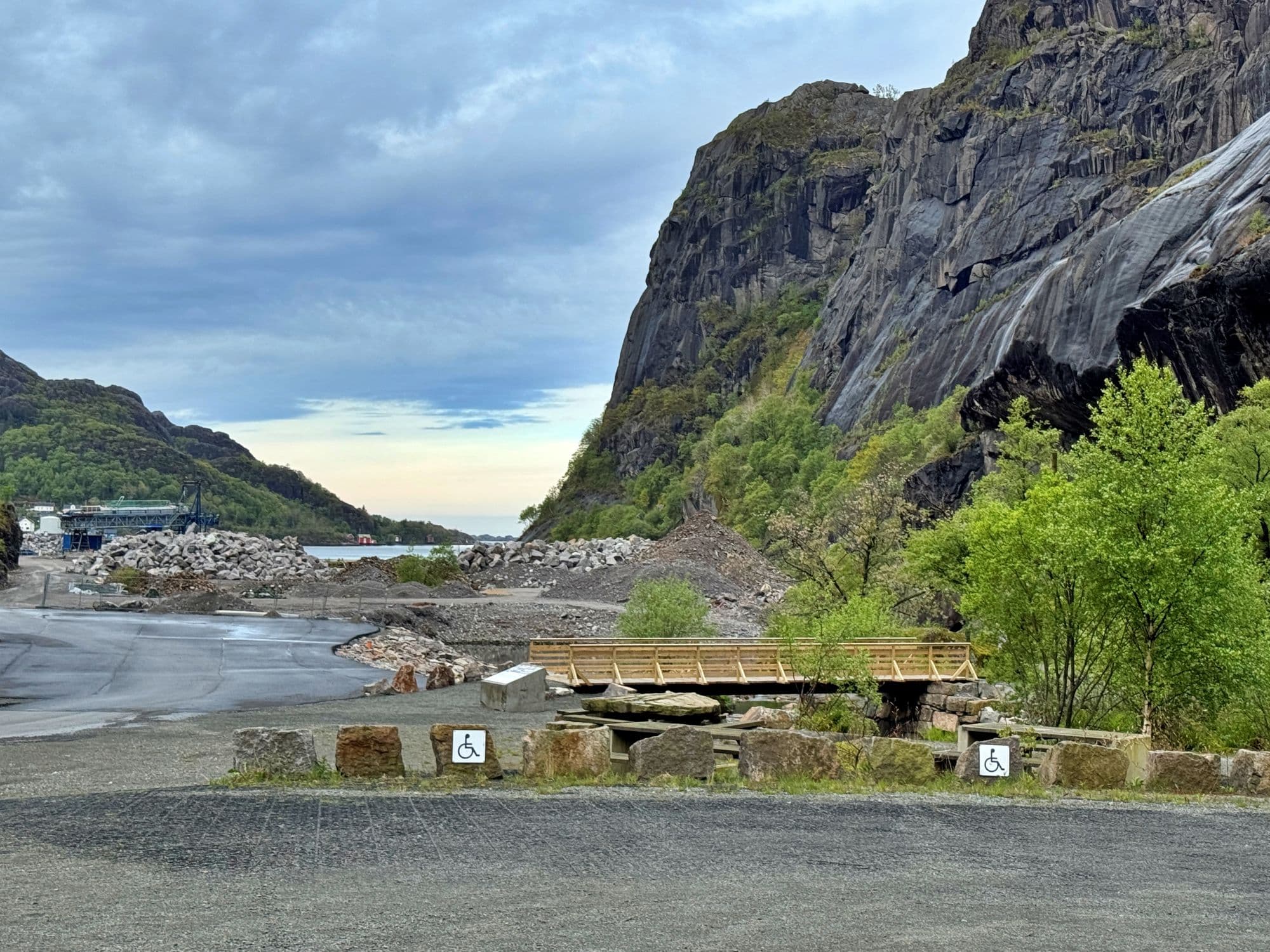
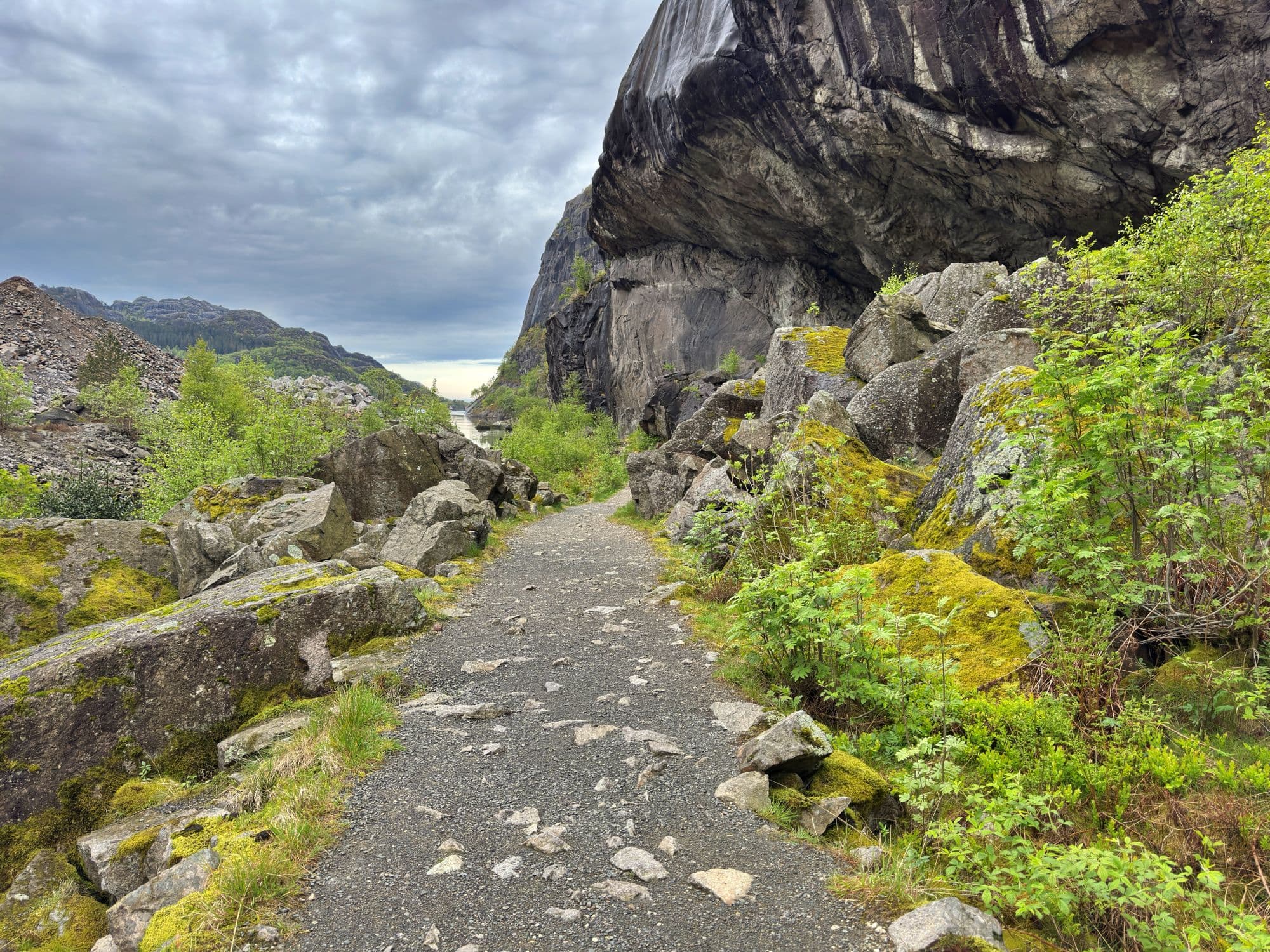
From the car park at Jøssingfjord Science Museum, it is just over 100 metres to the houses. There are designated accessible parking spaces in the parking area, and the first part of the approach follows a firm surface with a thin layer of gravel and then continues across a flat bridge. The surface then changes to a firm, wide nature trail with several visible stones, followed by a short, uneven uphill section where a manual wheelchair may require some assistance. After this, the path levels out towards the houses, with a few uneven areas that are relatively easy to navigate.
From here, there is a good view of the houses, but visitors who want to go all the way up and touch the walls need to pass through a narrow section with large stones and very uneven terrain. Visitors are not permitted to enter the houses, but it is still possible to have a good experience without getting right up to the buildings, as the rock formation, the houses and their position beneath the overhang are all clearly visible at close range.
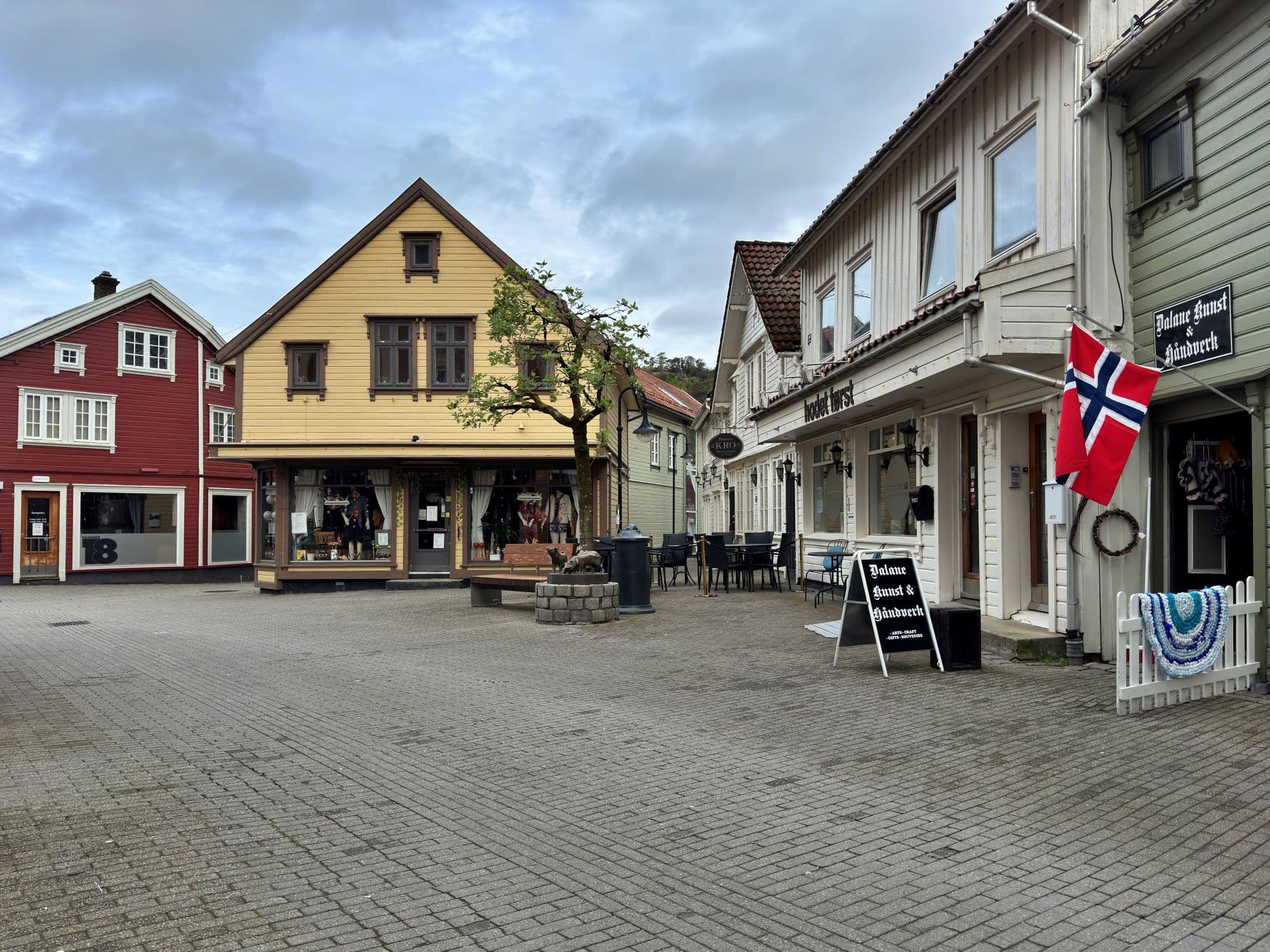
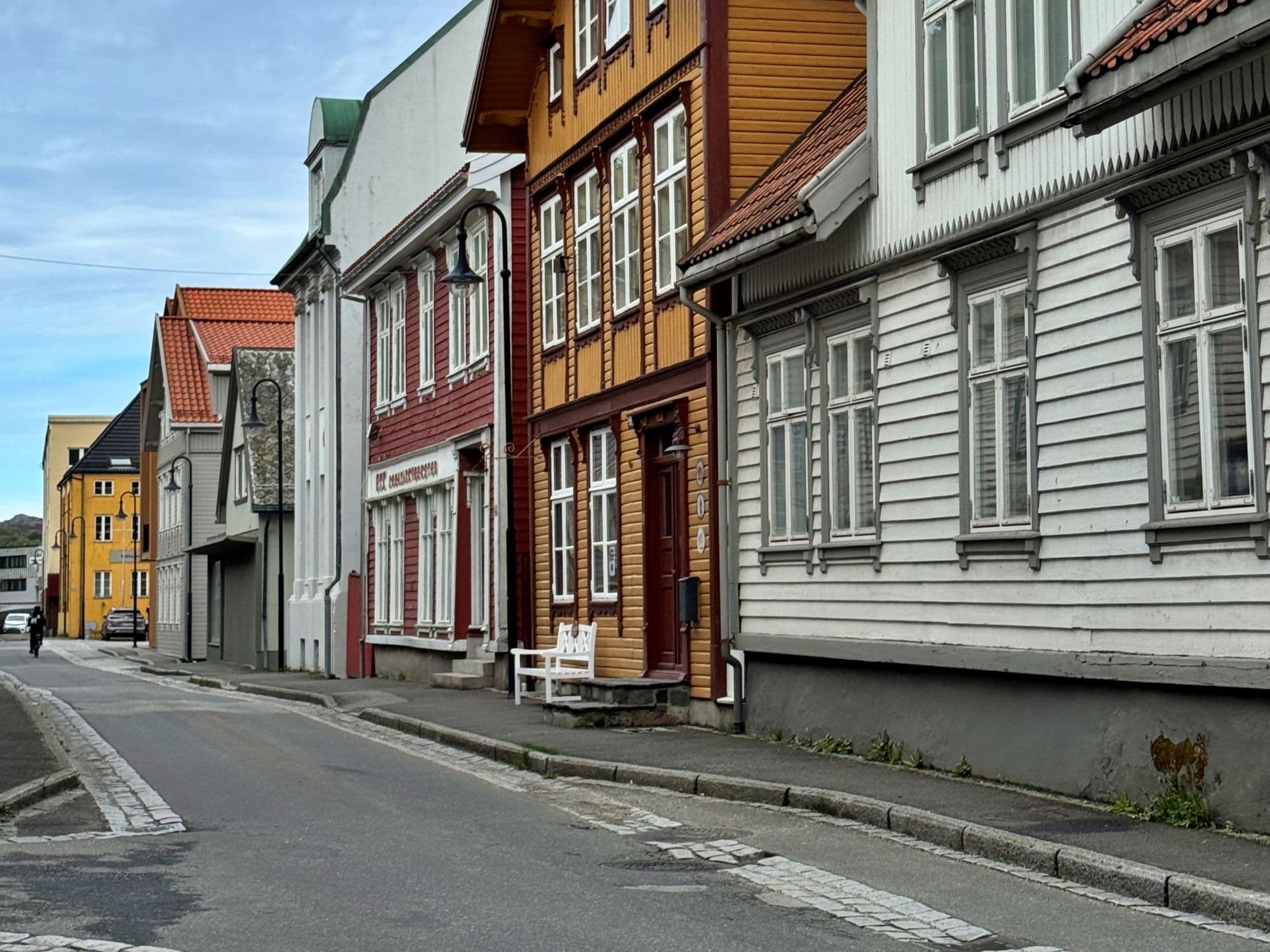
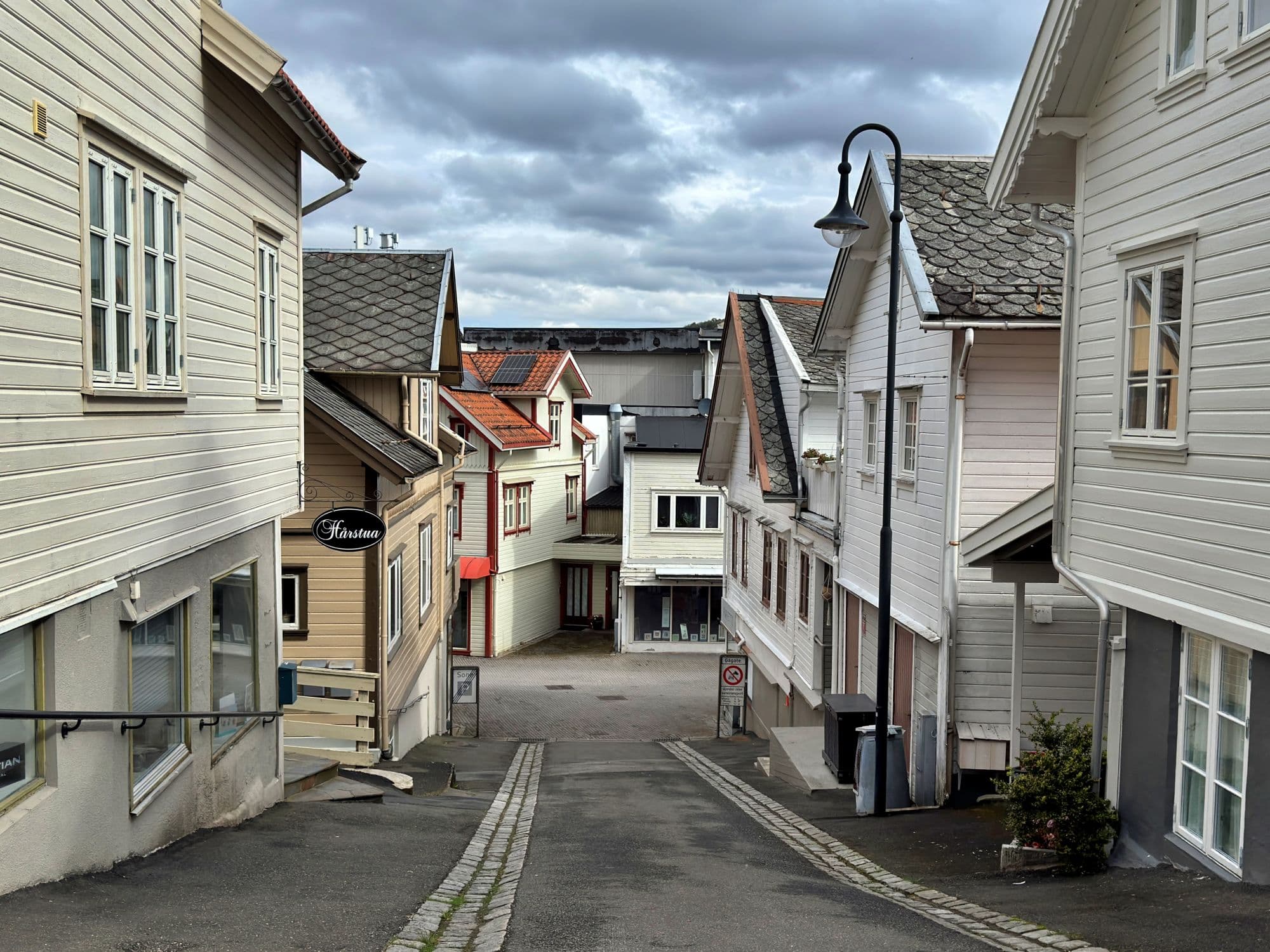
Further west lies Egersund, known for its well-preserved wooden architecture and a town centre with narrow streets, white-painted houses and small shops. From Egersund square, Strandgaten offers a pleasant, flat route through the wooden town for around 500 metres, although the pavements vary considerably. In some places they are narrow, and in several sections they become narrower and wider along the way. Space can therefore be limited, particularly where the buildings stand close to the street. As an alternative, the street can also be experienced by car.
The area around the square and pedestrian street has an even surface of cobblestones and paving stones and gives a good impression of the historic buildings without requiring visitors to move very far. Grand Hotel Egersund is also worth seeing for its distinctive style. Those who want to explore more of the old town should be aware that there are several steep streets and noticeable inclines. At the same time, the area around the square and pedestrian street offers many good views into the side streets, making it possible to get a good experience of the wooden town without taking on the steepest sections.
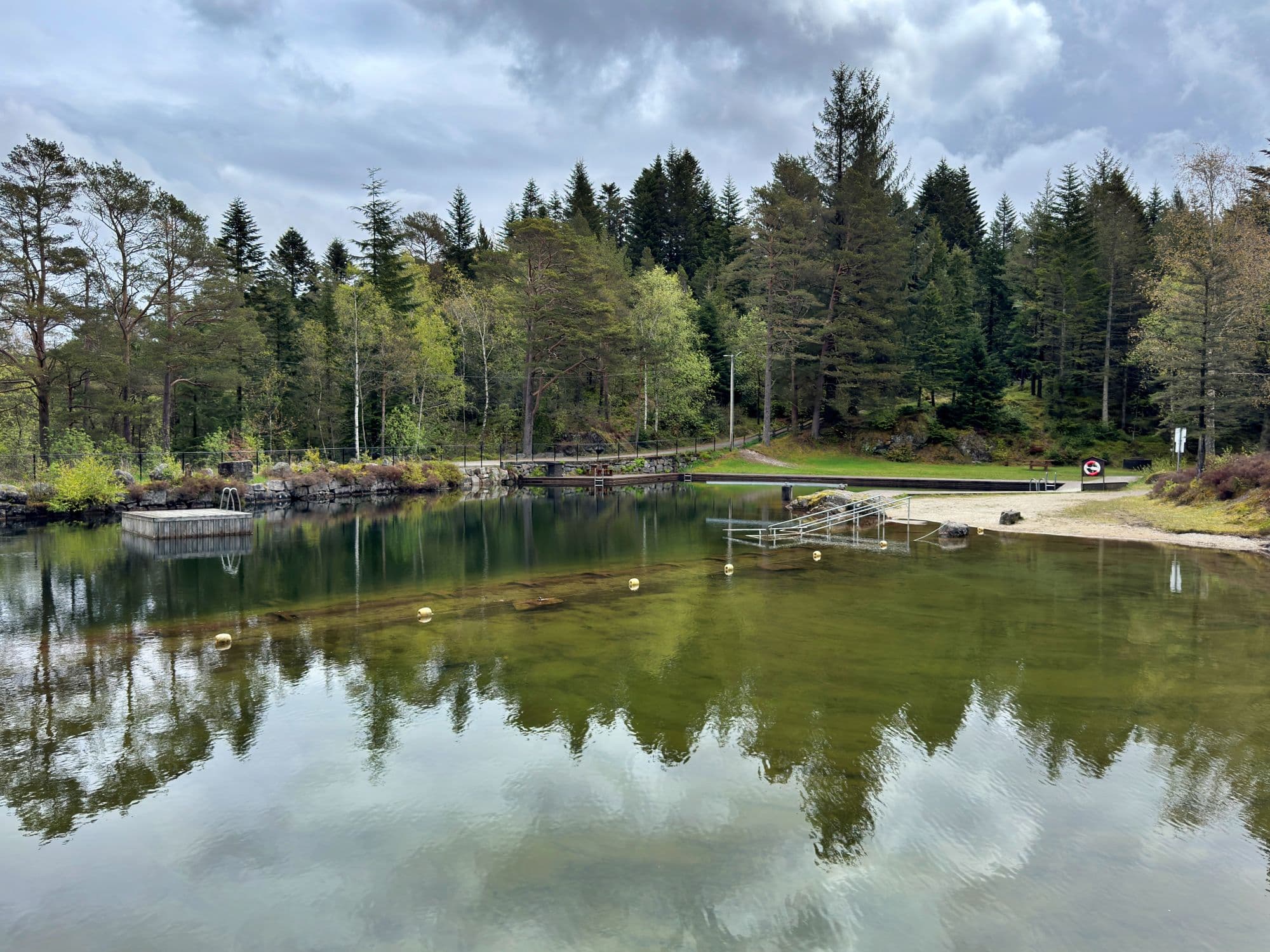
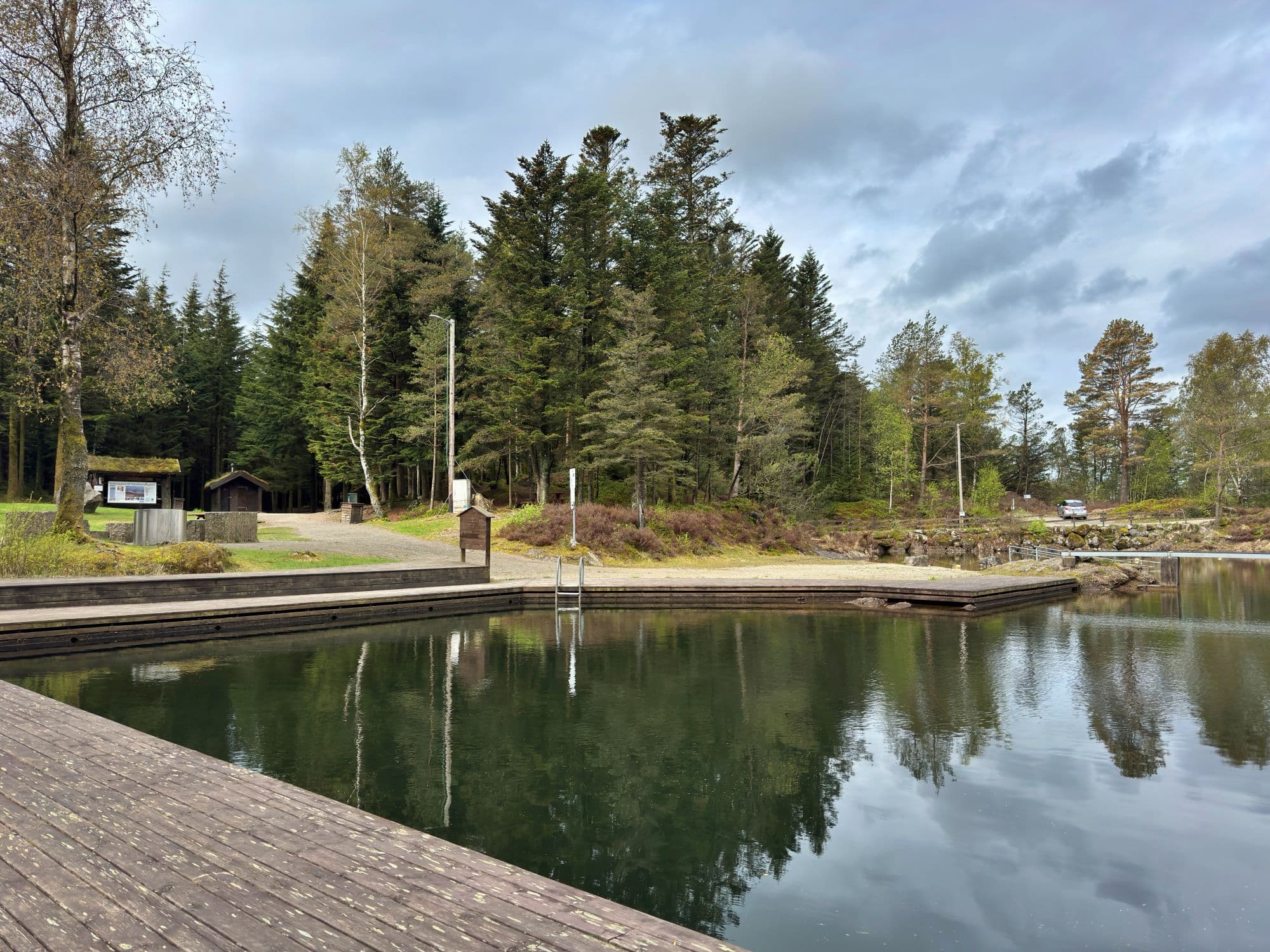
Just outside the town centre lies Vannbassengane, a popular walking and bathing area with fresh air and birdsong among the trees. The swimming area itself has large, open spaces with a jetty, bathing platform and beach. There is also a ramp into the water, but at the time of the visit it showed signs of wear, and it was unclear whether it would be repaired before the summer season or whether the work had been put on hold.
From the car park, it is around 350 metres uphill to the swimming area along a steep, paved road. The incline can be demanding, but vehicles displaying an accessible parking permit can contact the municipality about permission to use the single accessible parking space by the swimming area. From there, it is around 50 metres to the swimming area along an almost flat road with a firm earth surface and a thin layer of gravel.
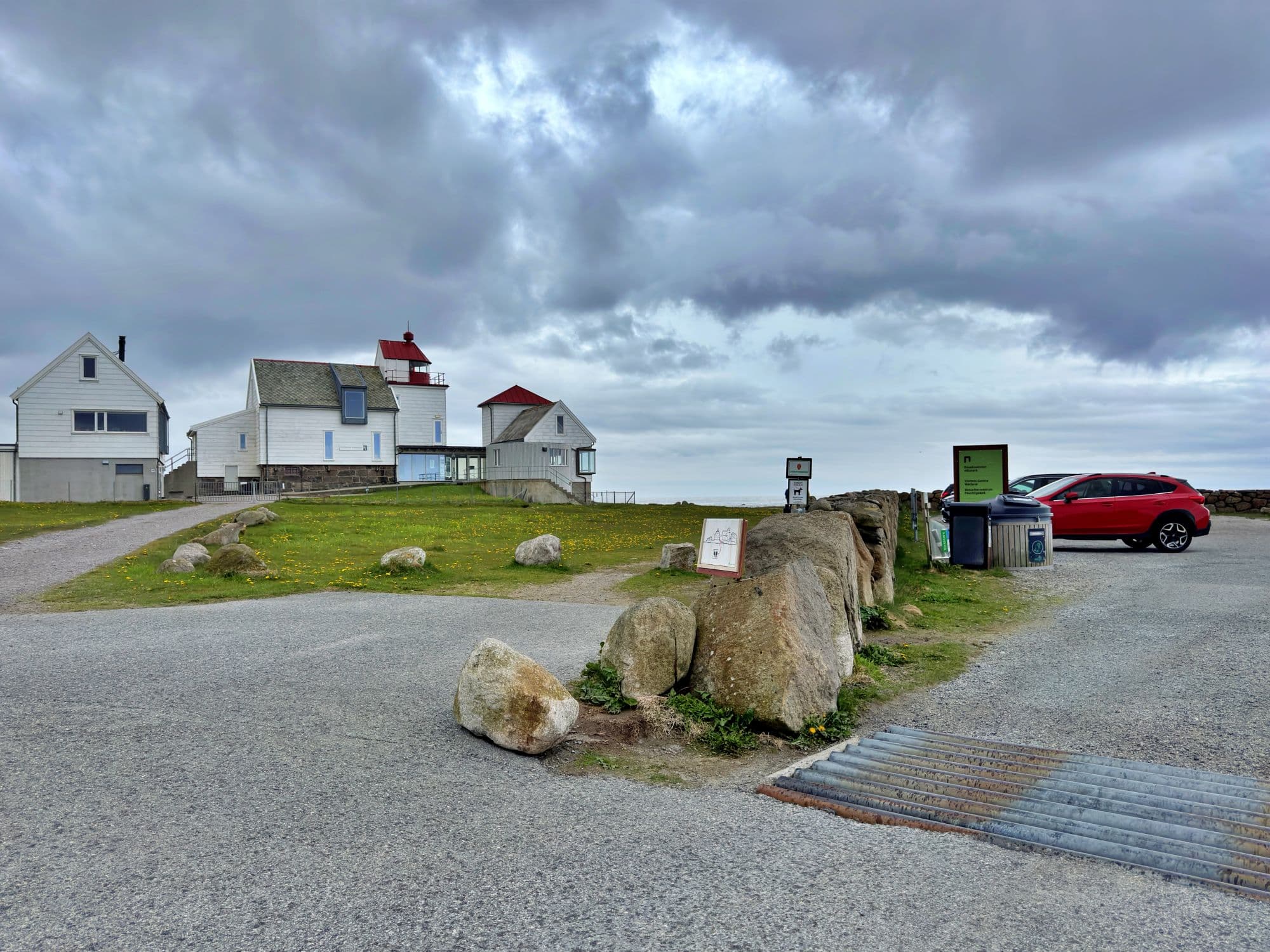
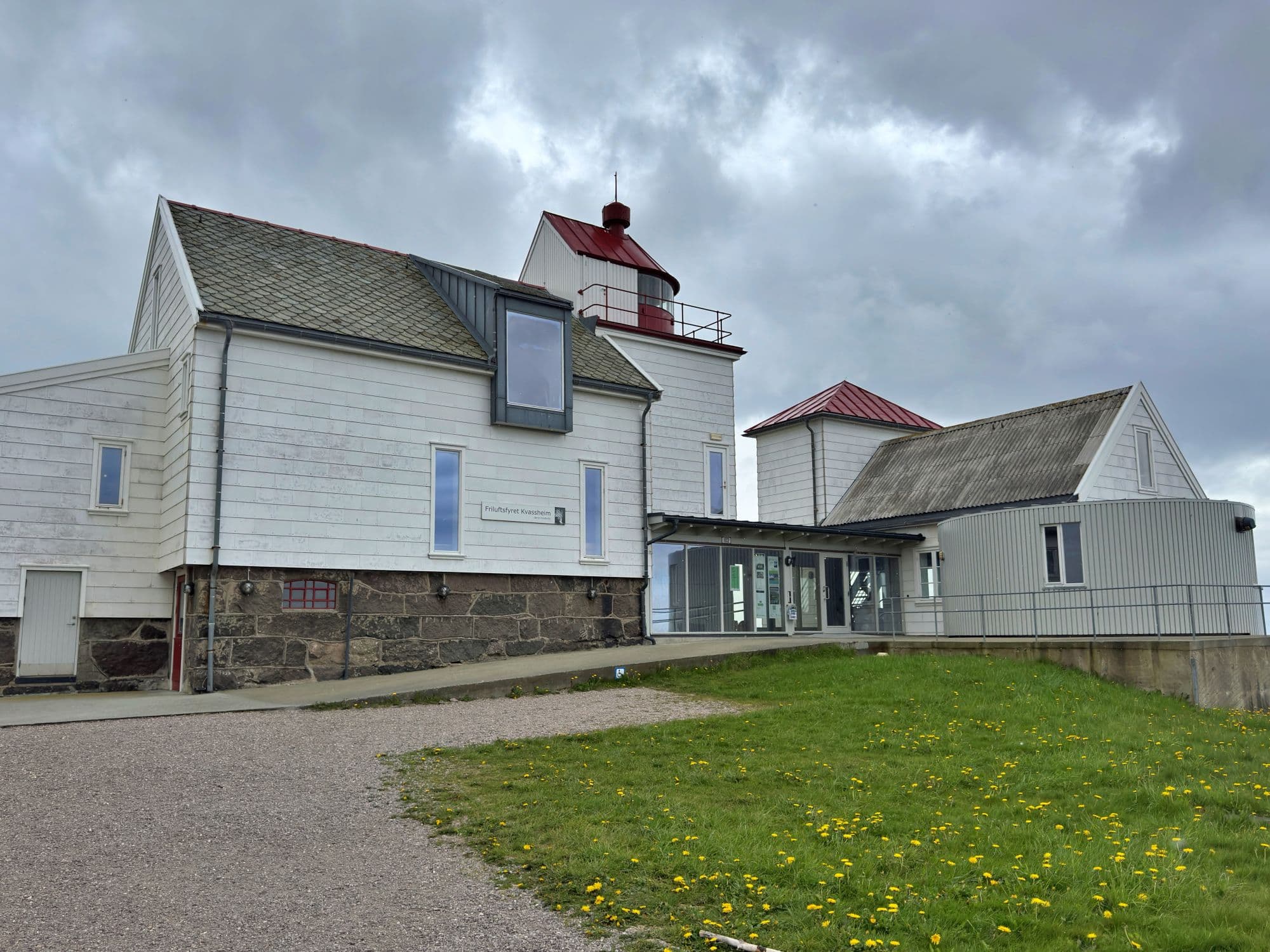
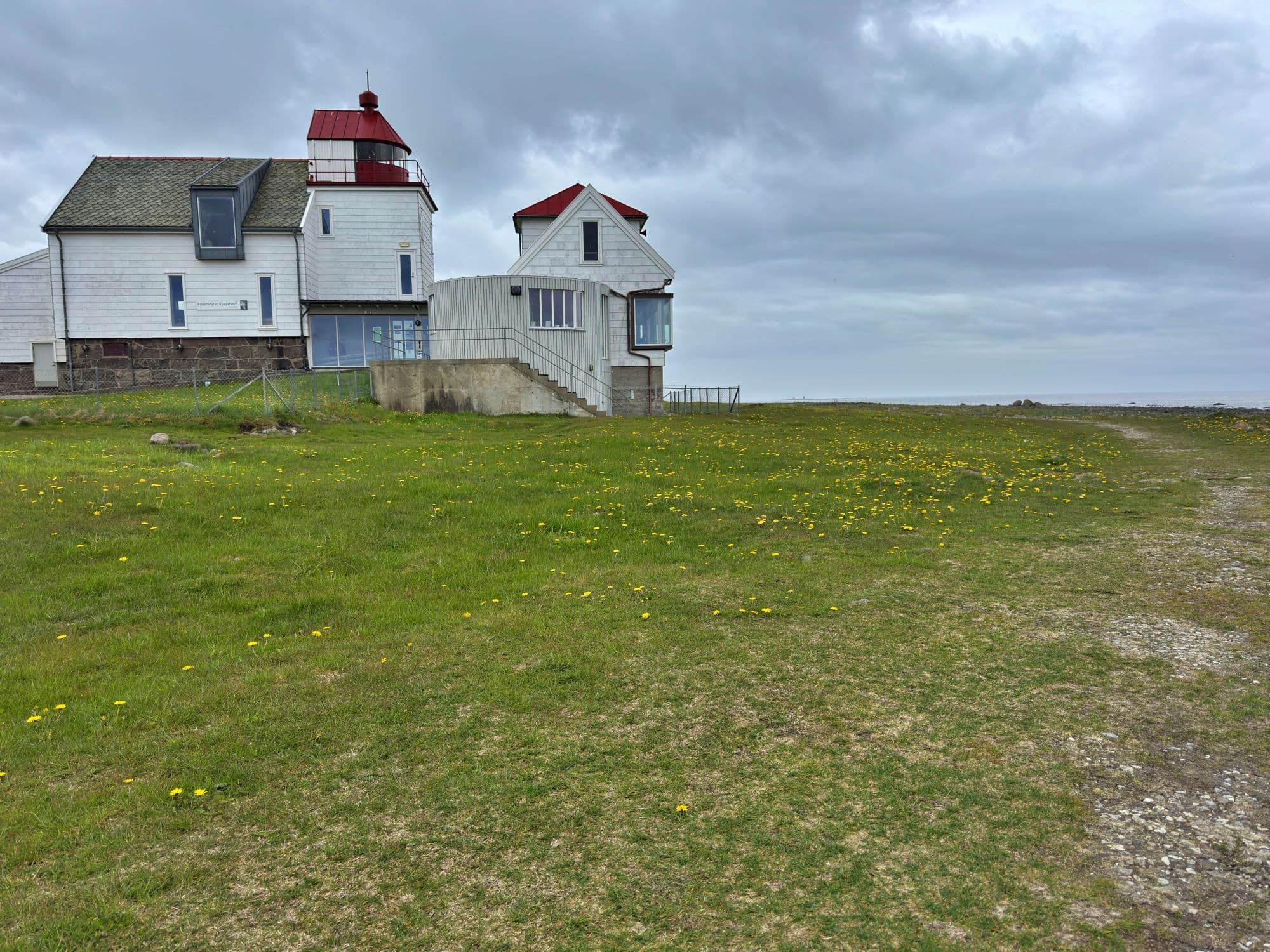
Further along the Jæren coast lies Kvassheim lighthouse, low and open towards the sea, surrounded by coastal scenery and rich birdlife. The air smells of the sea, while the soundscape is filled with gulls, waves breaking on the shore and the calls of the birds that make the area well known for birdwatching.
Designated accessible parking is available on a gravelled area a short distance from the lighthouse. From the parking area, access is through a wide gate and then across a firm surface with a thin layer of gravel towards the buildings. The entrance to the public area has step-free access via a ramp with a handrail. Towards the sea, there is a wide, solid nature trail with an even surface.
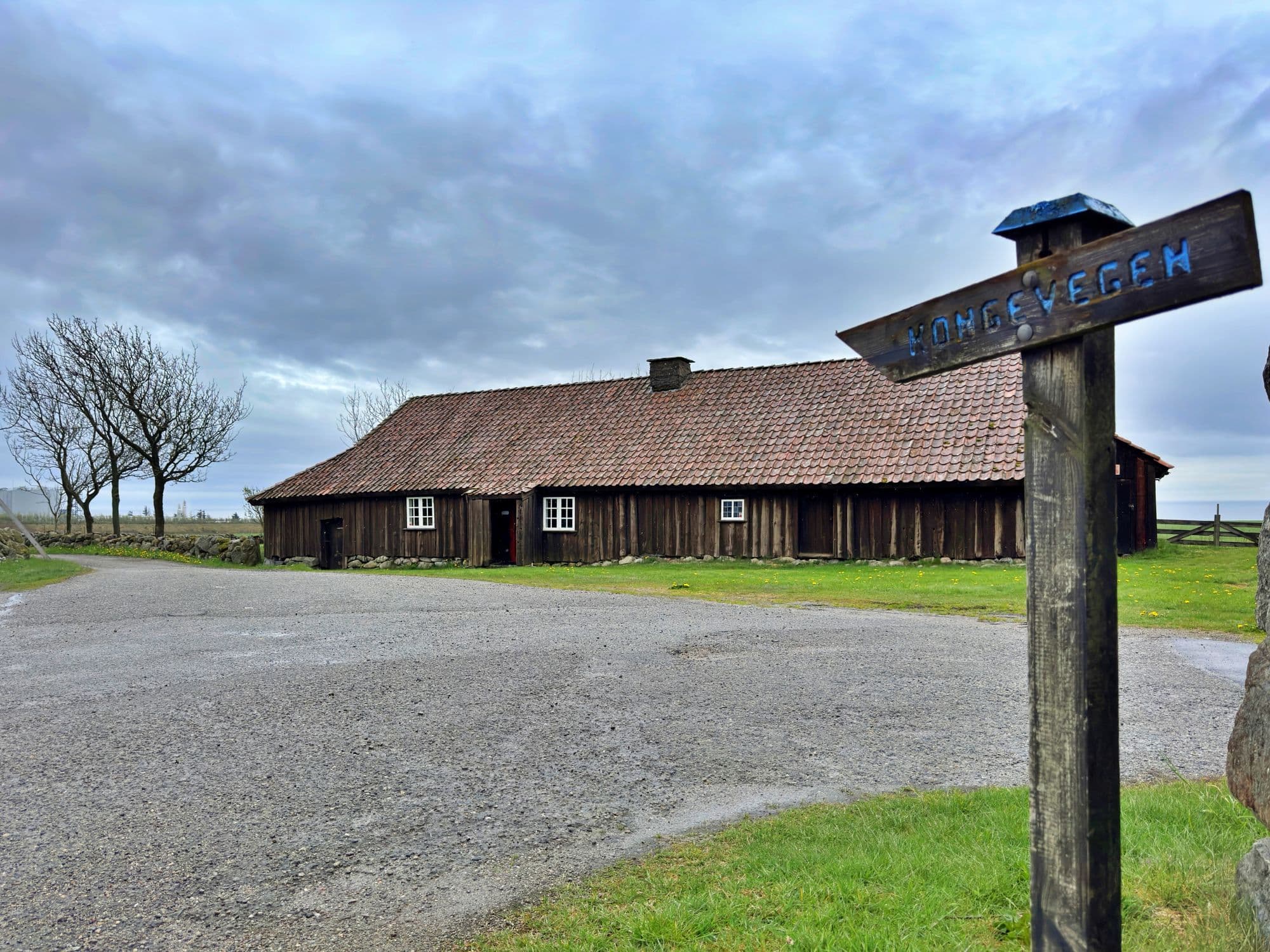
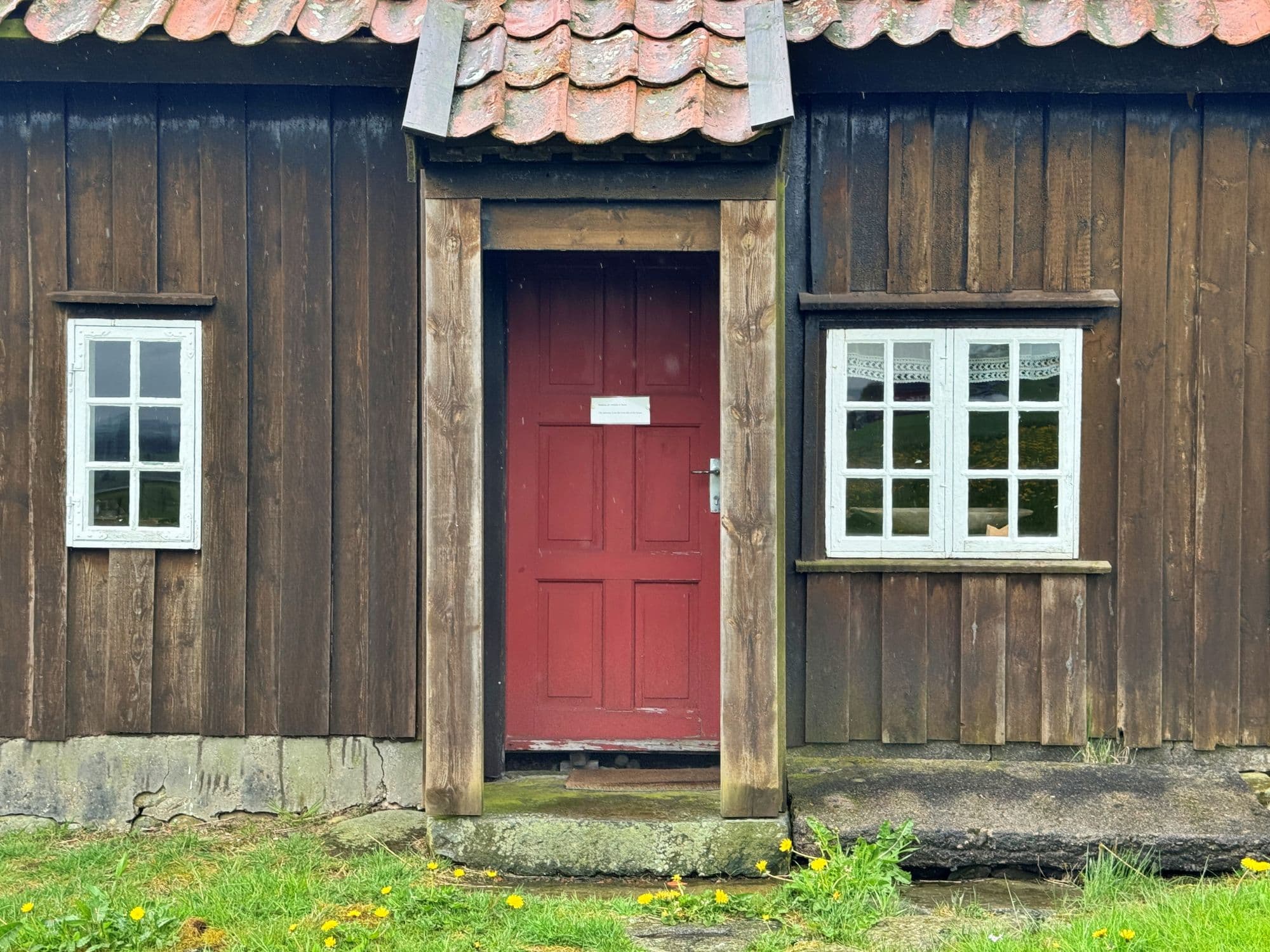
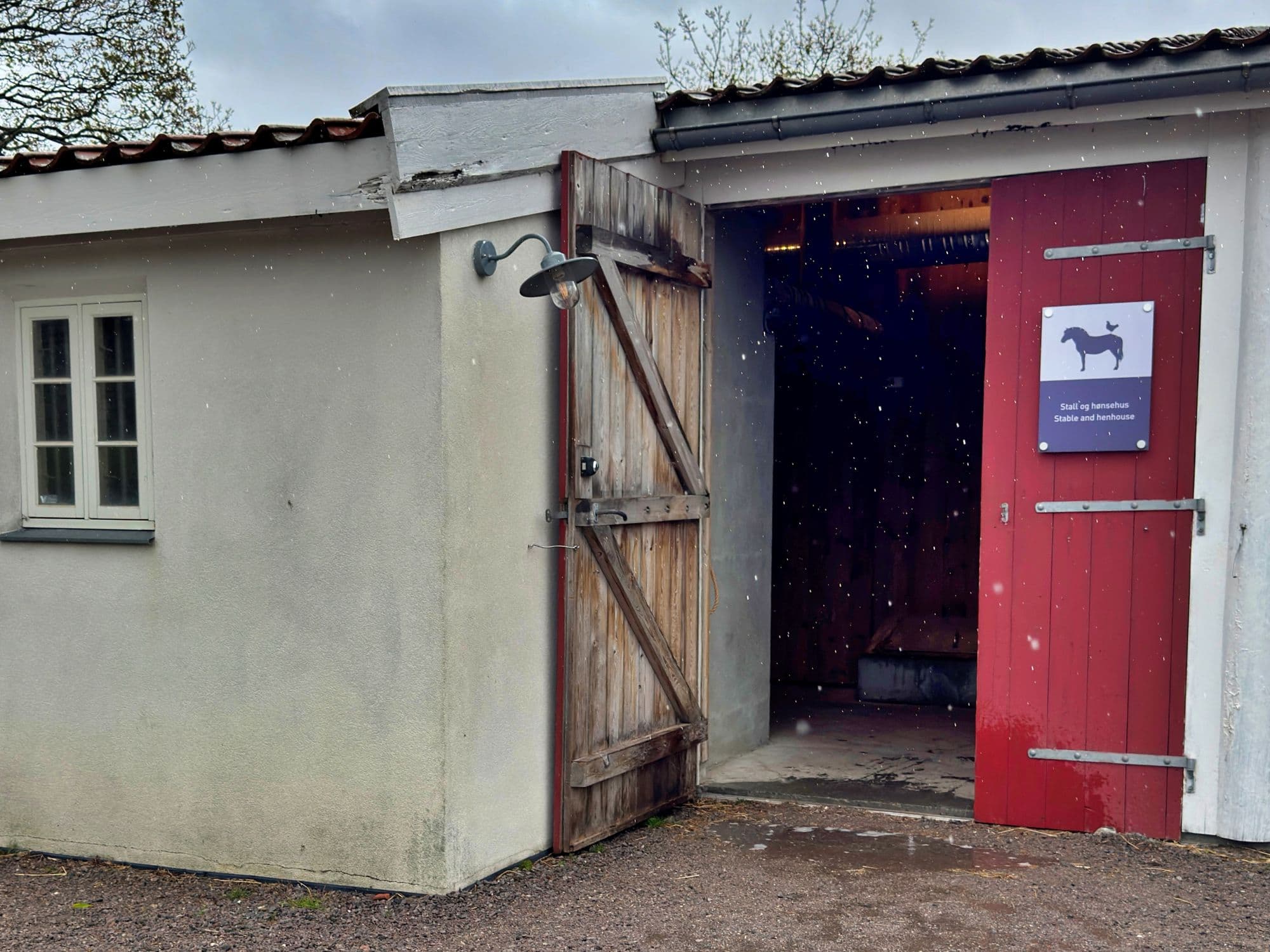
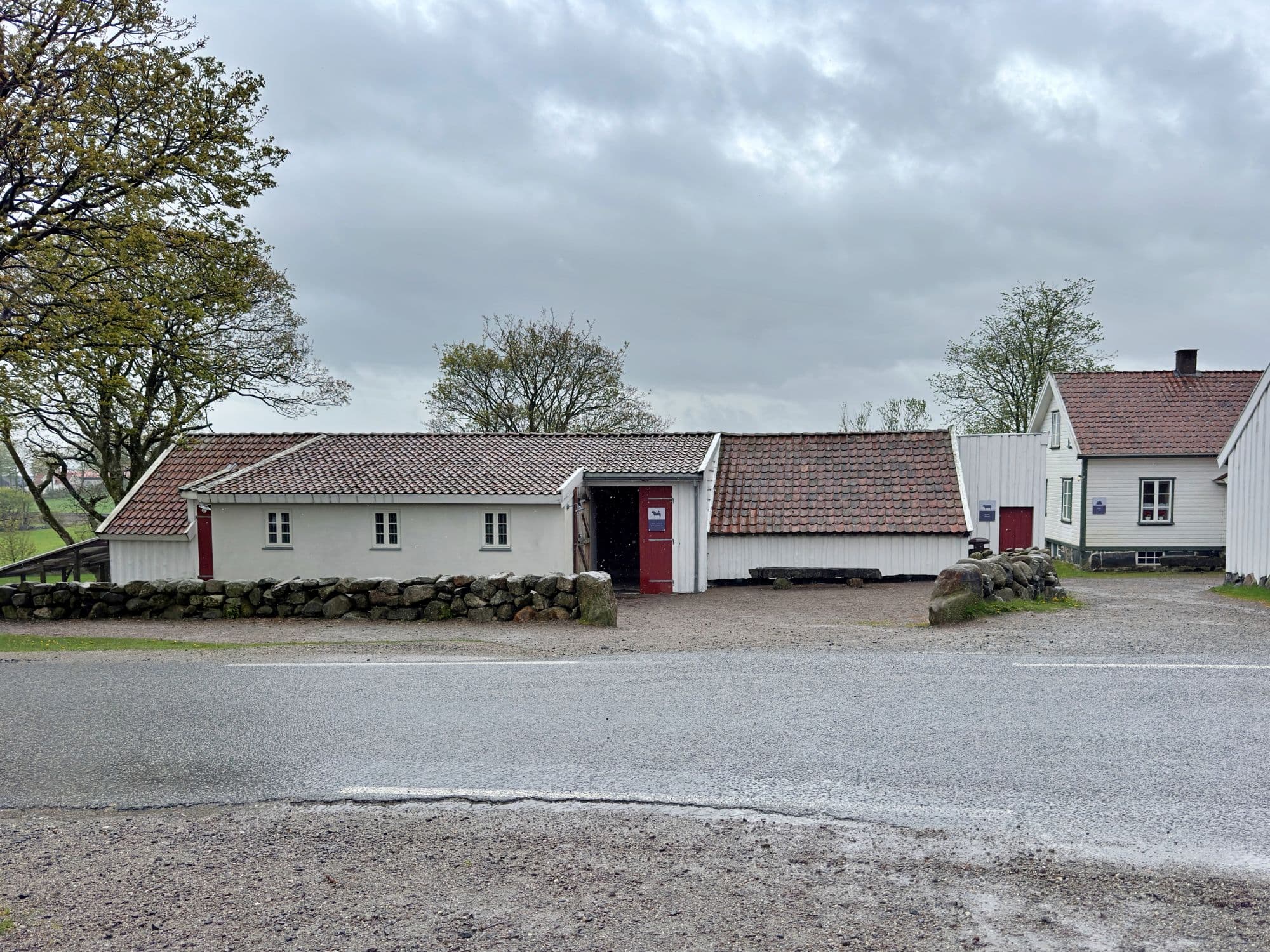
Grødalandstunet is one of the best-preserved farms in Rogaland, with five buildings standing as they were built in the 18th and 19th centuries. A visit here gives a close insight into life on a typical coastal farm in Jæren, where agriculture, livestock and resources from the sea were a natural part of daily life. The site also serves as a starting point for walks along the historic Kongevegen, or King's Road, from the 17th century, which follows the shoreline through the Jæren landscape.
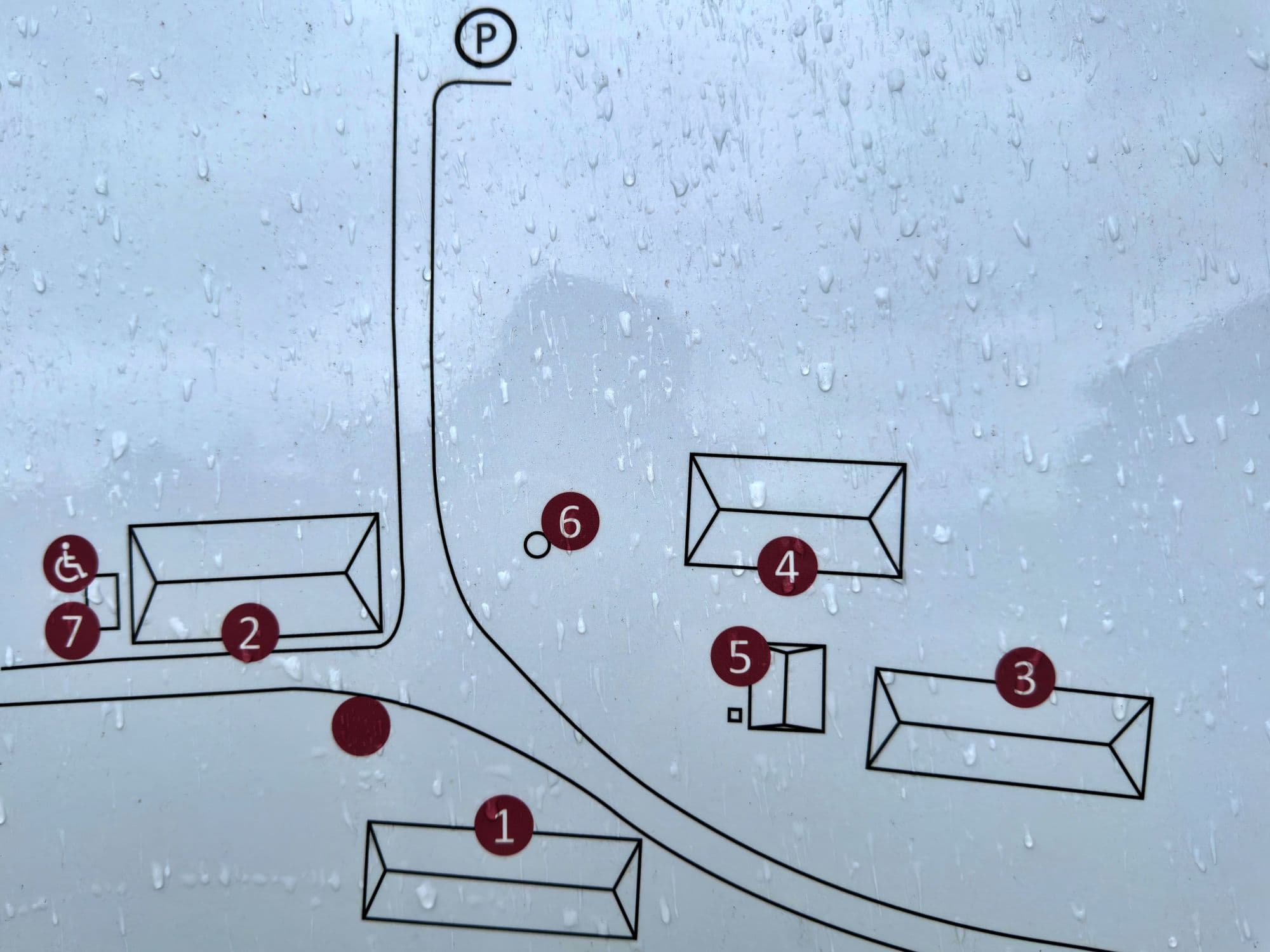
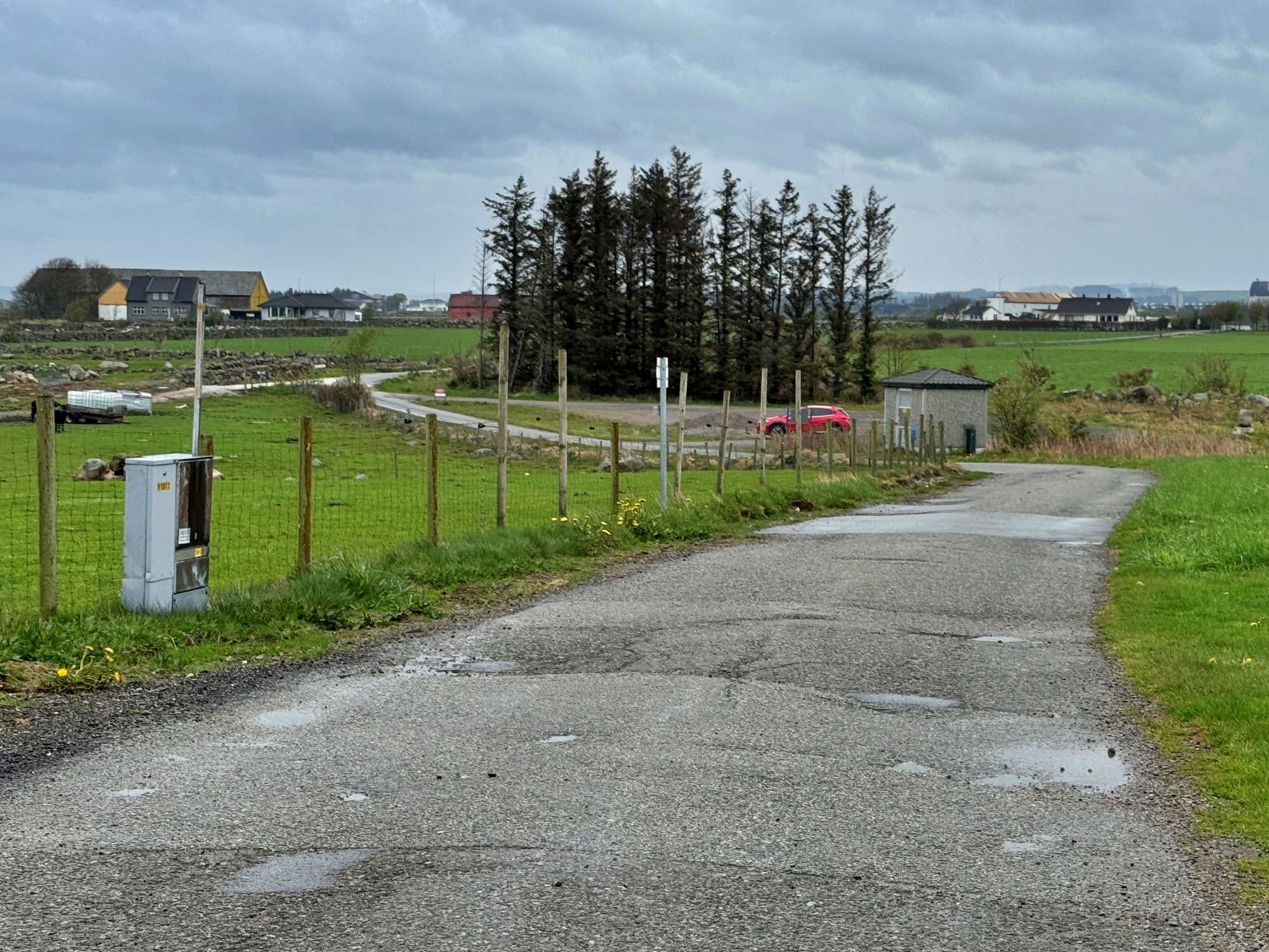
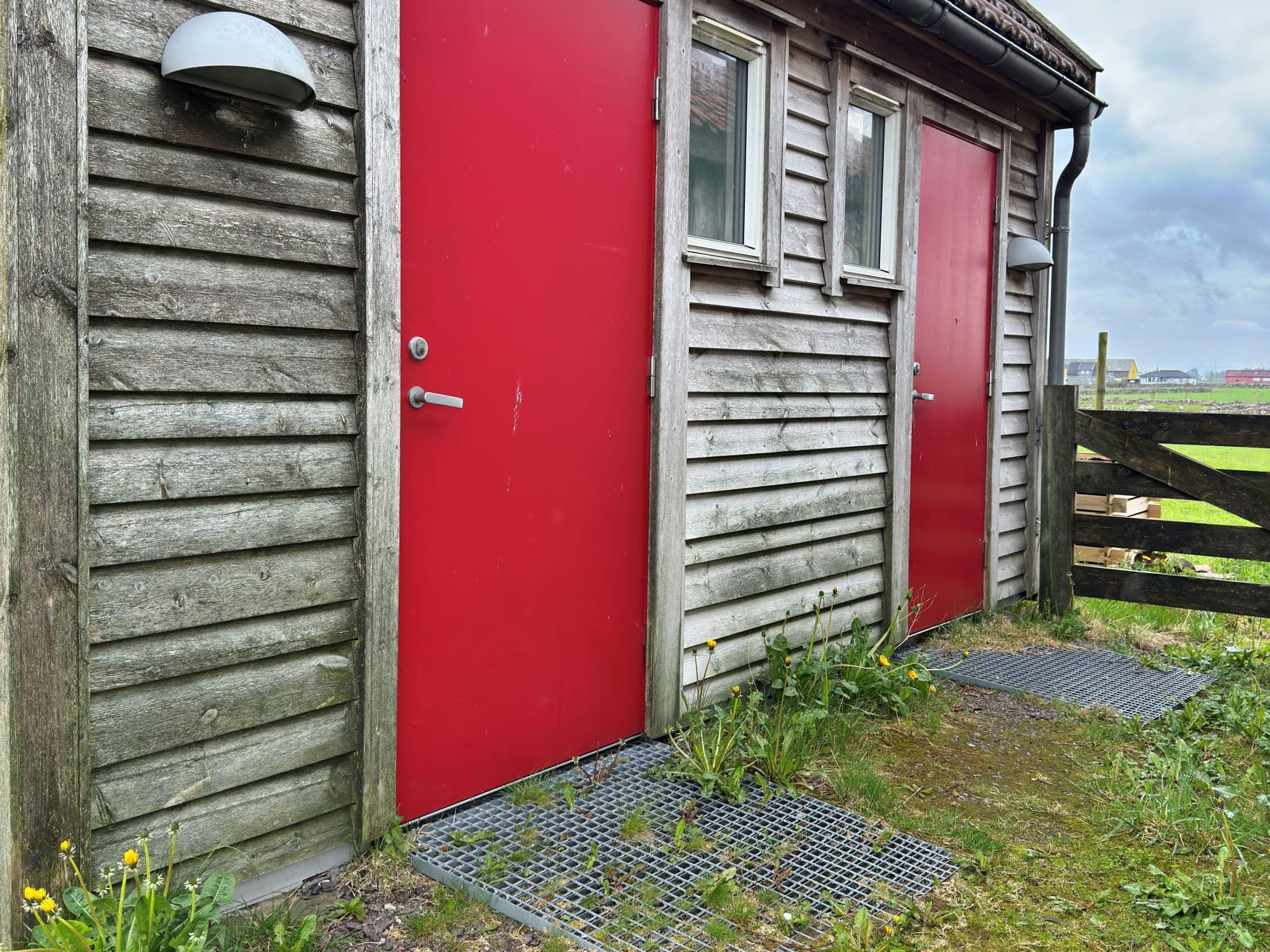
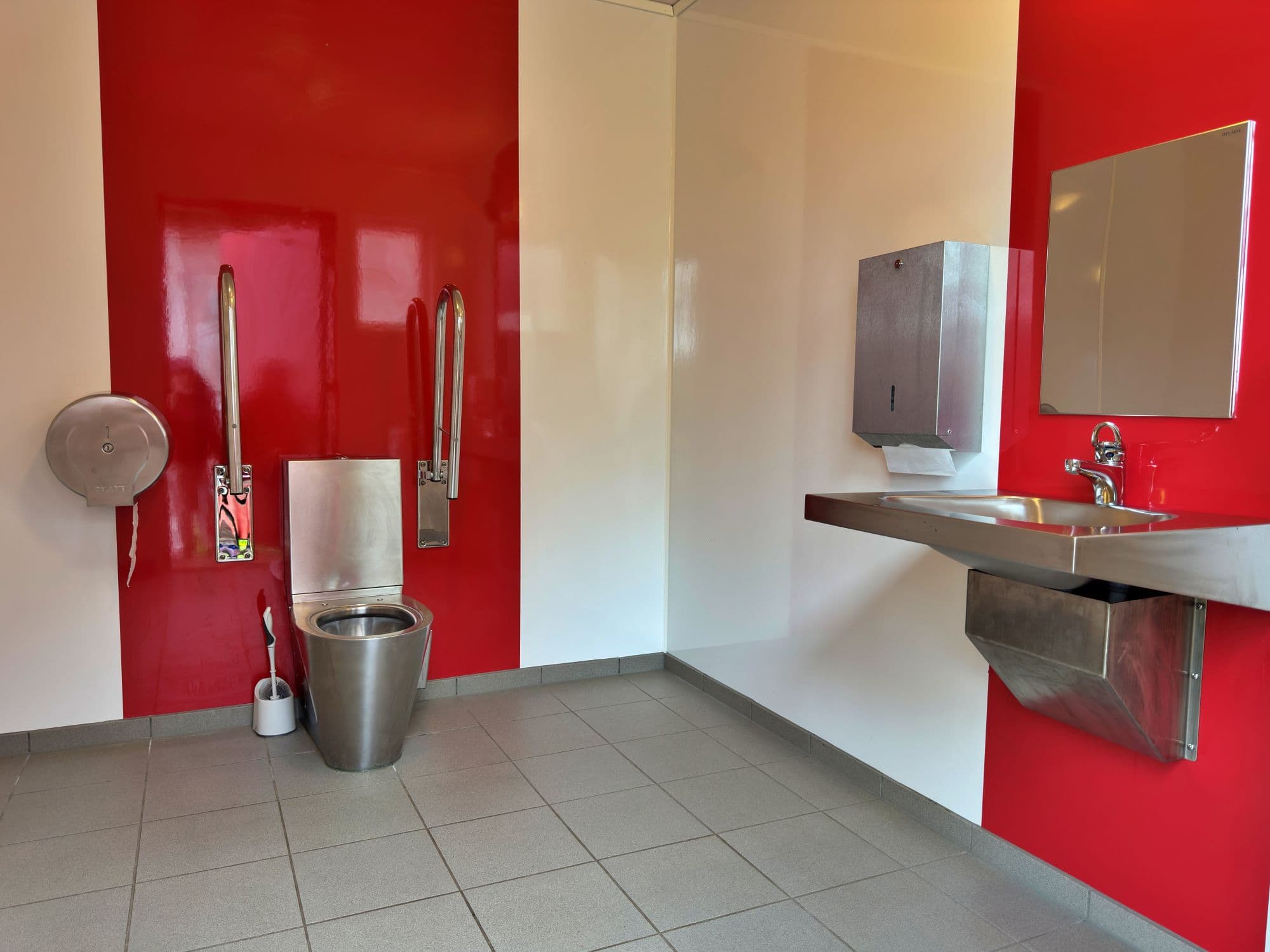
The car park is around 200 metres from the farmstead, with access up a paved road with a gentle incline. The farmstead itself is compact and easy to navigate, with a mixture of asphalt, firm grass and some uneven grassy sections. As at many historic farmsteads, the buildings often have high thresholds, narrow doors and steps at the entrances, but the outdoor area still gives a good impression of the buildings, the courtyard and how the farm was organised. There is a modern toilet building with an accessible toilet, and a bench close to the farmstead provides a place to rest after the uphill walk from the car park.
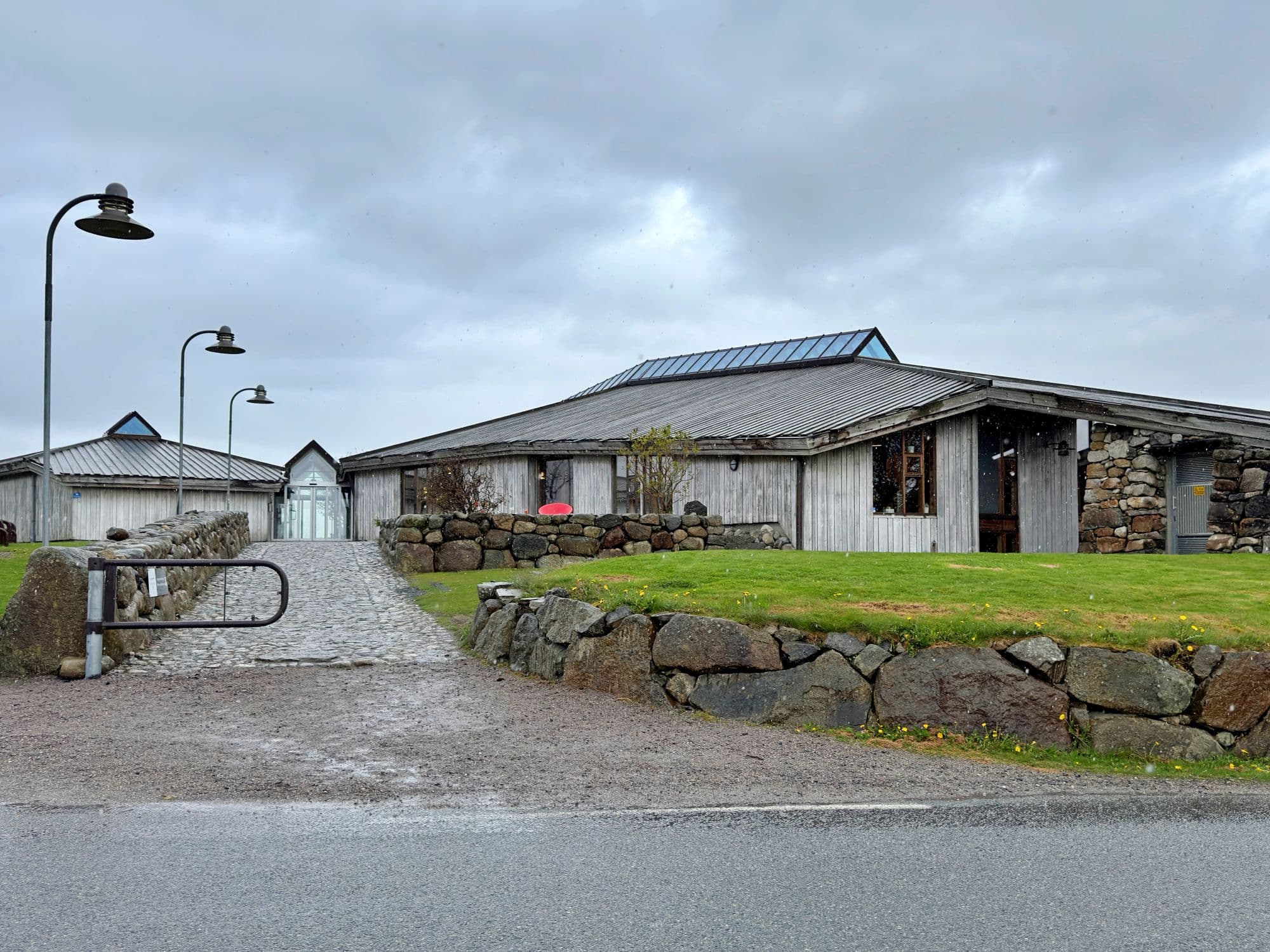
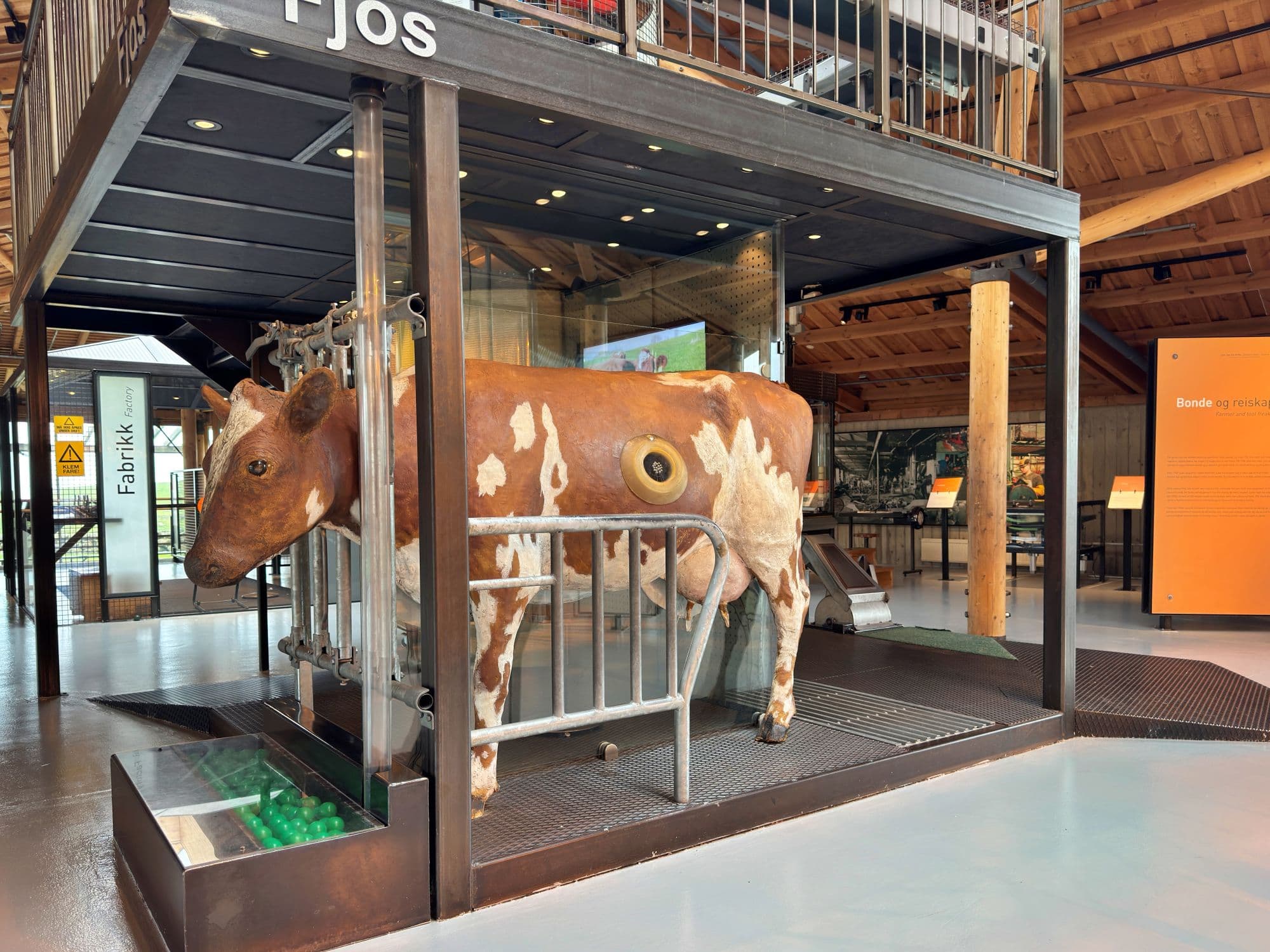
Vitengarden offers a modern and interactive introduction to agriculture, food production, technology and nature, with exhibitions in the main building and a farm environment on the other side of the road.
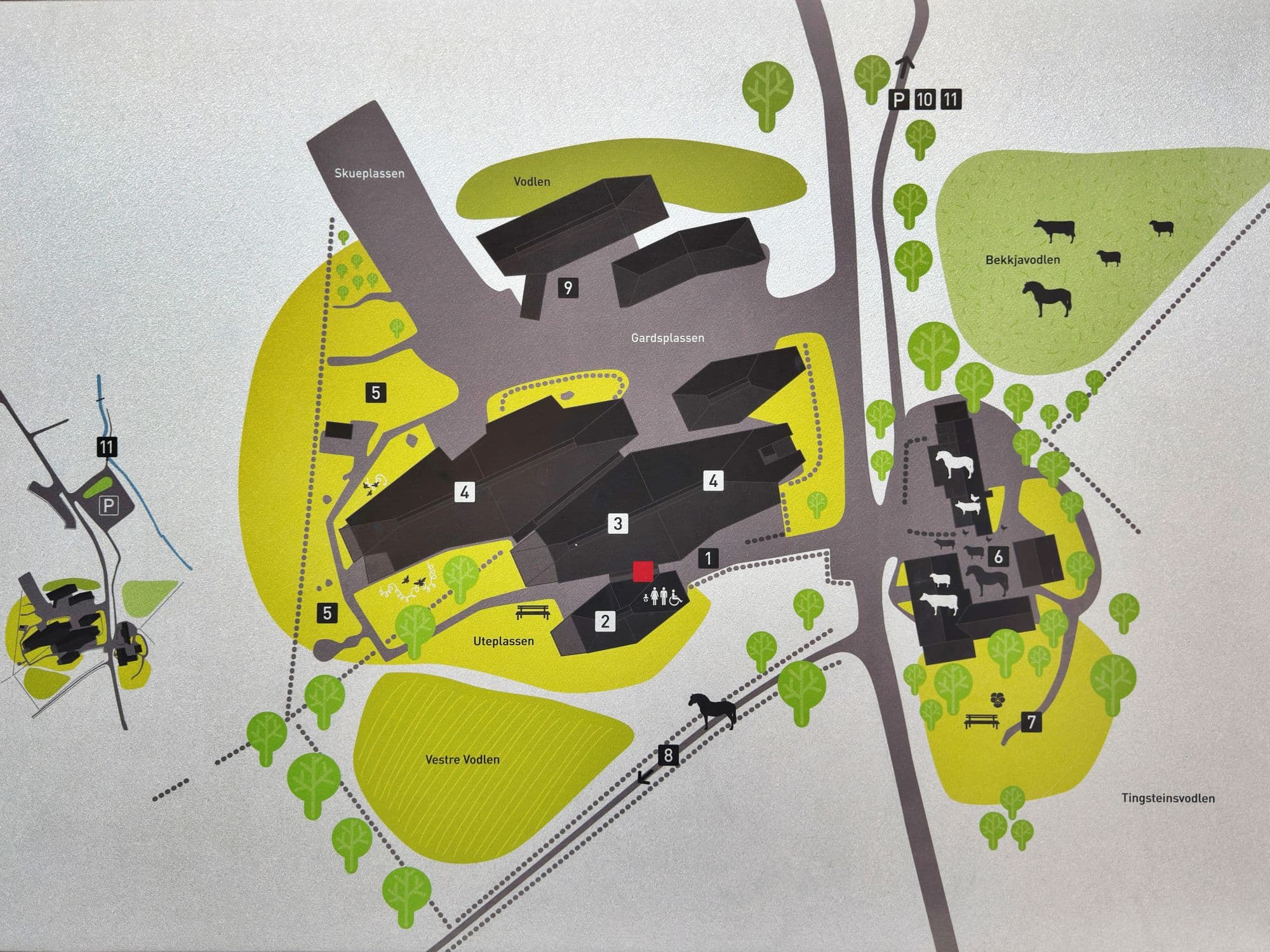
From the main car park, it is around 70 metres up a wide gravel road to the entrance, but vehicles with an accessible parking permit can drive around 50 metres further up to the museum's private courtyard and park in a designated accessible space. The museum entrance includes a section of uneven cobblestones, while the rest of the museum is largely step-free, with a lift between floors. The exception is one exhibition that, at the time of the visit, was being adapted to make it accessible to everyone. Indoors, there are large, open spaces, but the museum could have more resting benches throughout the exhibitions. It is still possible to take a break in the café or outside, where there are benches and tables. The museum also has an accessible toilet.
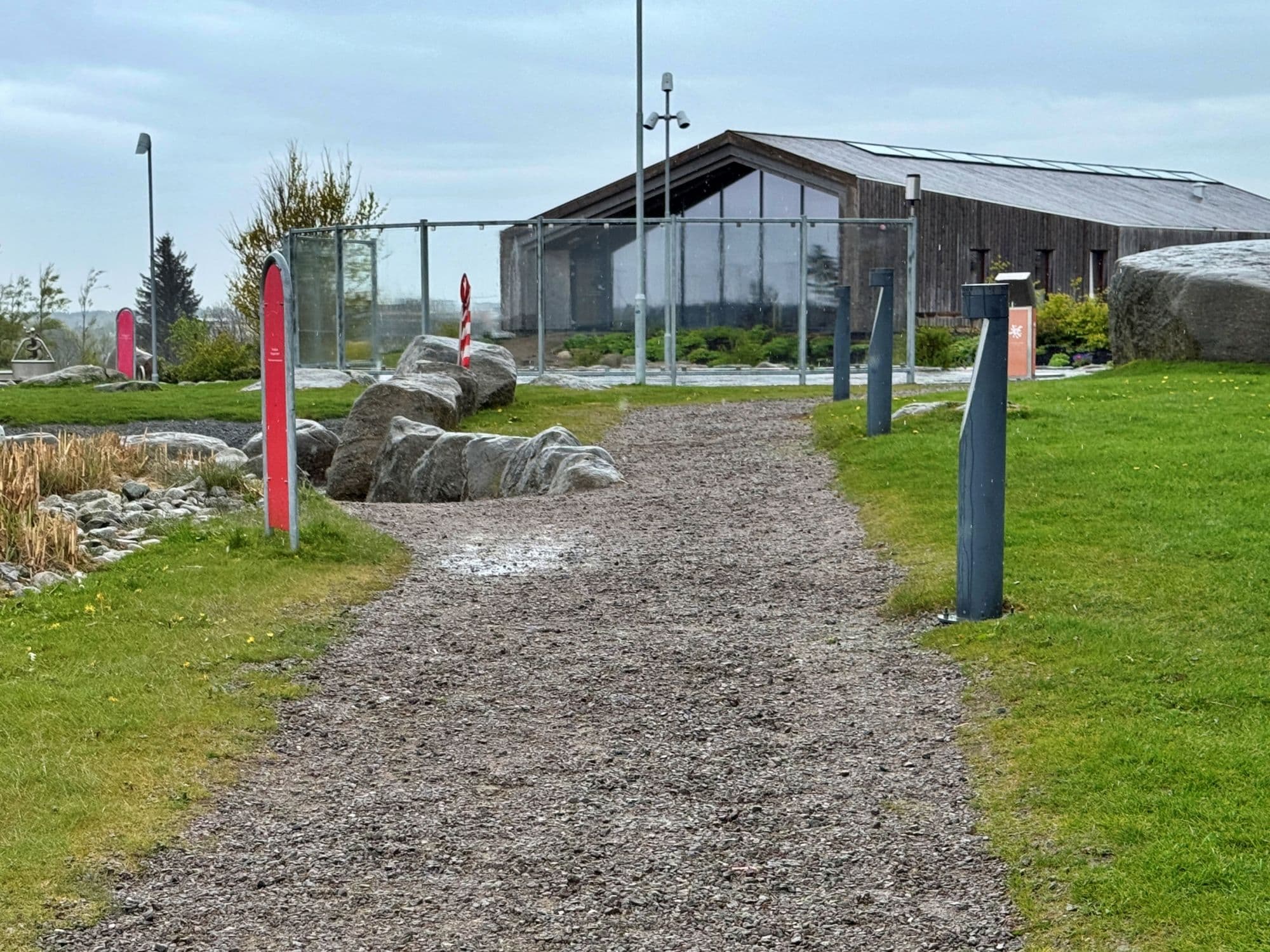
The animal visits take place on the other side of the road. One of the entrances to the area with cows and sheep has a high step, while chickens, horses and pigs can be visited via step-free access. To reach the area where visitors can jump in the hay, there is a short but steep barn ramp. For the full visit, visitors should expect a total moving distance of just over one kilometre. Around the back of the museum, there are wide paths with sand and deep gravel, which can be difficult to roll across.
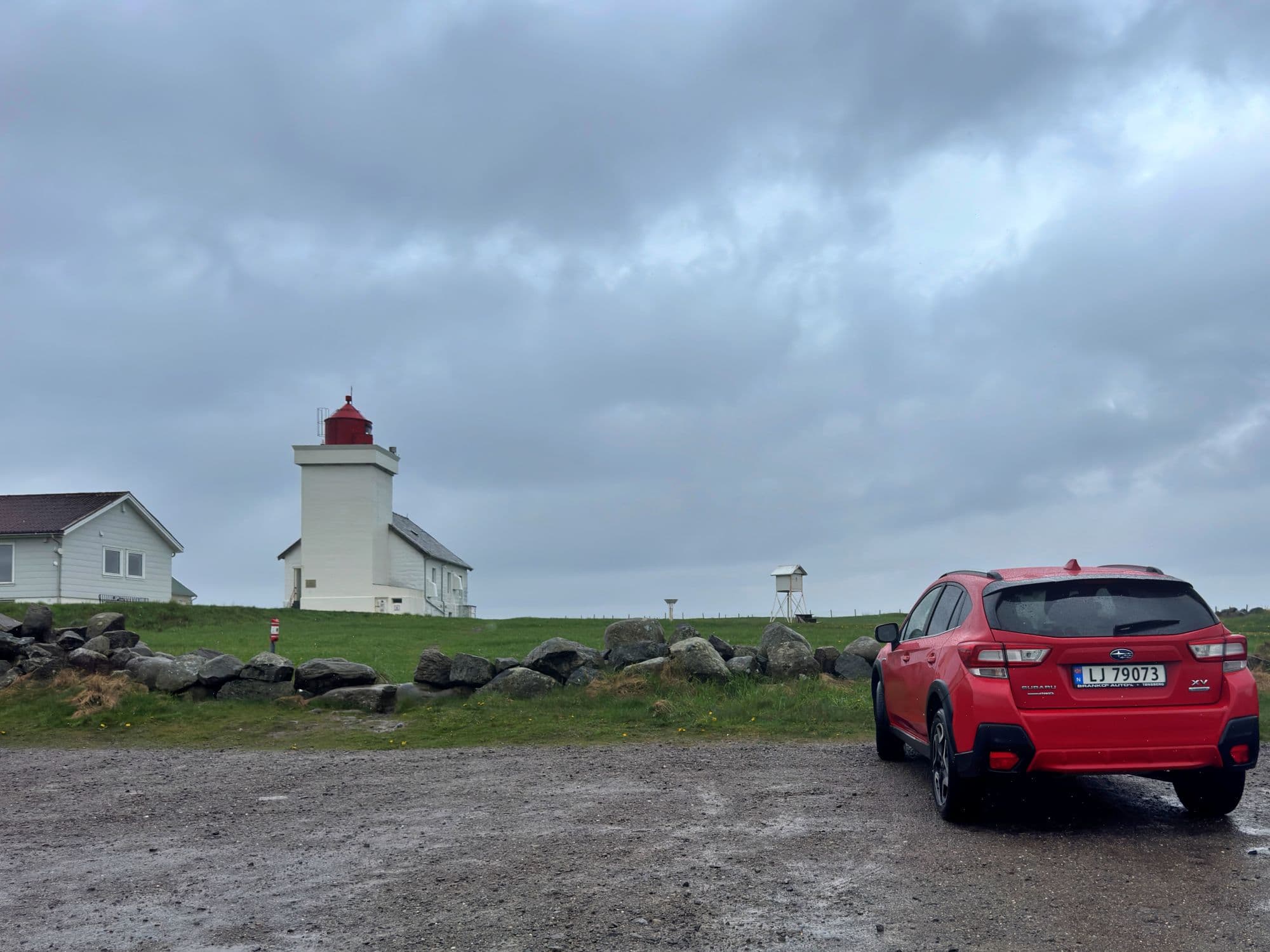
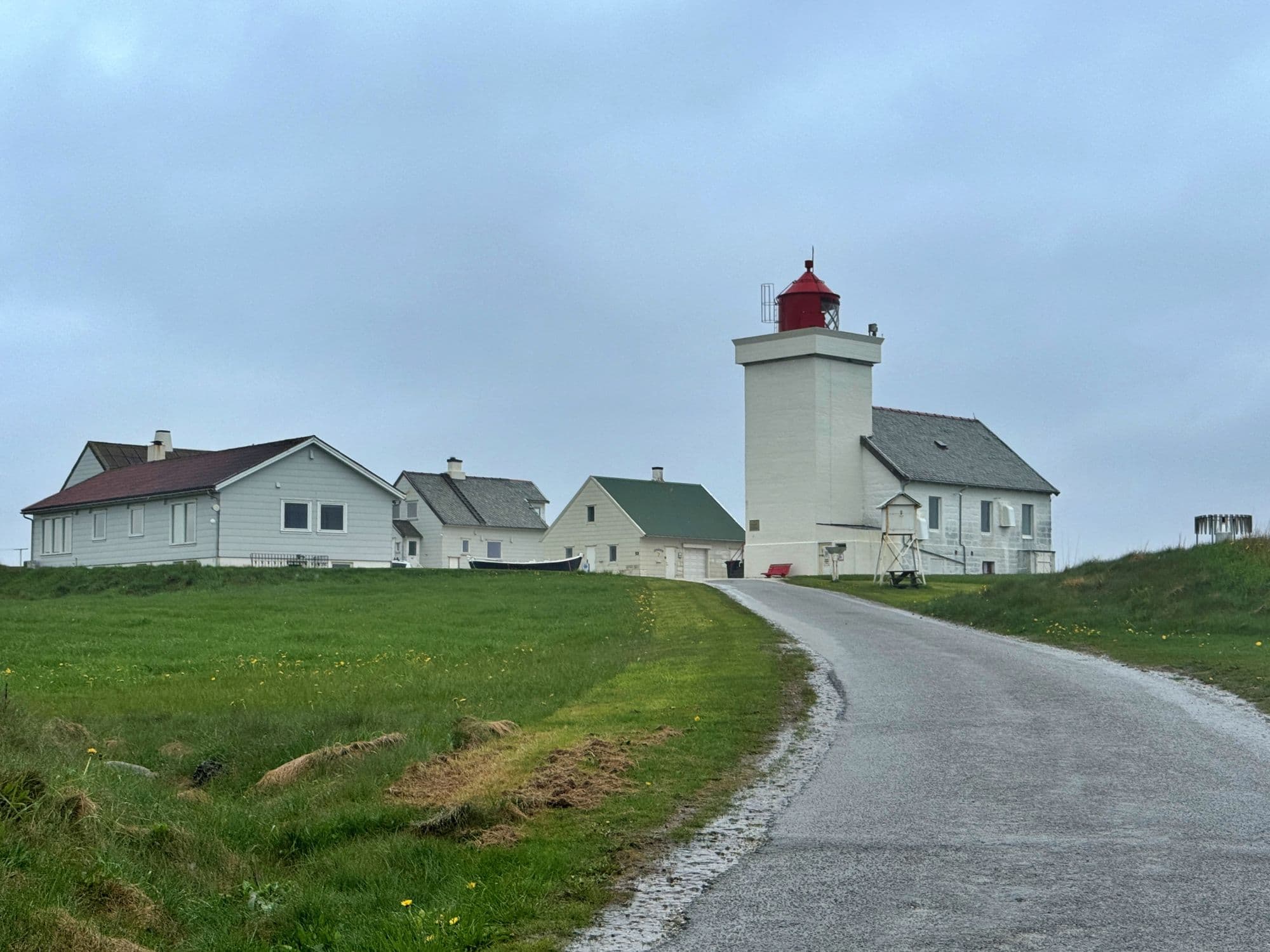
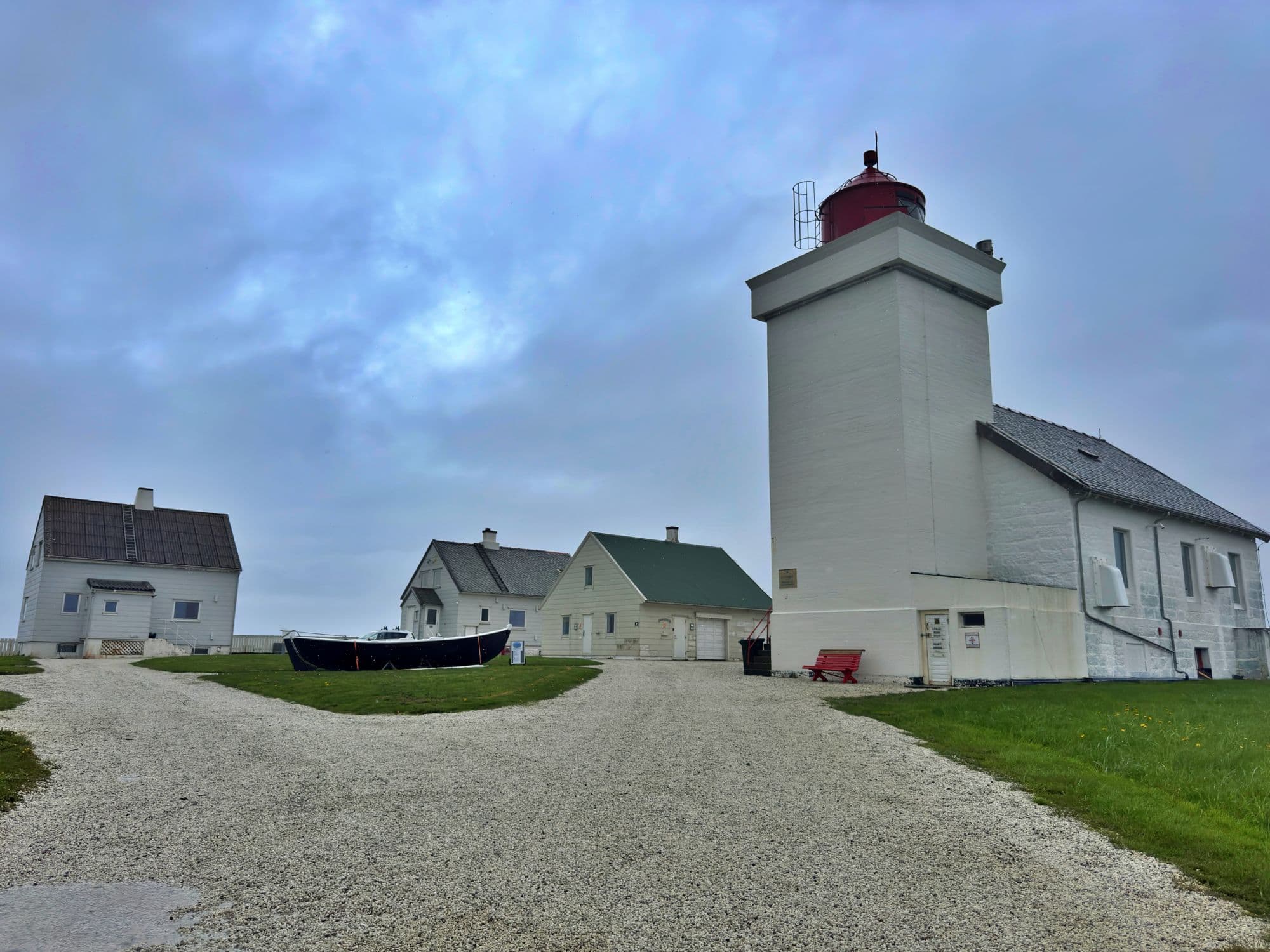
Continuing west, Obrestad lighthouse sits high and exposed, with views over the sea and the surrounding farmland. From the car park, it is around 30 metres along a paved road with a gentle incline to the area around the lighthouse. It is best to follow the road rather than take shortcuts across the grass, as the grassy areas are soft, uneven and used by grazing animals.
Large parts of the outdoor area by the lighthouse are covered in coarse white gravel. It gives the site an attractive appearance, but the surface can be difficult to roll across and more demanding to walk on than a firm surface. There are benches in the area, but the fences around the property are relatively high, which makes it difficult to see the sea from a seated position. To enter the building by the lighthouse, there are nine steps, with a handrail on one side.
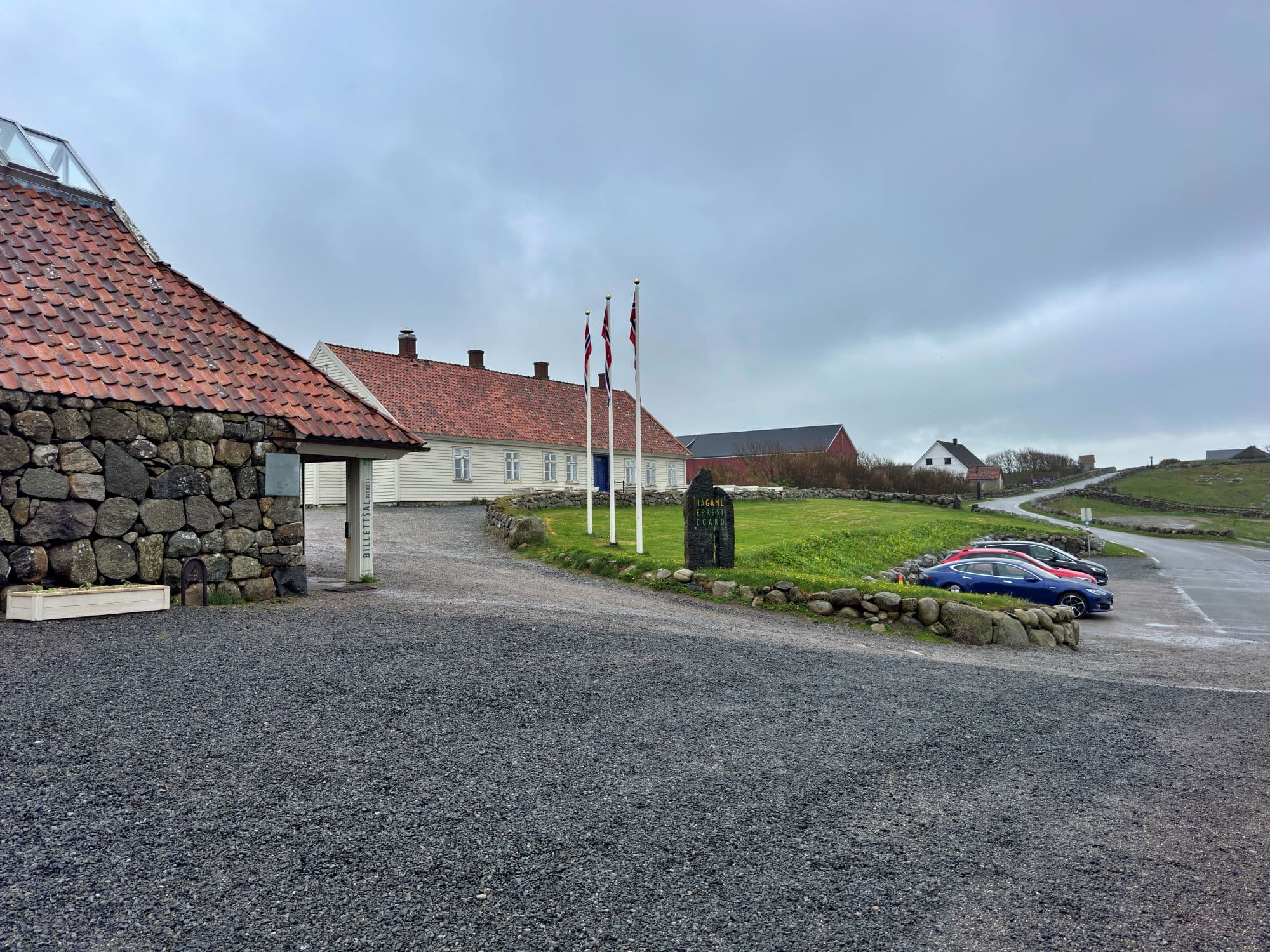
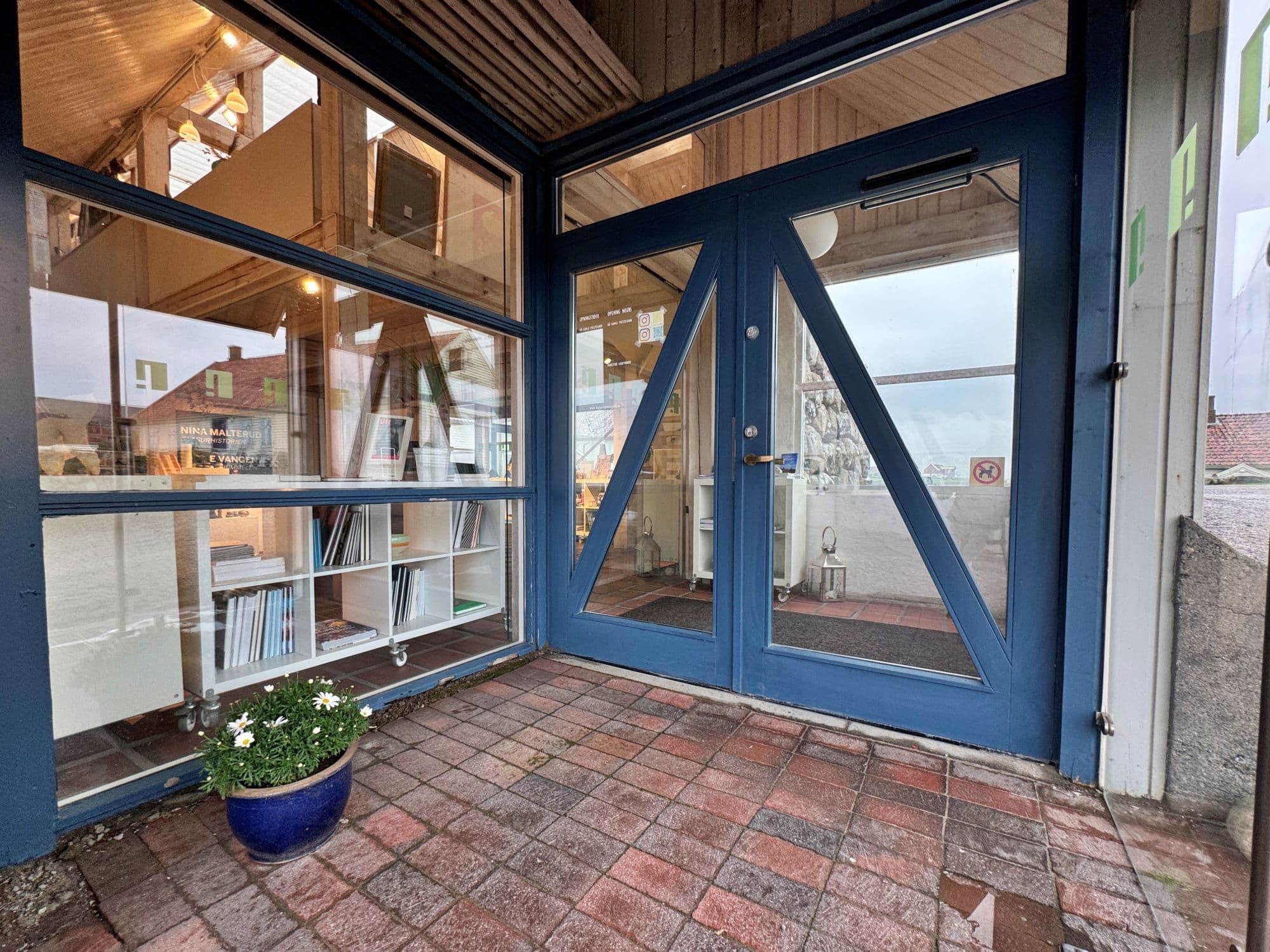
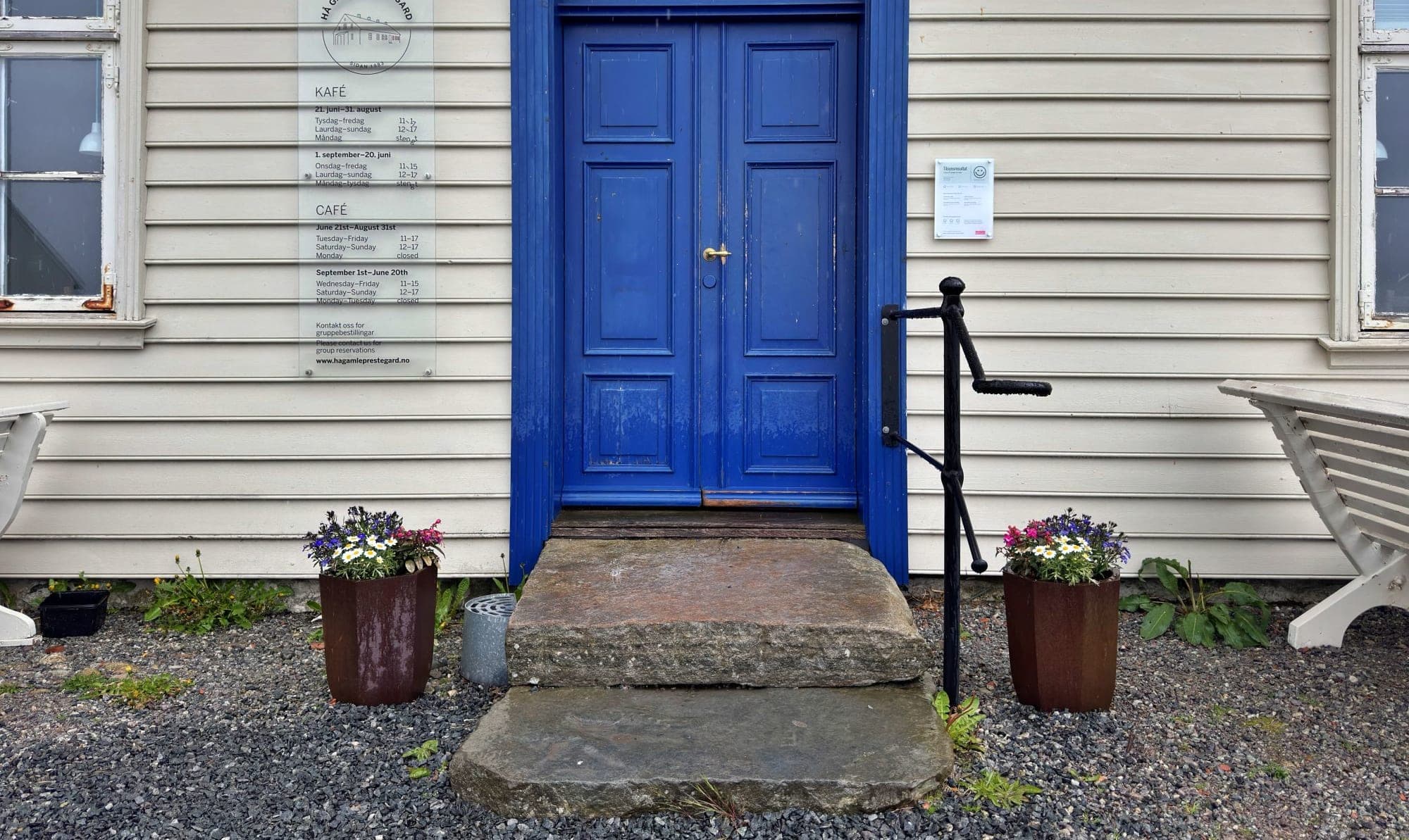
Hå Old Vicarage (Hå gamle prestegård) lies close to the sea and has a distinctive sense of calm. Here, art, cultural history, café and natural scenery come together. The car park is close to the buildings, but access is via a short uphill section covered in gravel. The outdoor area has several gravel sections, including deep gravel outside the main building where the café is located, and the entrance has a couple of steps. The other exhibition buildings have step-free access or low thresholds.
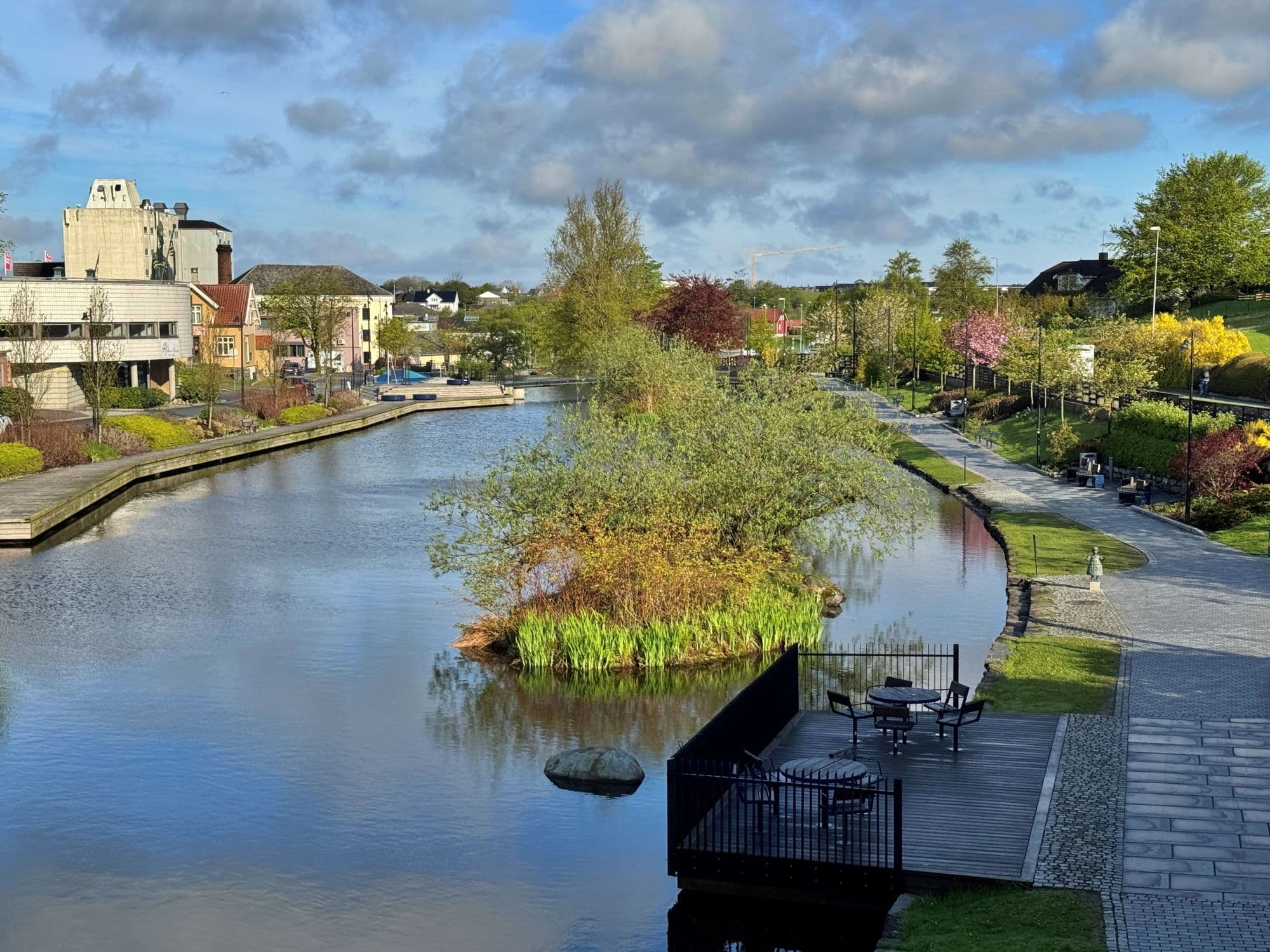
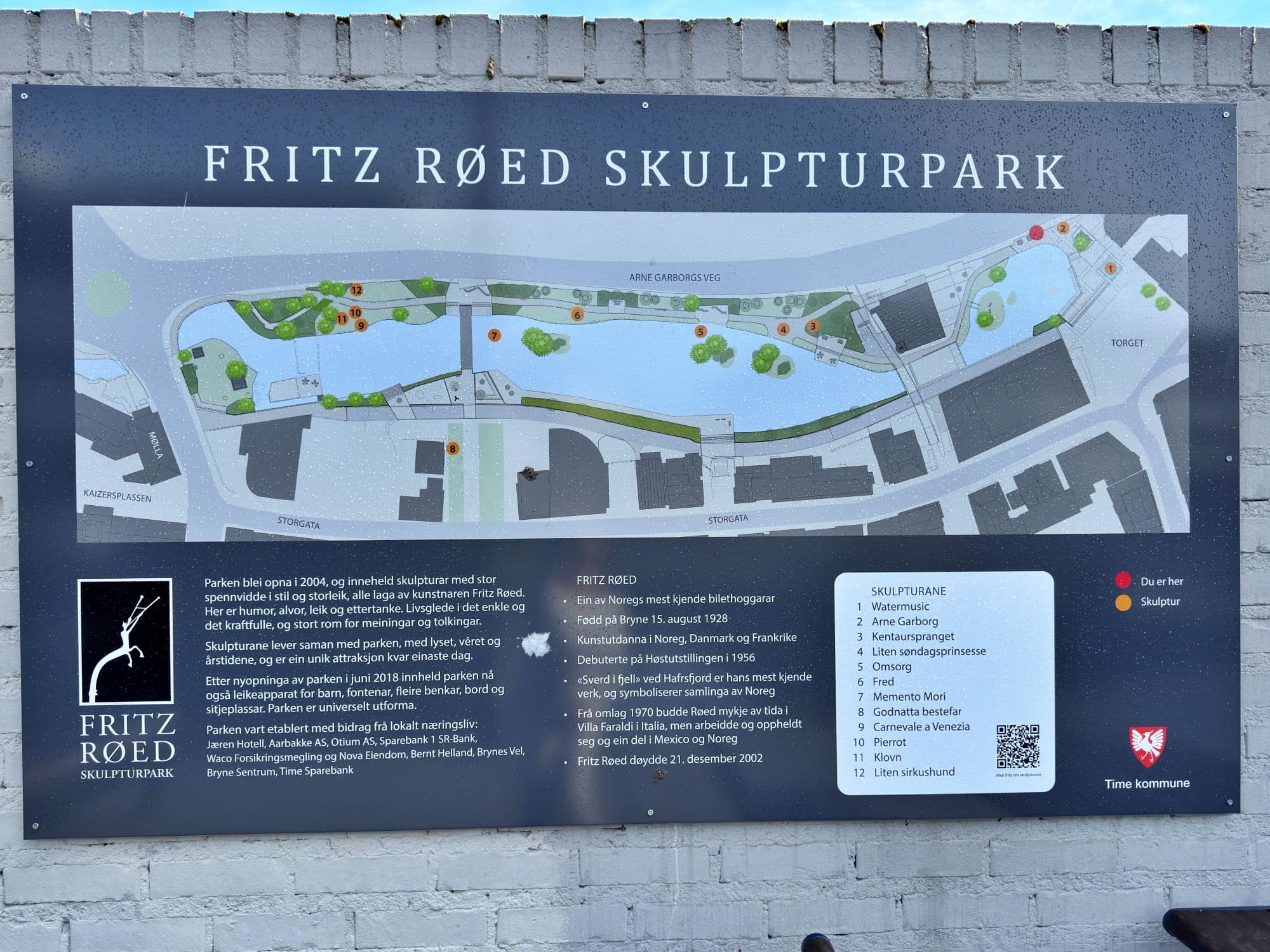
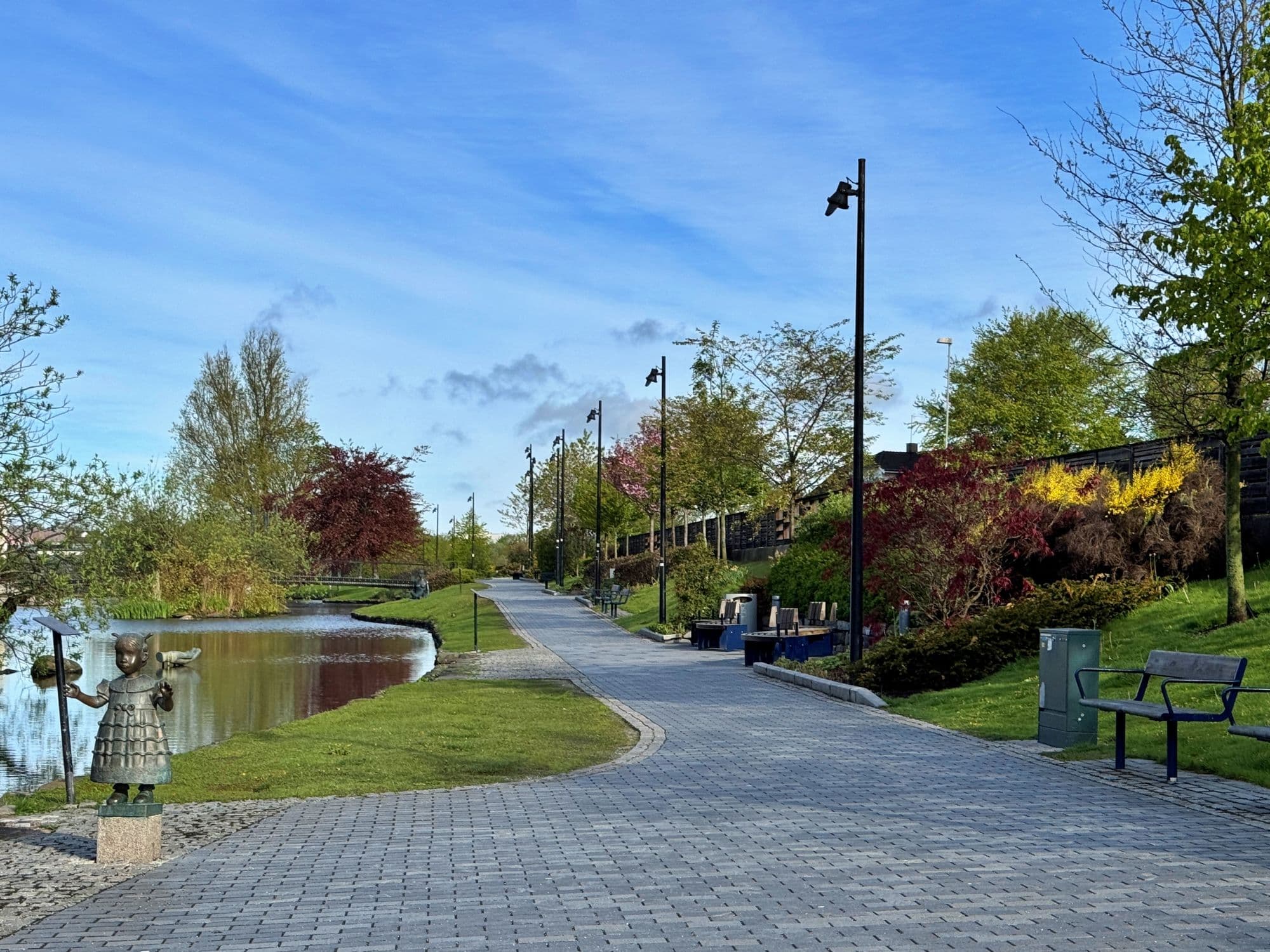
In Bryne, Fritz Røed Sculpture Park offers an easy-to-access cultural experience in the middle of the town centre. The park lies along a narrow river, with sculptures placed on both sides of the walkway. The area is flat, wide and easy to move through, with a firm surface and benches along the way. It can be useful to park by the playground marked on Google Maps and cross the flat bridge over the water from there. From the bridge, it is around 350 metres through the park to where the walkway ends at the town square.
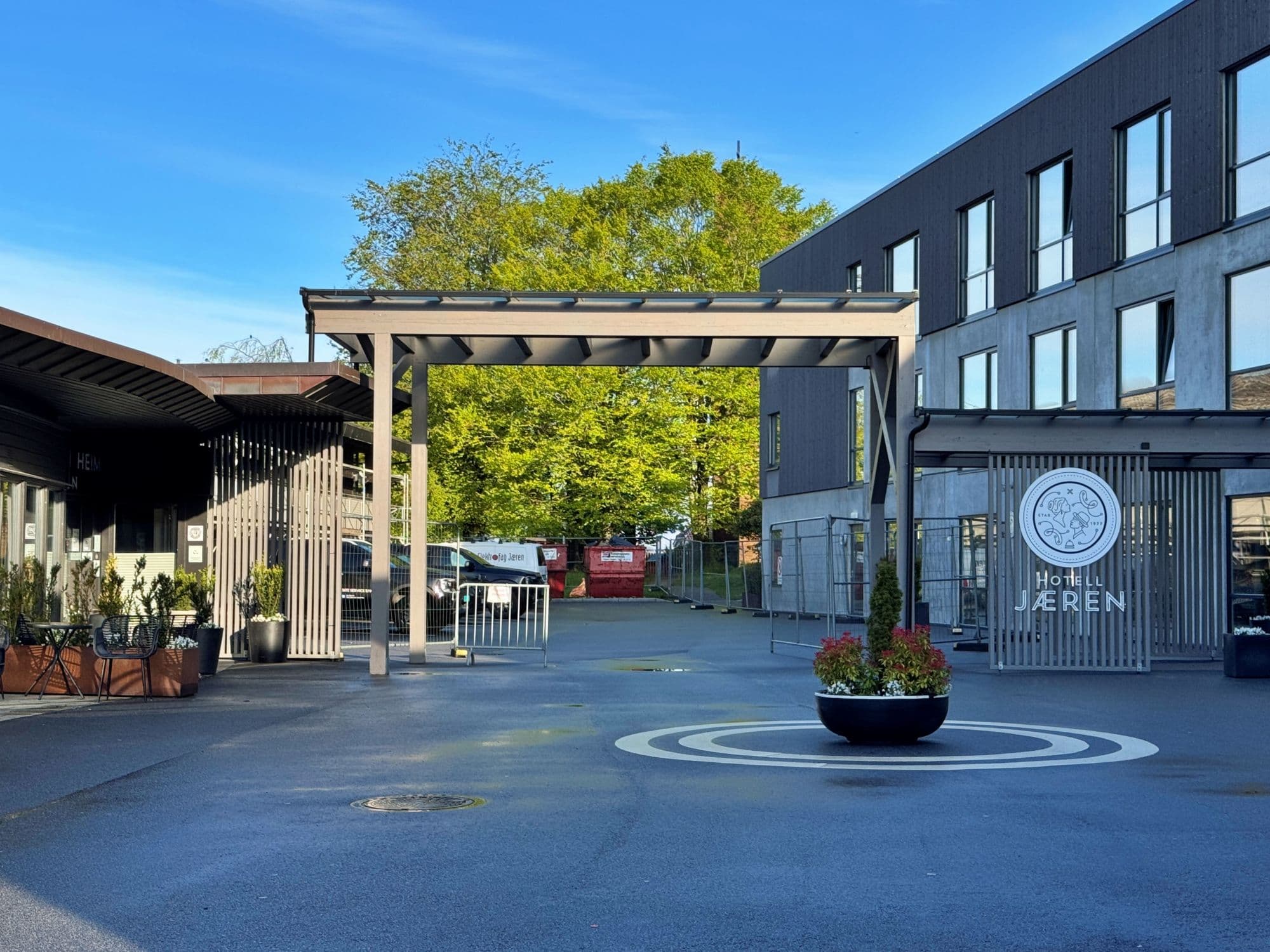
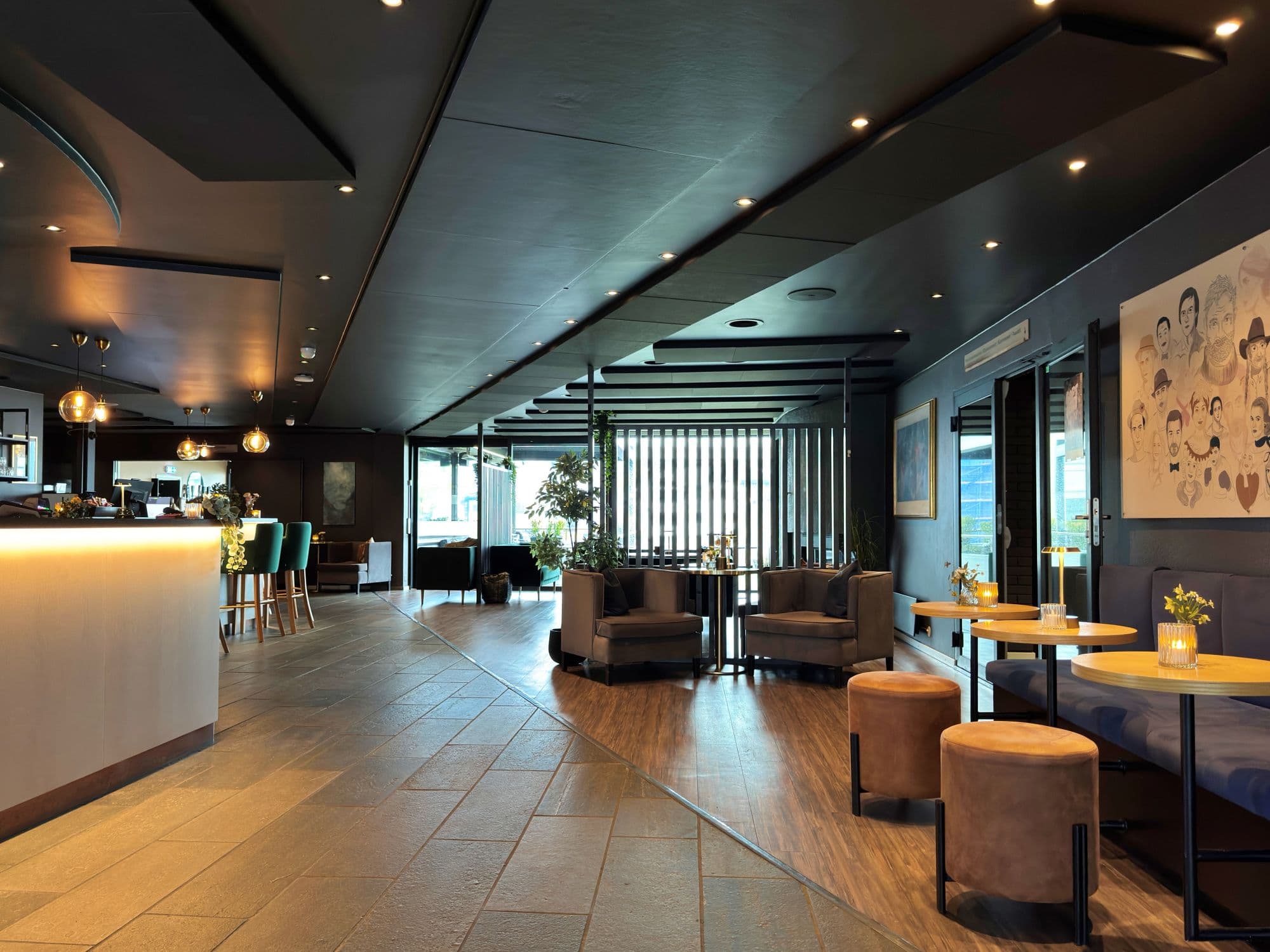
Hotel Jæren is an elegant hotel in Bryne, with beautiful communal areas, large windows and views towards the town centre, which is around 200 metres away via a step-free bridge. The building is divided into two sections, with reception, bar and restaurant in one and the bedrooms in the other. The distance between the two is short and runs outdoors beneath a covered section.
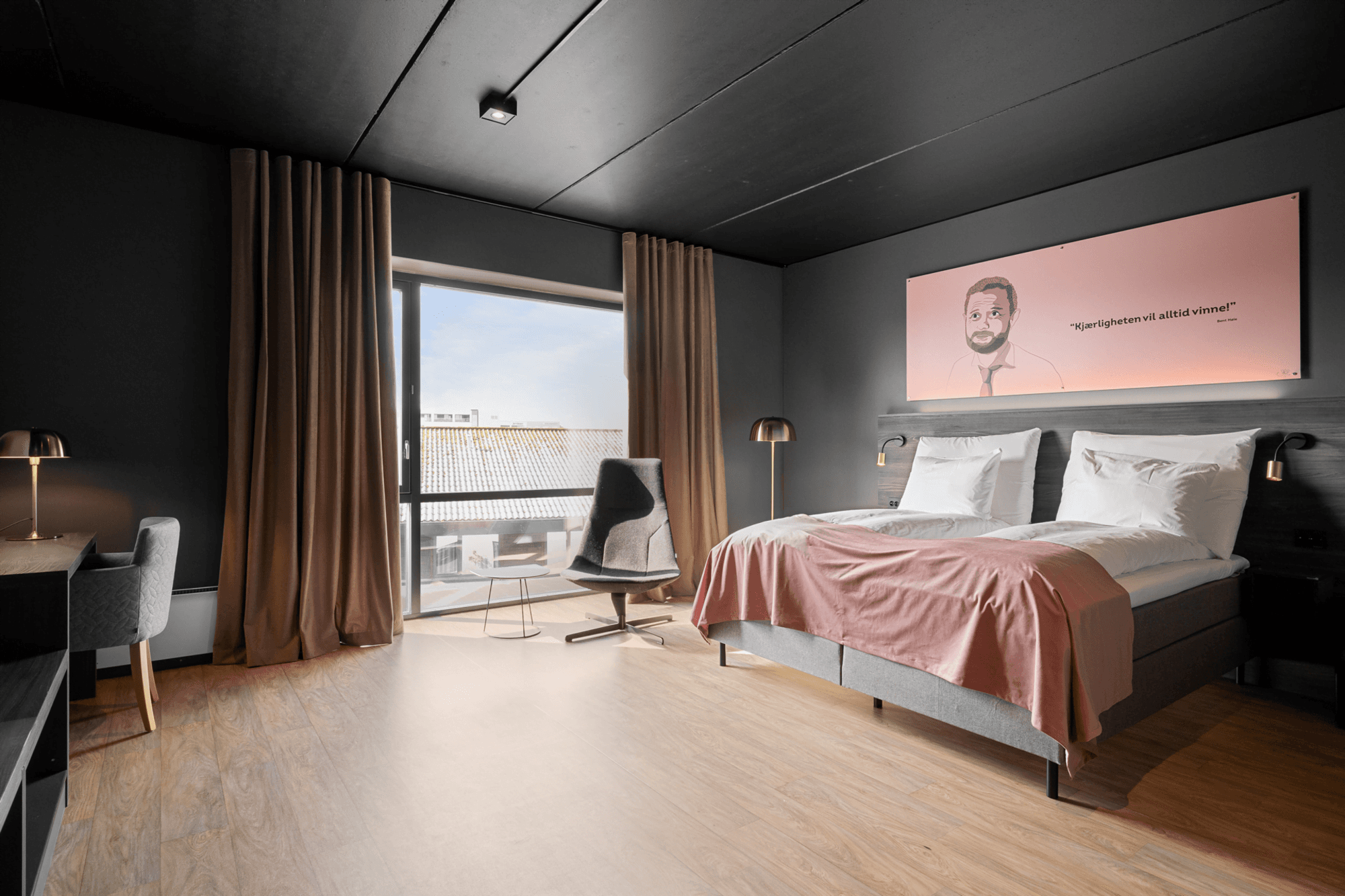
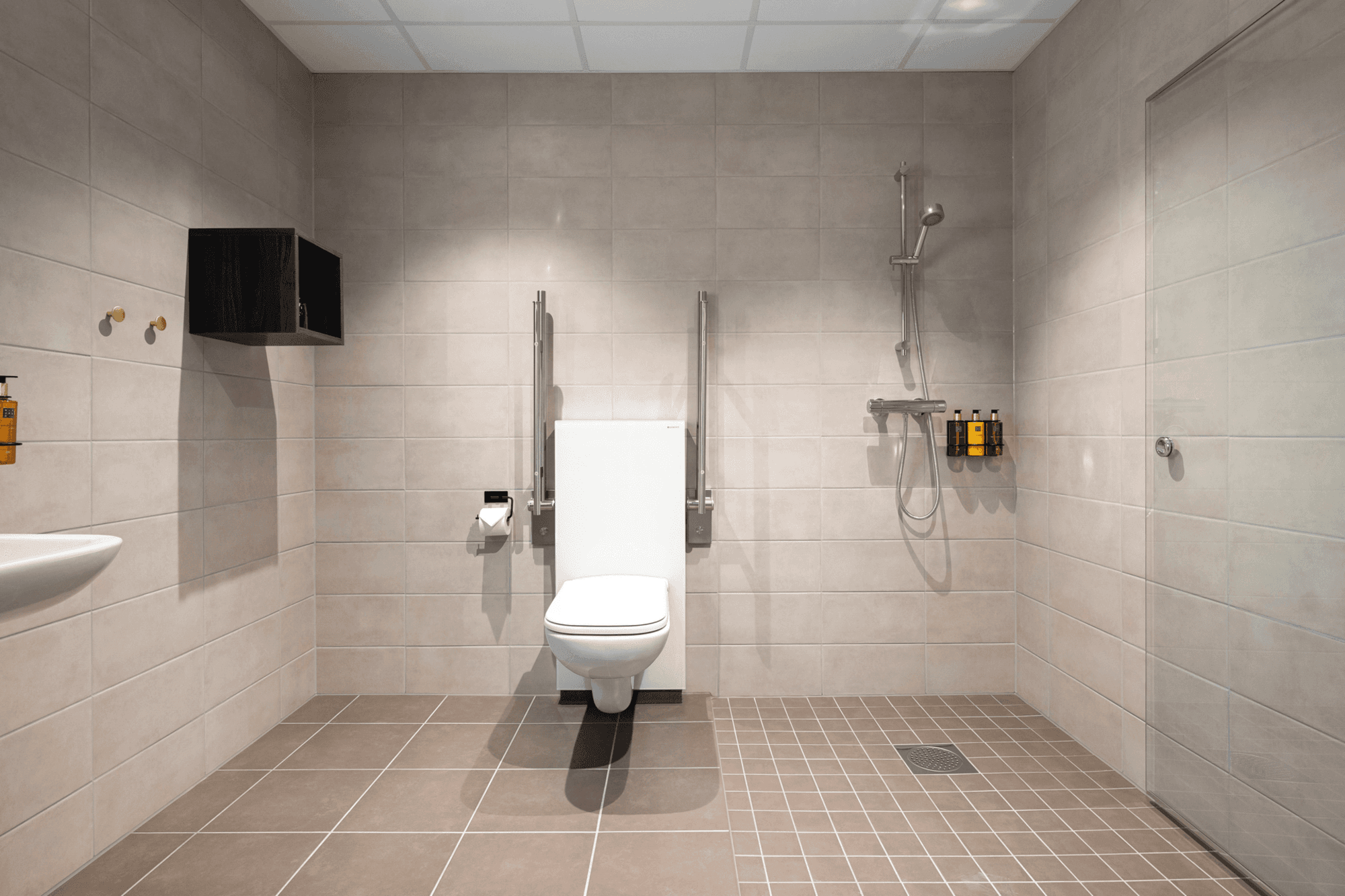
The communal areas in the reception building are spacious, and the accessible room type has plenty of floor space, a wide passage around the bed and a bathroom with a step-free shower area and grab rails by the toilet.
Subject to availability, there is free parking directly by reception, while the hotel also has a paid parking garage with lift access to the bedroom section. From the parking garage, there is a doorbell and automatic door openers, but the doorbell is positioned high for anyone who is in a seated position. If the spaces by reception are full, it is still possible to stop there first and collect the key card for the parking garage.