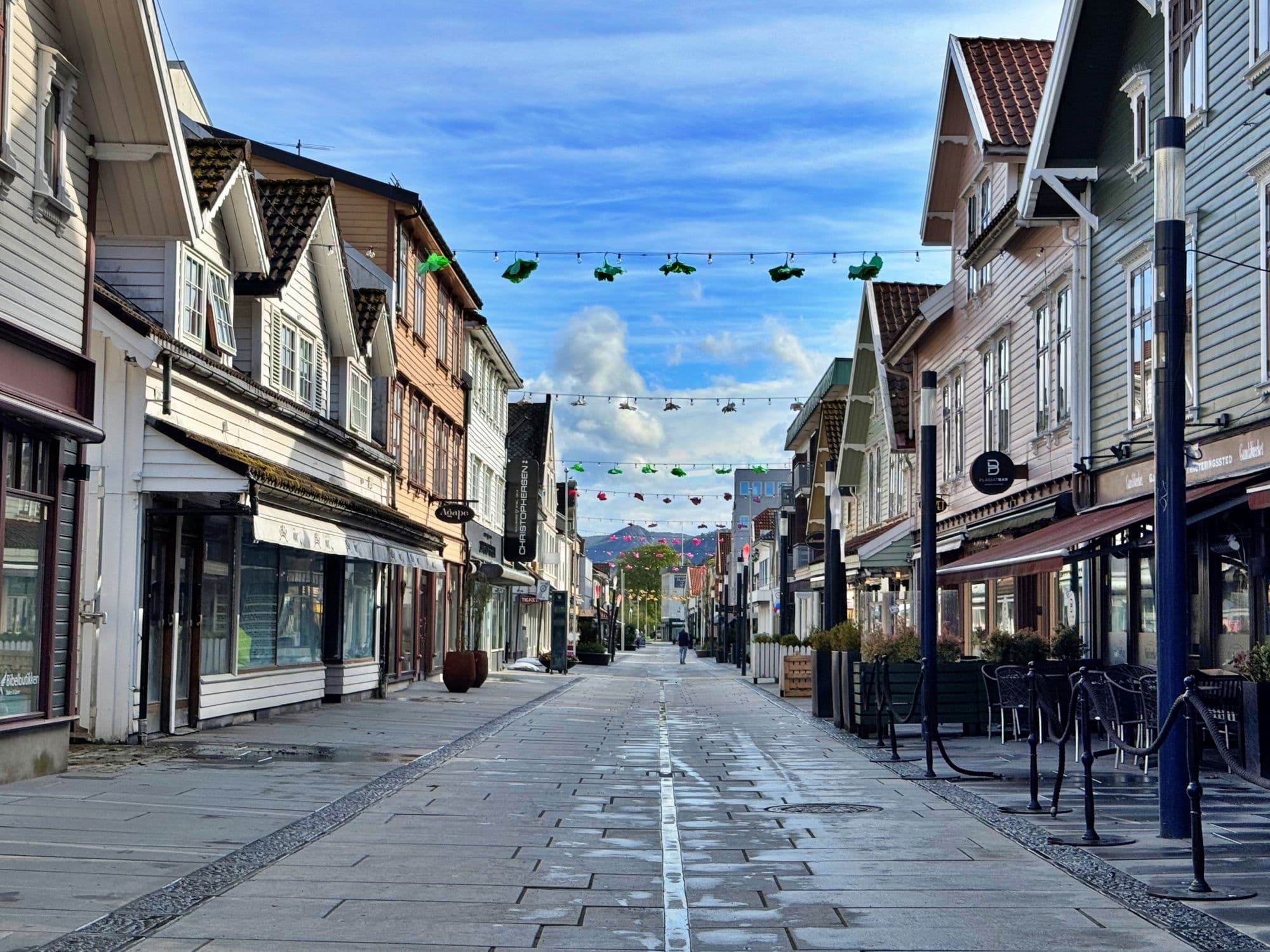
— Langgata in Sandnes
Useful information
Accessibility along the edge of Norway: Sandnes
Last updated 2026-09-11
Along the edge of south-western Norway, charming wooden towns, long beaches, green cultural landscapes, historic lighthouses, varied museums and beautiful fjords cut deep between steep mountainsides. The region is compact enough to experience a great deal in a short time, while its variety leaves room for many different interests.
By Adele Heidenreich, accessible tourism consultant and writer
Adele visited and tested the places featured in this article to describe their accessibility in practice.
This journey went through Jæren and the coast south of Stavanger, Sandnes and Stavanger. It was made by car and on crutches to see what the possibilities are like in practice. Along the way, places, activities and accommodation were visited and assessed to make it easier to plan from home according to individual needs. This applies whether visitors use a wheelchair or other mobility aids, are senior travellers, or have other forms of reduced mobility. With clear information, it becomes easier to plan and experience the region with greater predictability and confidence.
In this part, the journey takes us to Sandnes.
Sandnes, located just under half an hour from Bryne, has a different feel from Jæren. Here, the region becomes more urban, but nature is still close at hand. One advantage is that the town centre is relatively compact, making it possible to explore parts of the town without covering long distances.
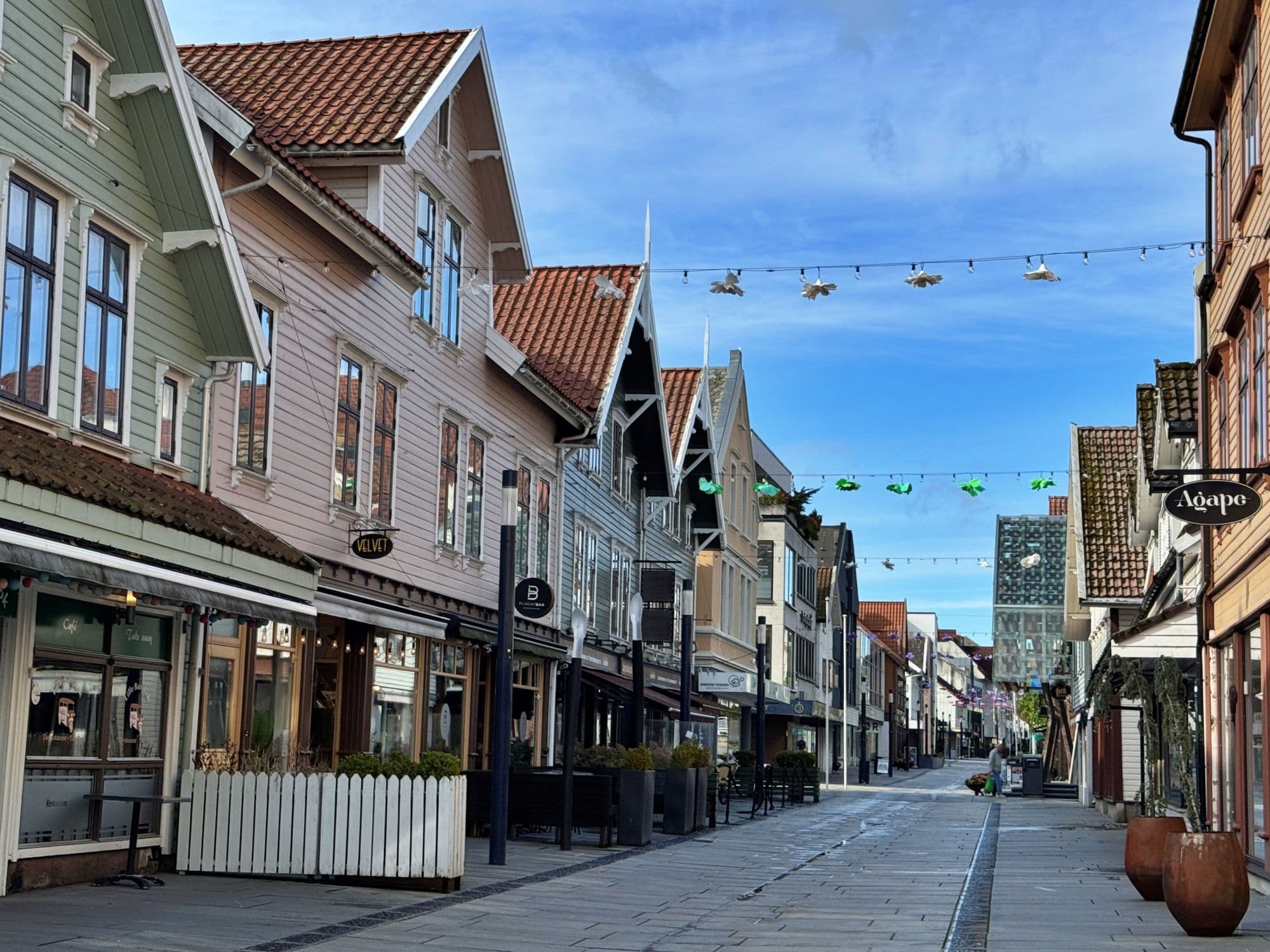
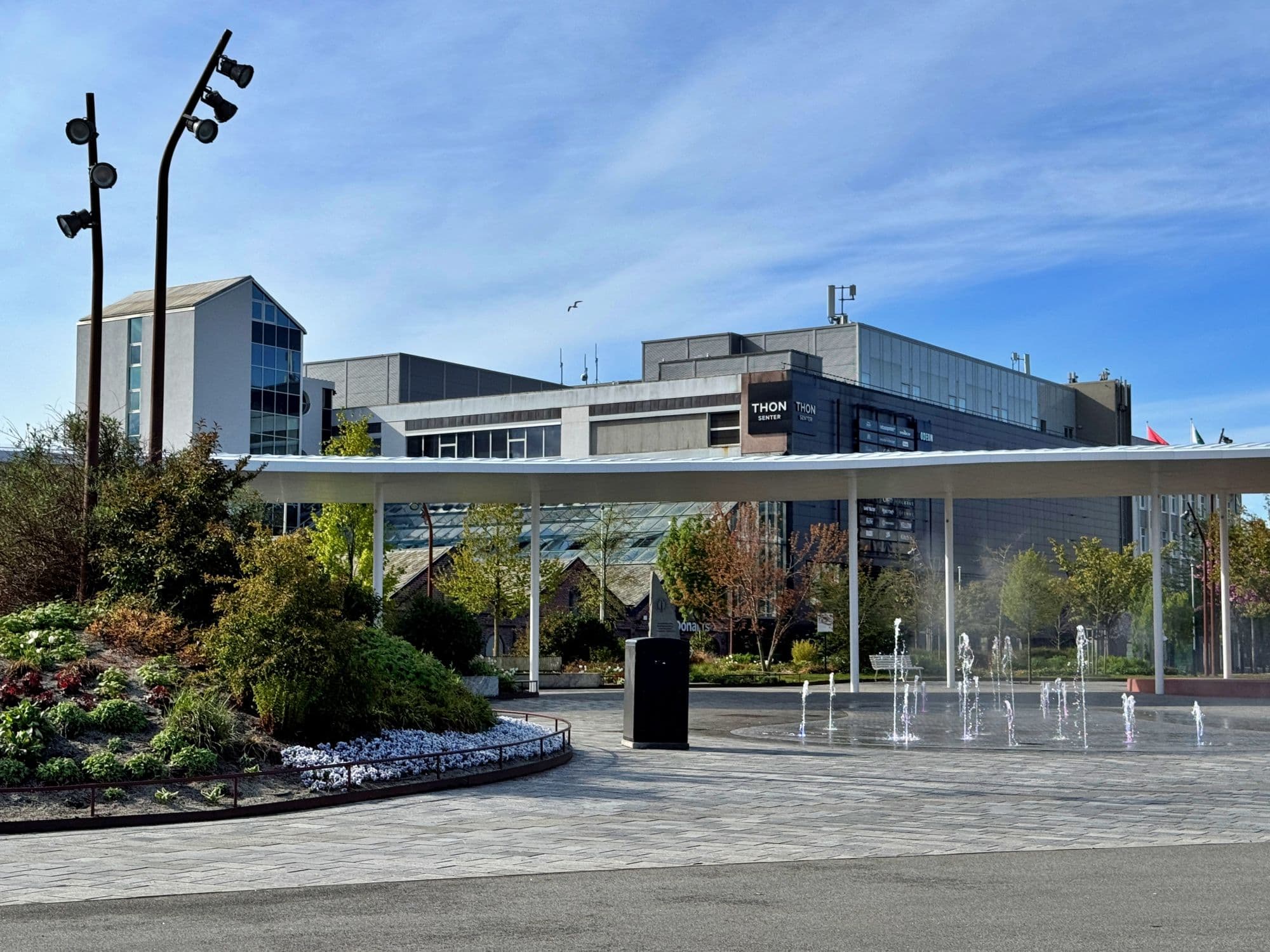
Langgata is a natural place to start in Sandnes city centre. The street is one of the city's main shopping streets, with a mix of shops, places to eat and older wooden buildings. The pedestrian street stretches for around 500 metres one way, with wide paving slabs and an even surface, and public parking is available in many of the side streets. Parallel to Langgata is Rutenparken, a large, open urban park that is completely flat, with wide pedestrian areas and firm surfaces.
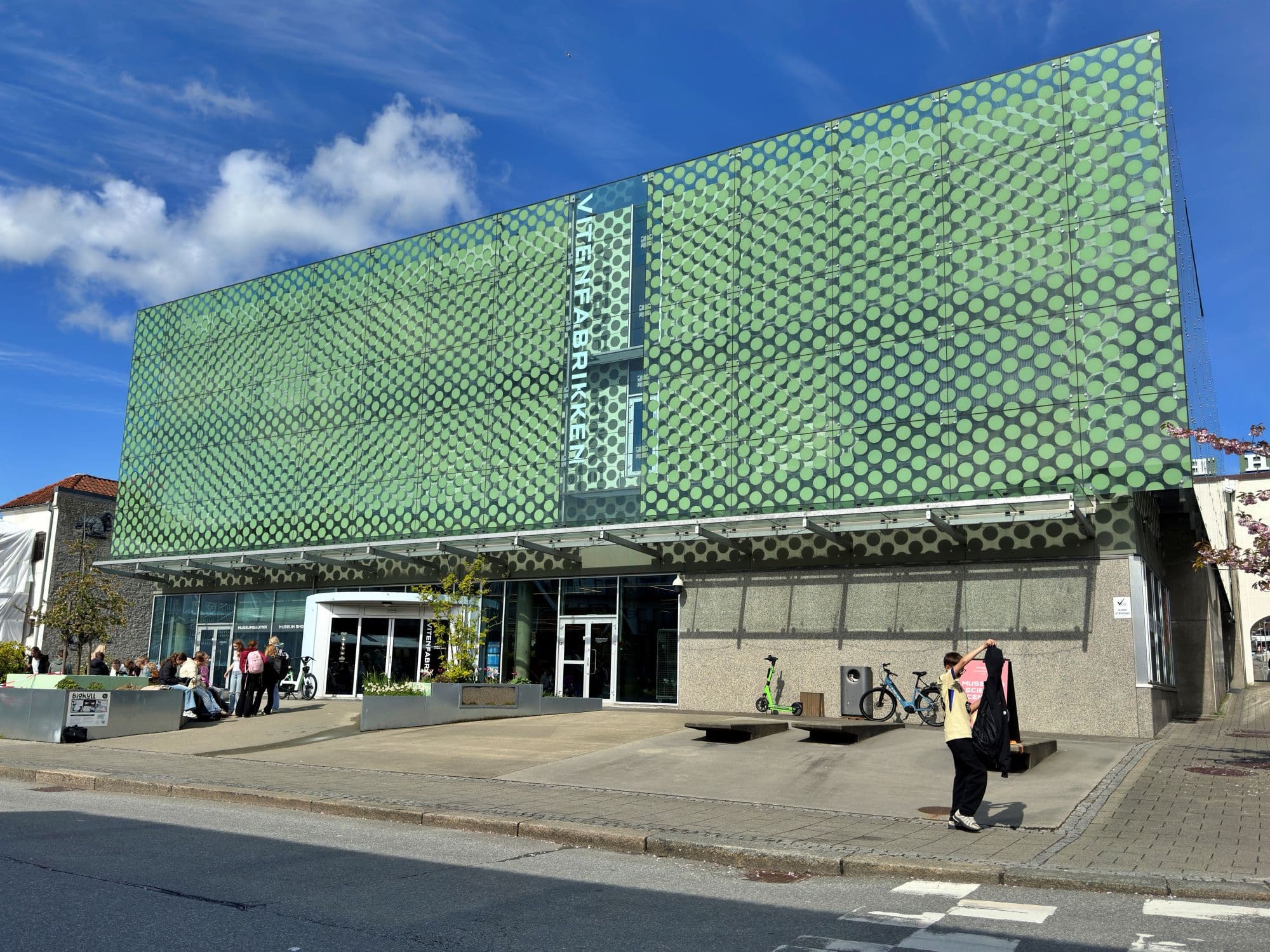
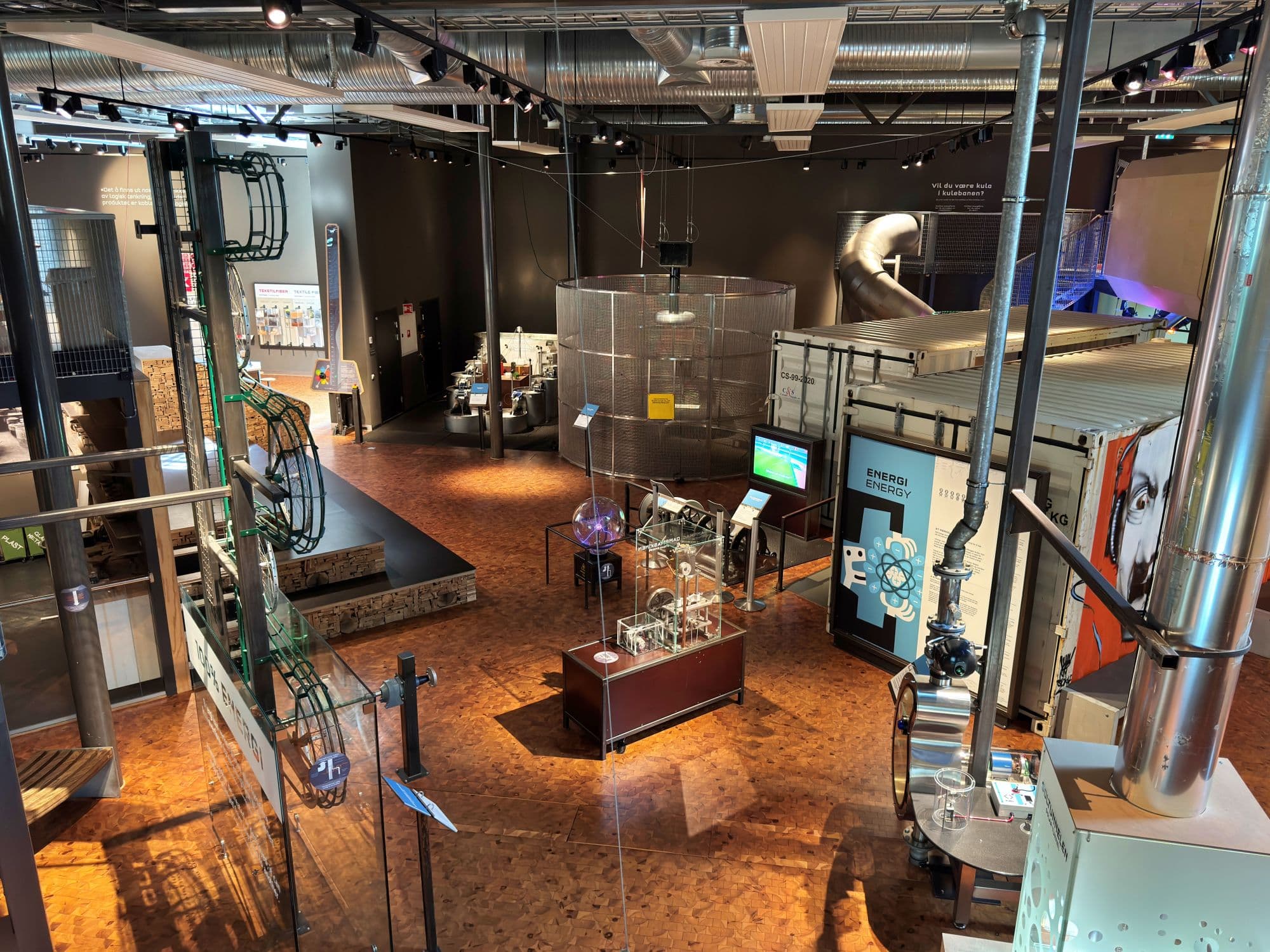
Vitenfabrikken is located in the same area and combines science, technology, local industrial history and interactive exhibitions. It is the kind of place where fingers start to itch regardless of age, with plenty of opportunities to press buttons, pull ropes and open drawers and cupboards to see what happens.
The museum has its own accessible parking space next to the entrance, and public parking is also available around the building.
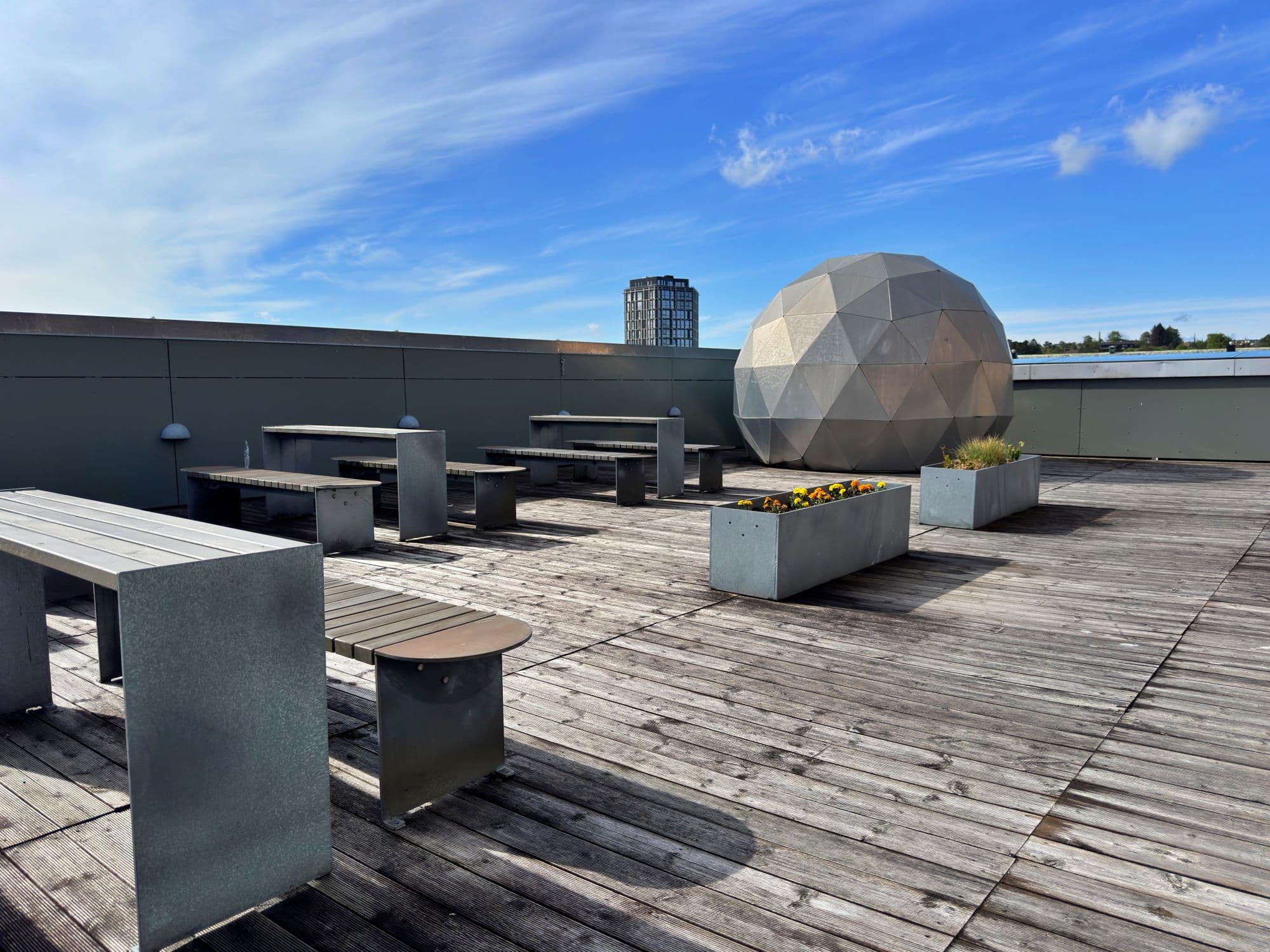
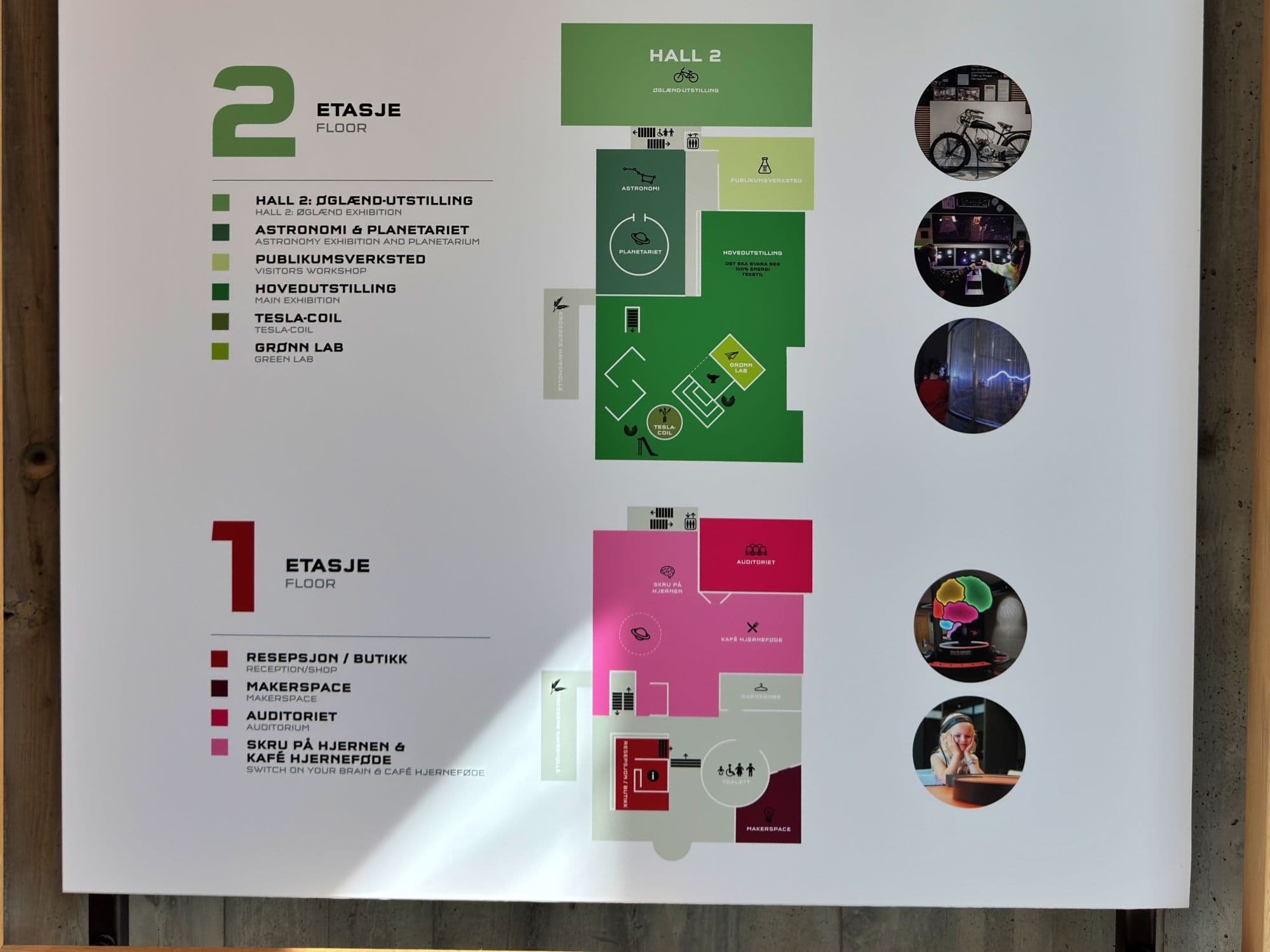
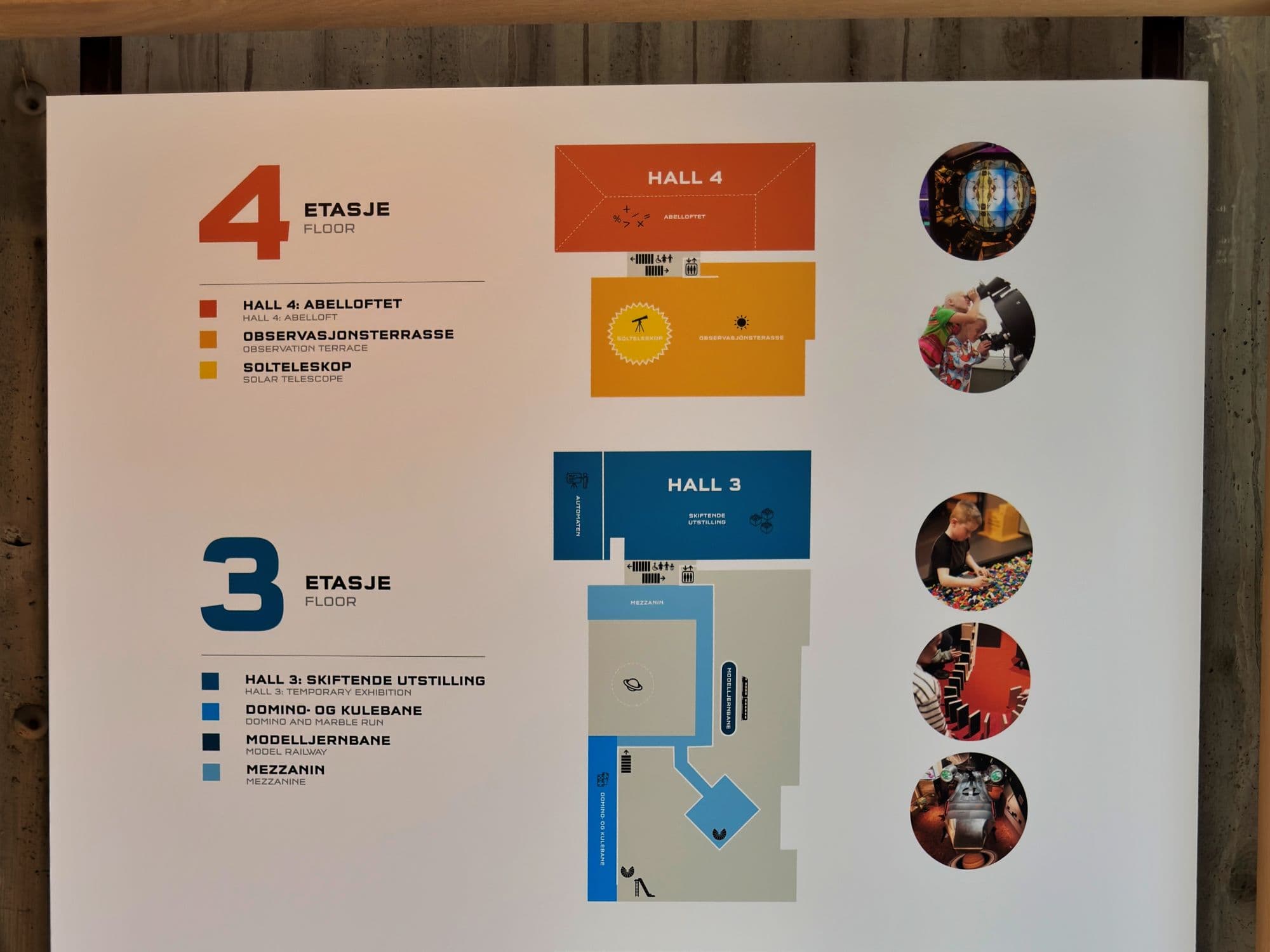
The exhibitions are spread across four floors, and visitors will cover just over 800 metres if they visit them all. The building is step-free, with a lift between floors and plenty of space in the exhibition rooms. In all rooms apart from the main exhibition on the second floor, there are sufficient benches, chairs and padded seats for resting along the way.
The observation terrace has a firm surface and seating, but the door leading outside may be difficult for some people to open independently.
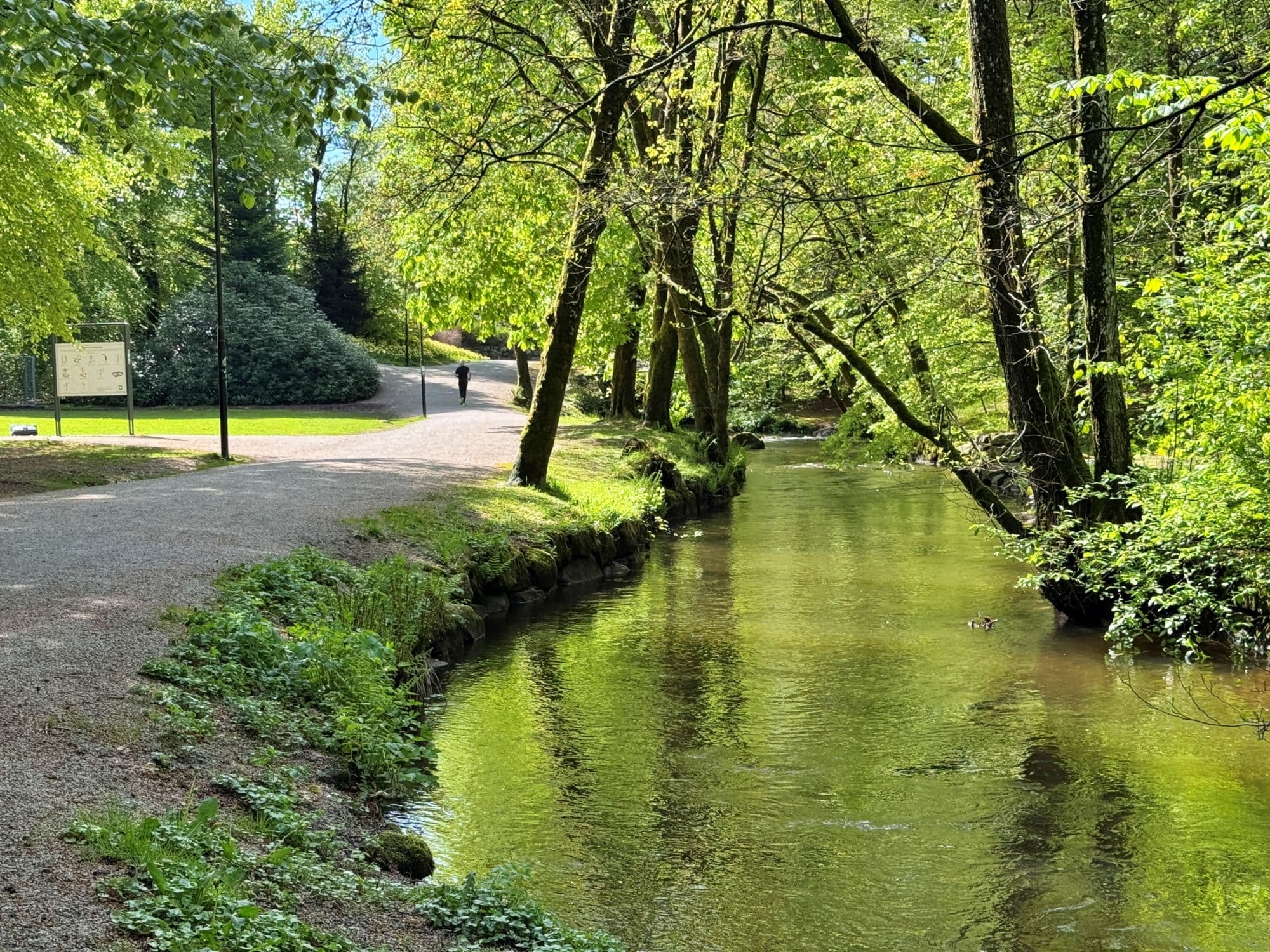
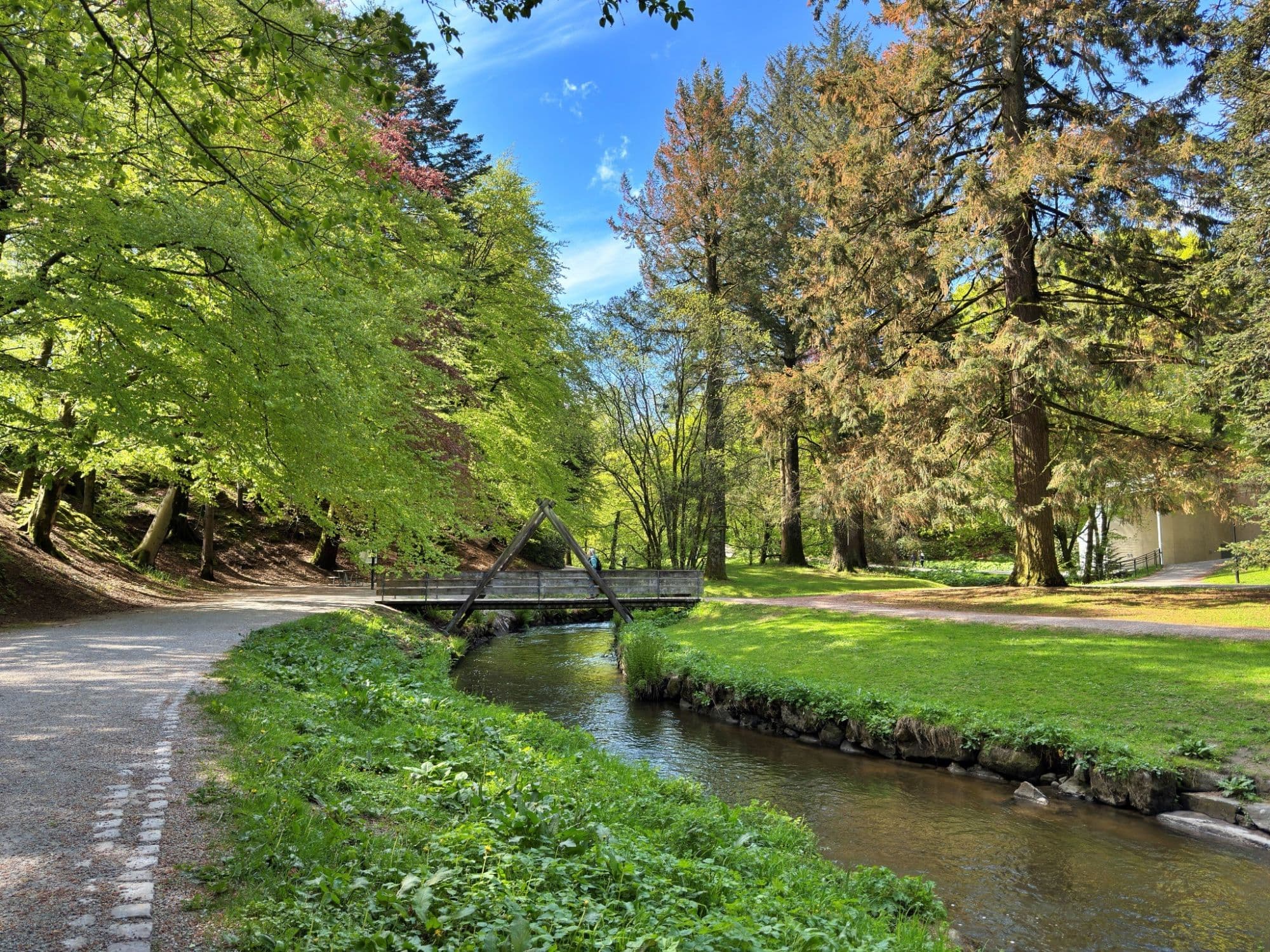
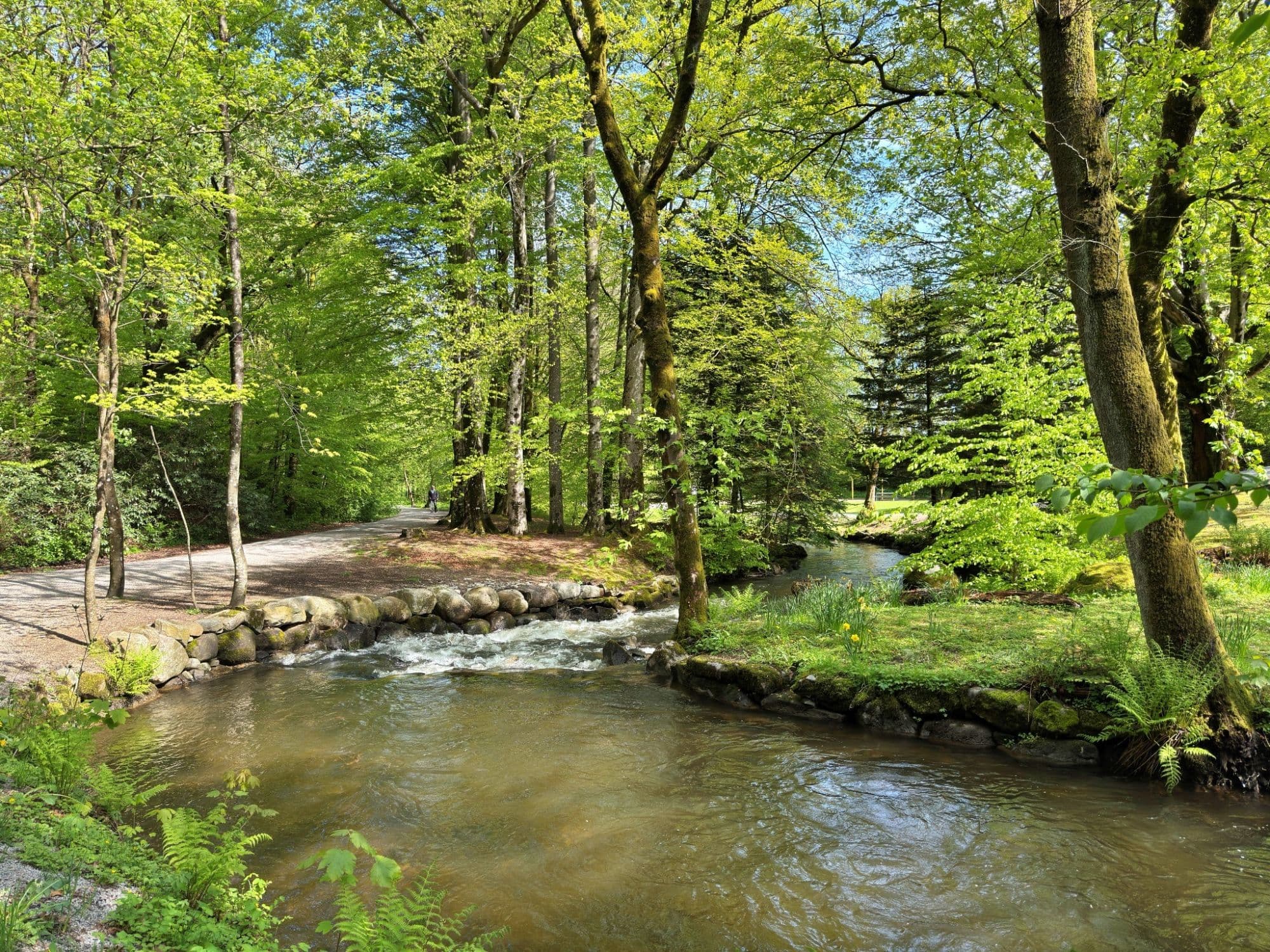
Sandvedparken shows a greener side of Sandnes and stretches along the Storåna river, where birdsong and the sound of the waterfall make it easy to forget that this is right in the middle of the city. There is parking by Parkkafeen, which is a good starting point for a visit, including accessible parking.
The paths are wide and consist of compacted dirt with a thin layer of gravel, creating a firm surface. The park is not large, and visitors can follow an almost flat loop along the river of around one kilometre in total by crossing the river at the motorway bridge after about 500 metres and following the path back on the opposite side. There are several other roads and paths in the park, but these are more hilly. There are benches along the route, although a few more resting points would be helpful.
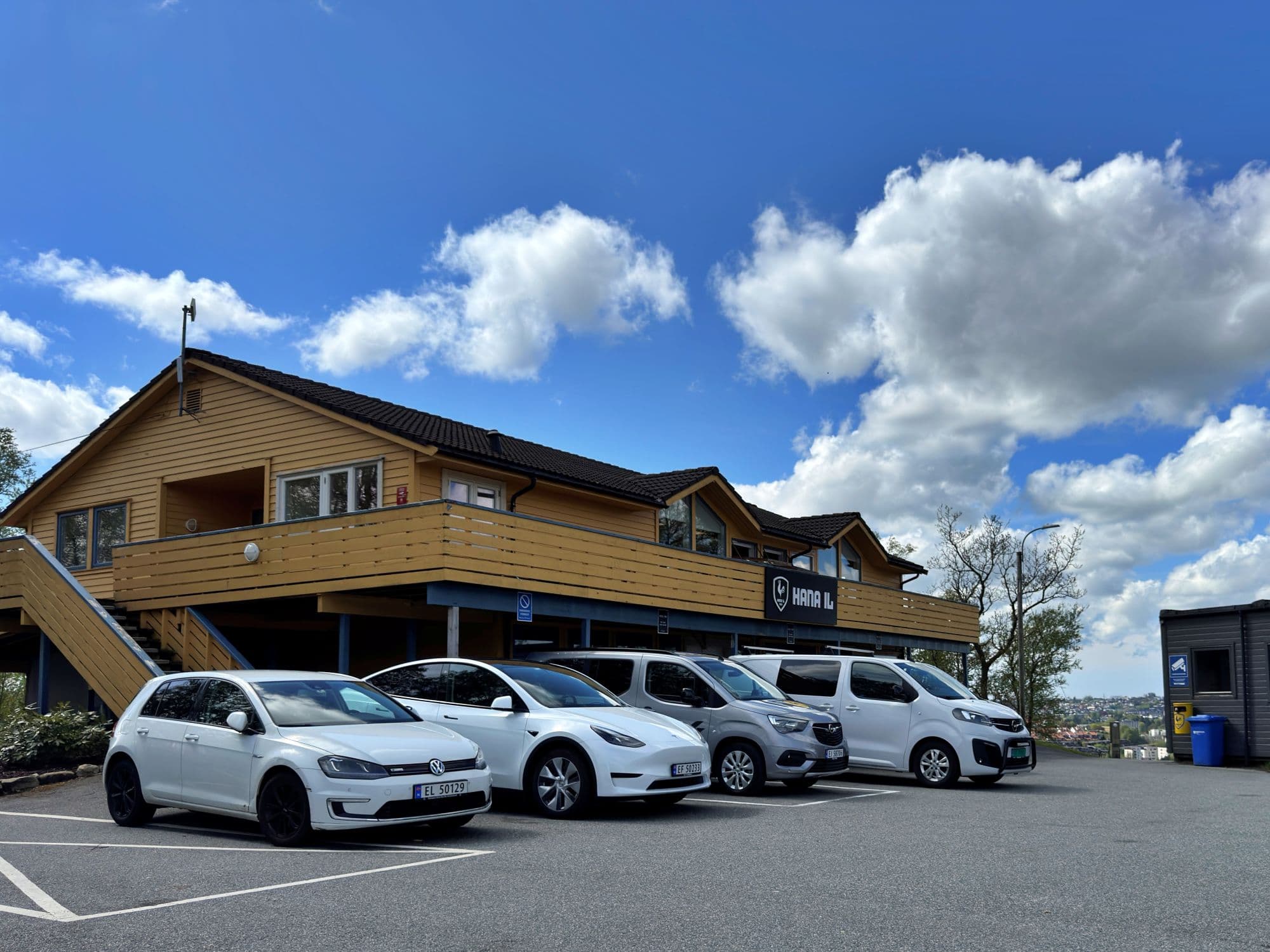
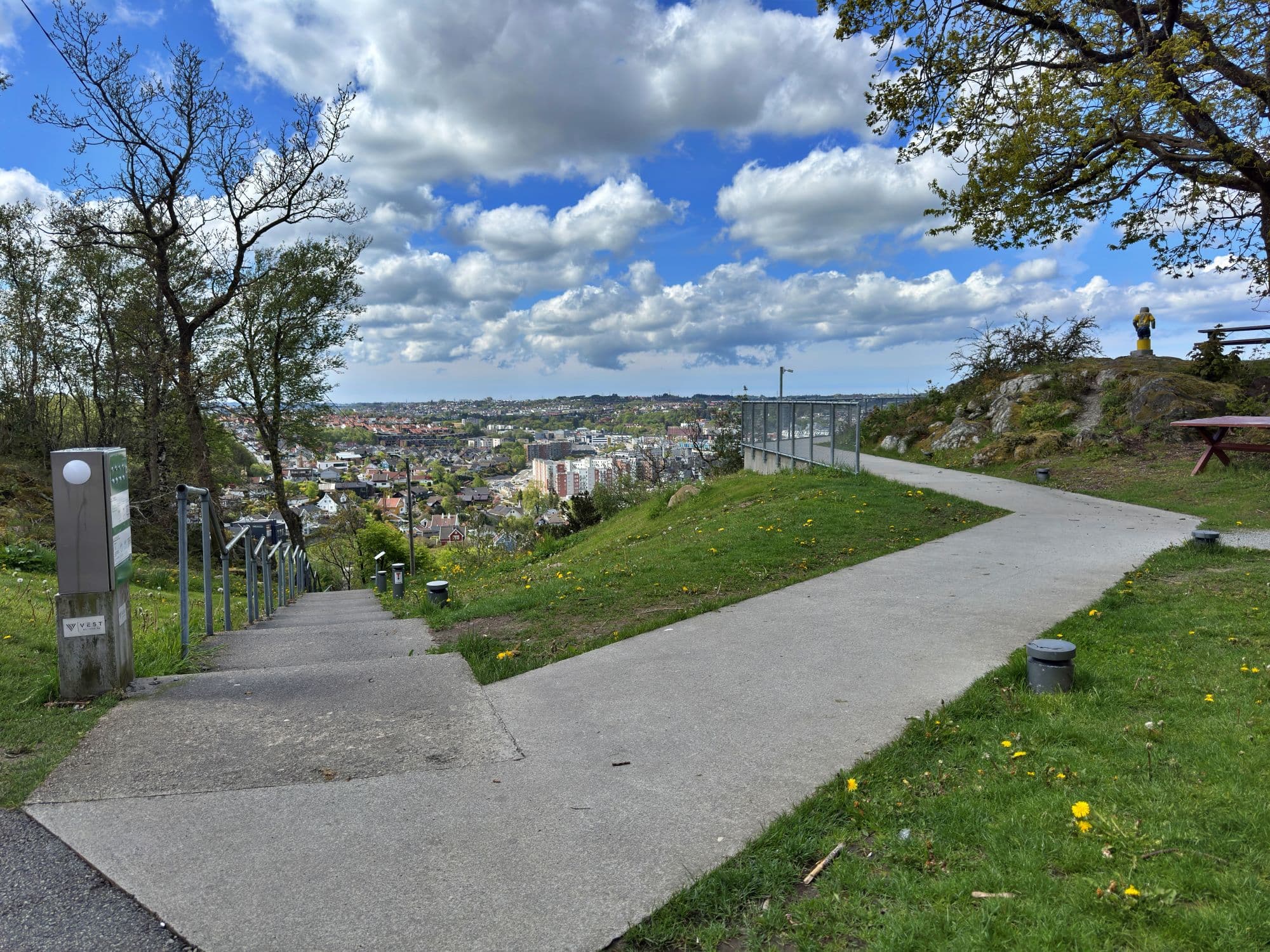
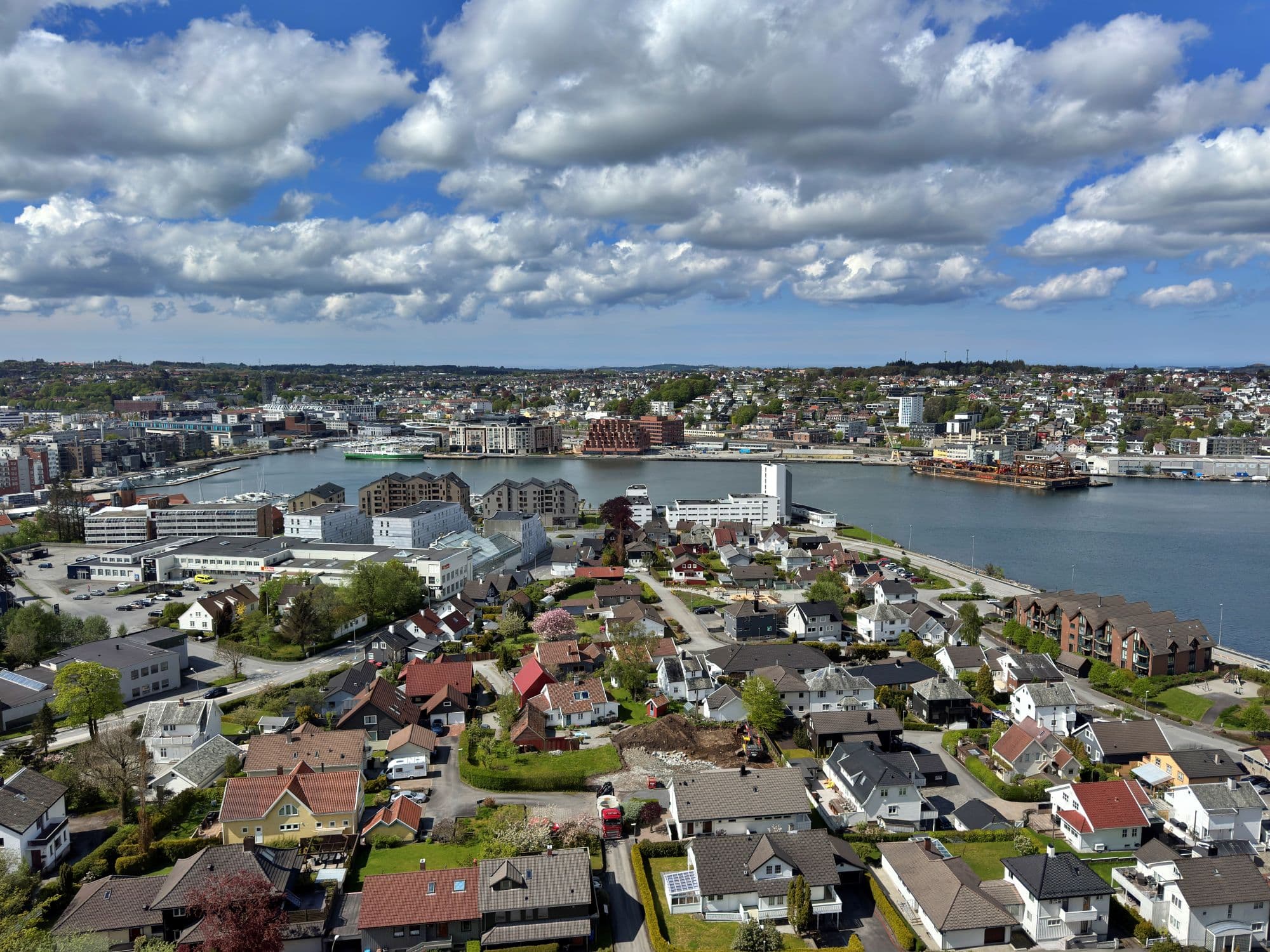
Hanatrappene is a well-known local viewpoint and an activity in its own right, including its annual uphill race, but with 306 steps, it is not accessible to everyone. It is, nevertheless, possible to reach the top by car by following directions to Hana IL (Hana Sports Club). From the car park by the football pitch, it is around 120 metres past the clubhouse along a flat, paved road. The viewpoint itself is open and step-free, with plenty of space to enjoy the view over Sandnes and the fjord.
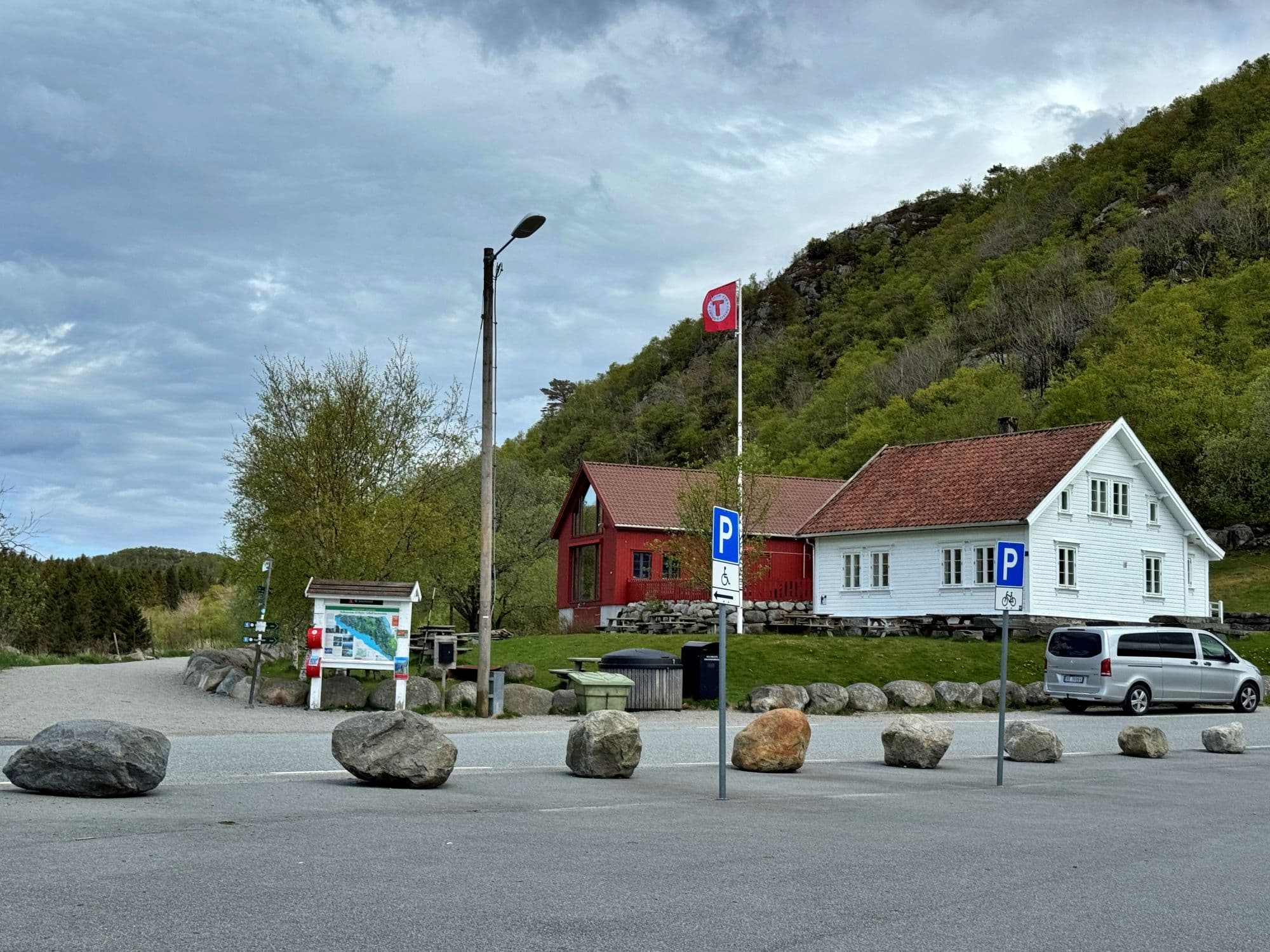
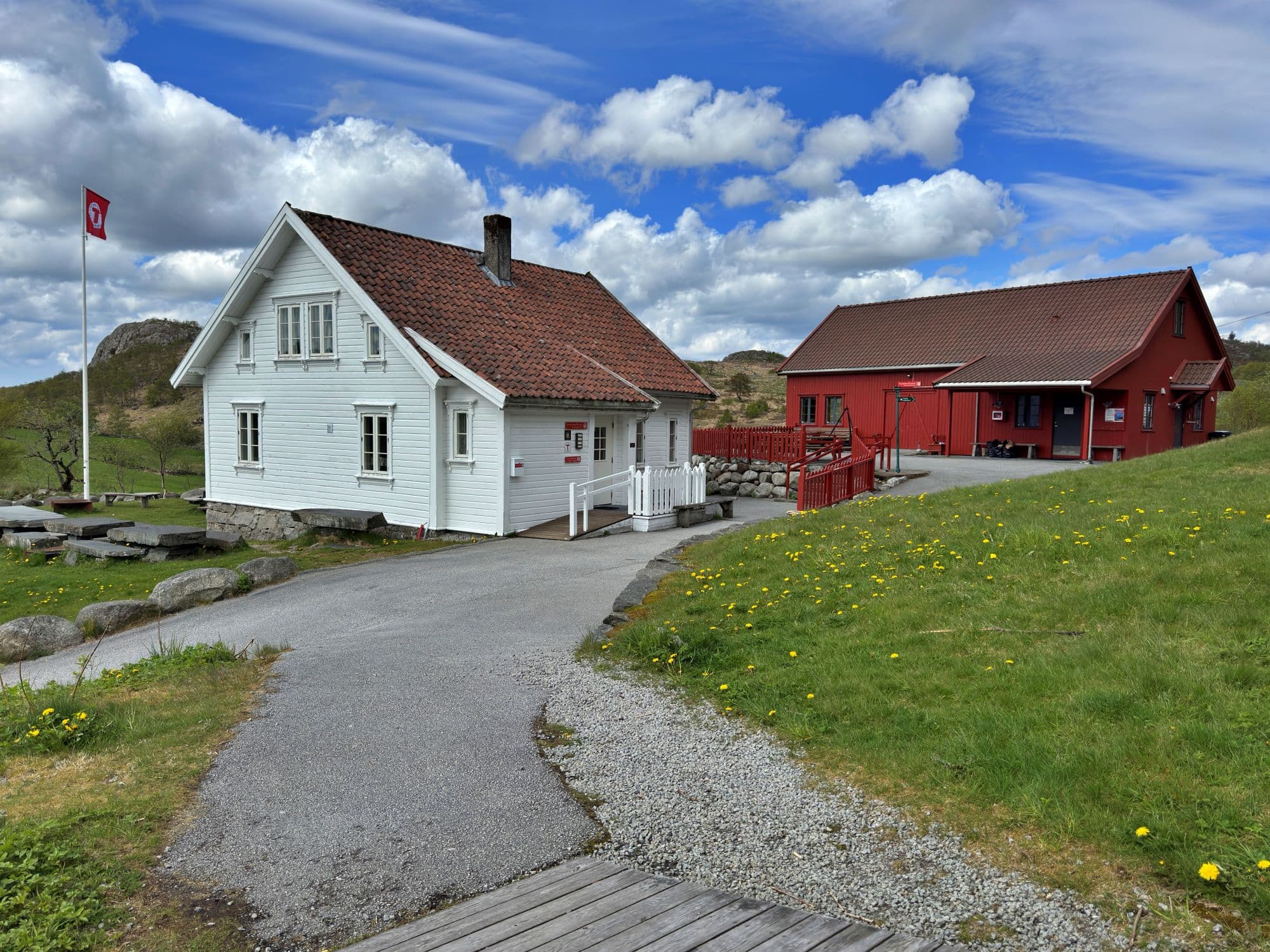
Dalsnuten is one of Sandnes' most popular hiking destinations. The hike itself can be demanding at three kilometres return, but the starting point at Gramstad tourist lodge is still worth a stop. From here visitors can see the summit, get a sense of the landscape around Gramstadtjørn and enjoy both the green surroundings and the food at the cosy lodge.
There are two ways to reach the courtyard by the lodge: via the paved road from the parking area, which can be steep for a manual wheelchair without assistance, or via the firm gravel road on the left-hand side towards Dalsnuten, which leads to the buildings on the level above the road.
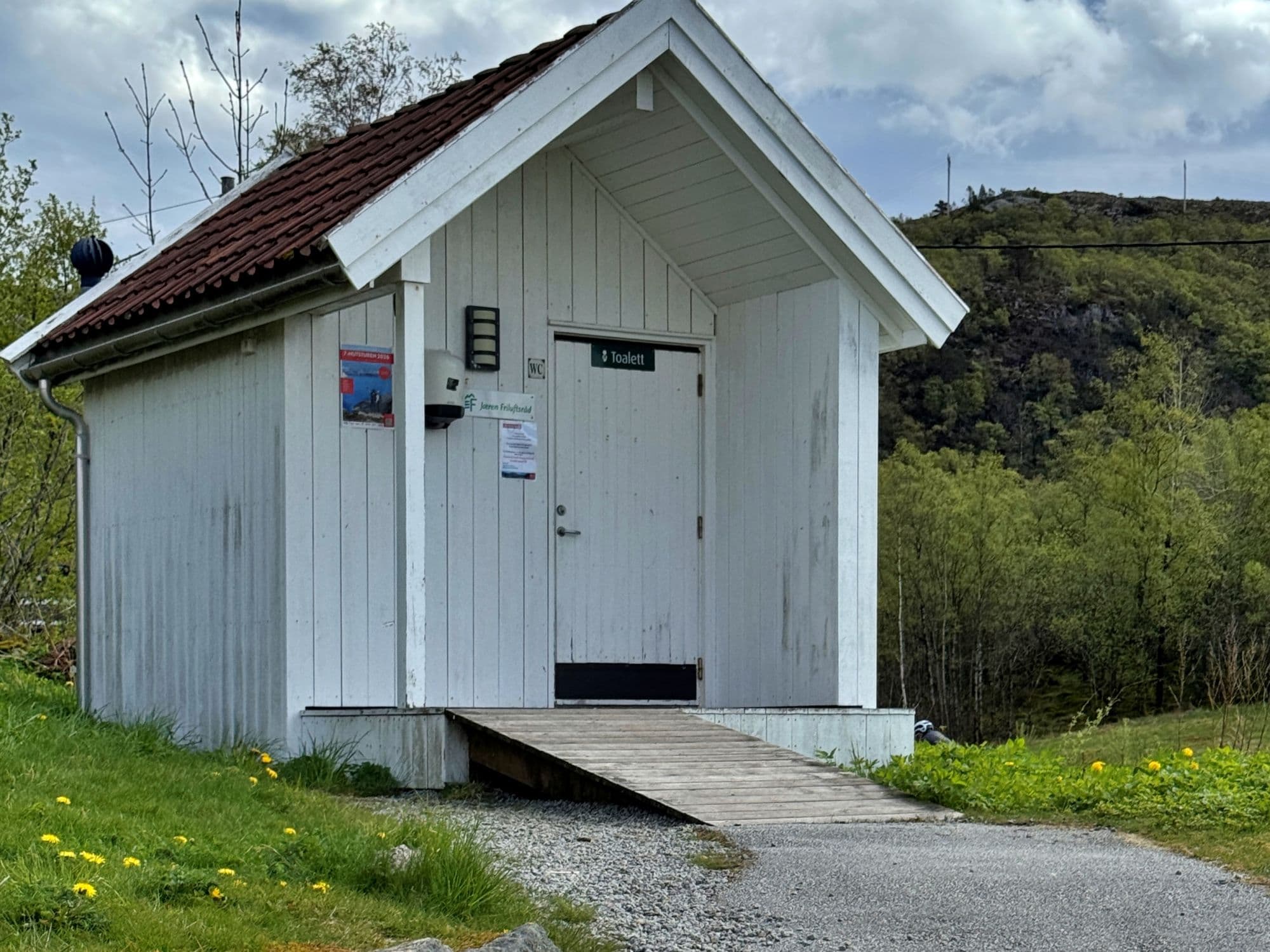
At the lodge, there is asphalt, ramps into the buildings and an accessible toilet, but the ramp up to the toilet is somewhat steep, and the toilet has no support rails.
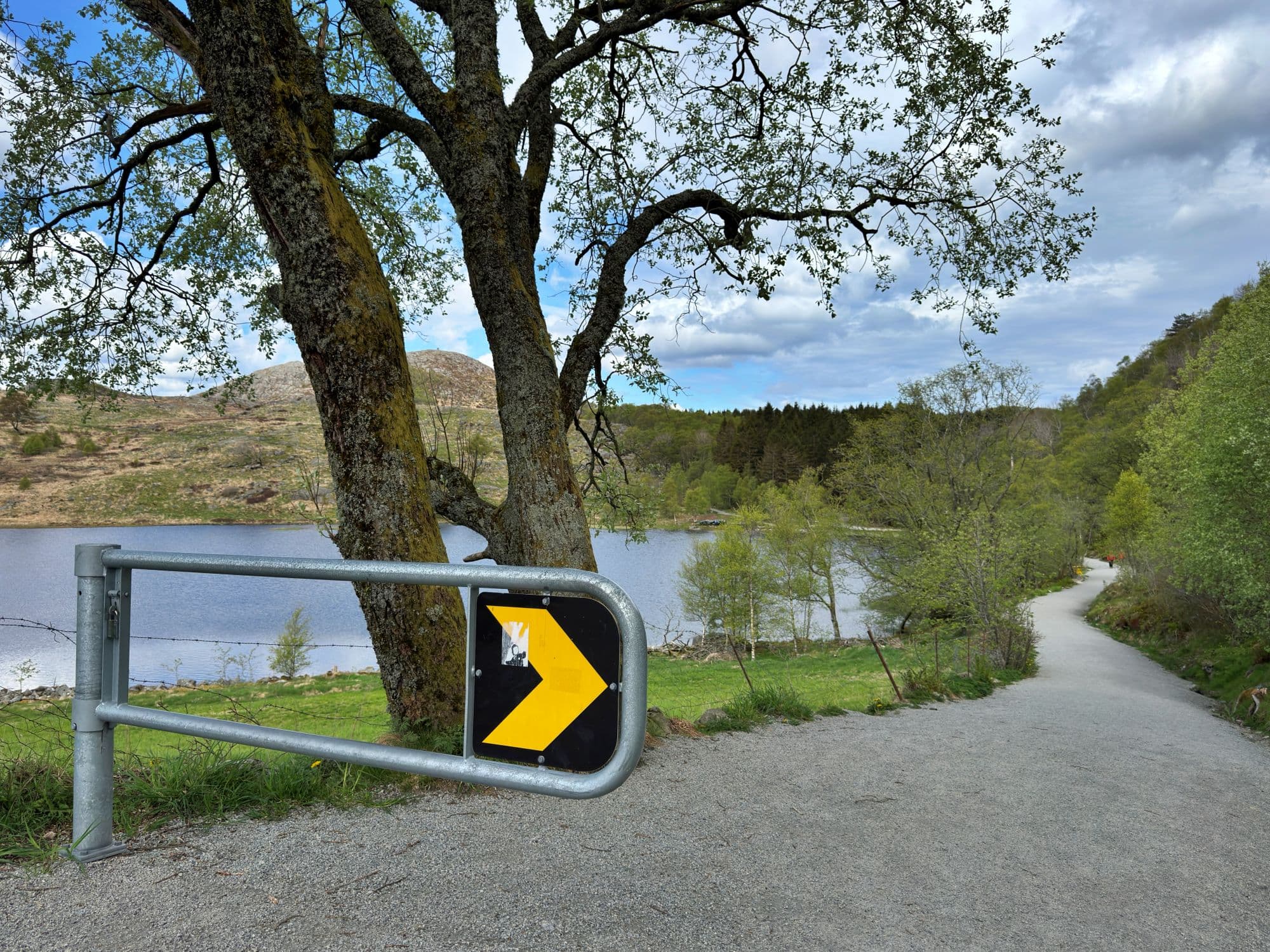
Visitors who want to move down towards Gramstadtjørn should be aware that the road has a firm surface with a thin layer of gravel, but is quite steep.