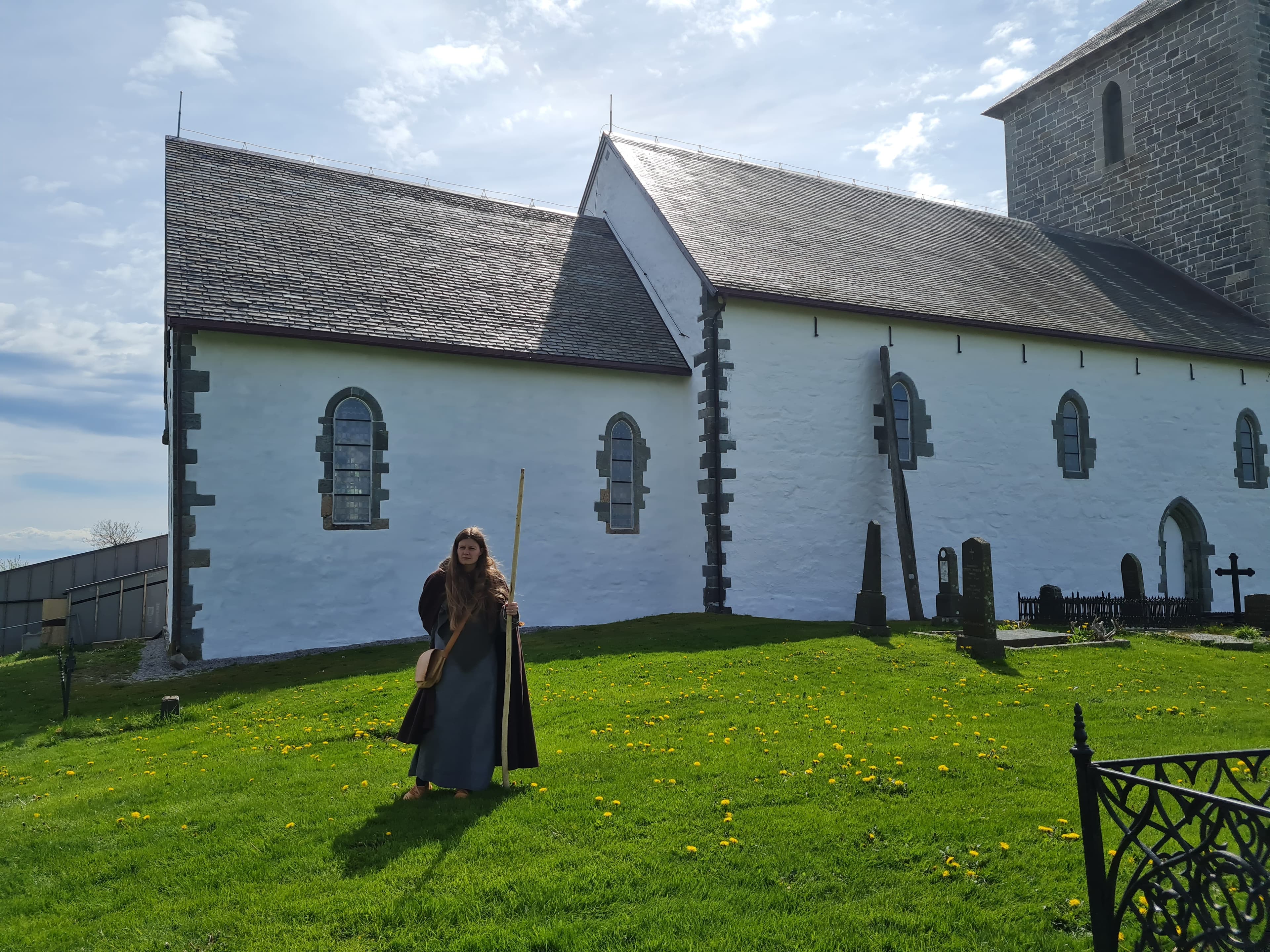
— Hå gamle prestegard
Culture and history
Pilgrimage in Rogaland – part of the Coastal Pilgrimage Route
- Summer
- autumn
- spring
- winter
Last updated 2026-02-03
The Coastal Pilgrim Route is one of nine Norwegian pilgrim routes. Pilgrimsleden is the name given to the Norwegian pilgrim routes that lead to the Nidaros Cathedral in Trondheim. The routes start in different parts of the country and mainly follow old, historic thoroughfares.
What is the Coastal Pilgrim Route?
The Coastal Pilgrim Route starts in Egersund and ends at the Nidarosdomen Cathedral in Trondheim. It is a spectacular journey along the coast where you can combine public transport with car, bus, boat, bicycle or hiking. The route highlights coastal culture, cultural heritage and church history.
The Coastal Pilgrim Route runs both by sea and by land
This makes the Coastal Pilgrim Route particularly flexible compared to other pilgrim routes in Norway.
Key locations along the entire Coastal Pilgrim Route
The route has 25 approved key locations that are of great historical and cultural value. These are the places you travel between along the route, and you can have your pilgrim passport stamped at these locations if you have one. All 25 key locations along the Coastal Pilgrim Route can be found here.
Stages on the Coastal Pilgrim Route in Rogaland
Here you can explore the stages in Rogaland, from Egersund in the south to Haugesund in the north.
1) Egersund – Jæren
This stage is best suited for hiking and cycling, and can easily be combined with train travel.
a. How to complete the stage: daily stages on foot or by bicycle. Some distances can also be covered by train or bus.
b. How long does the stage take? 1-2 days
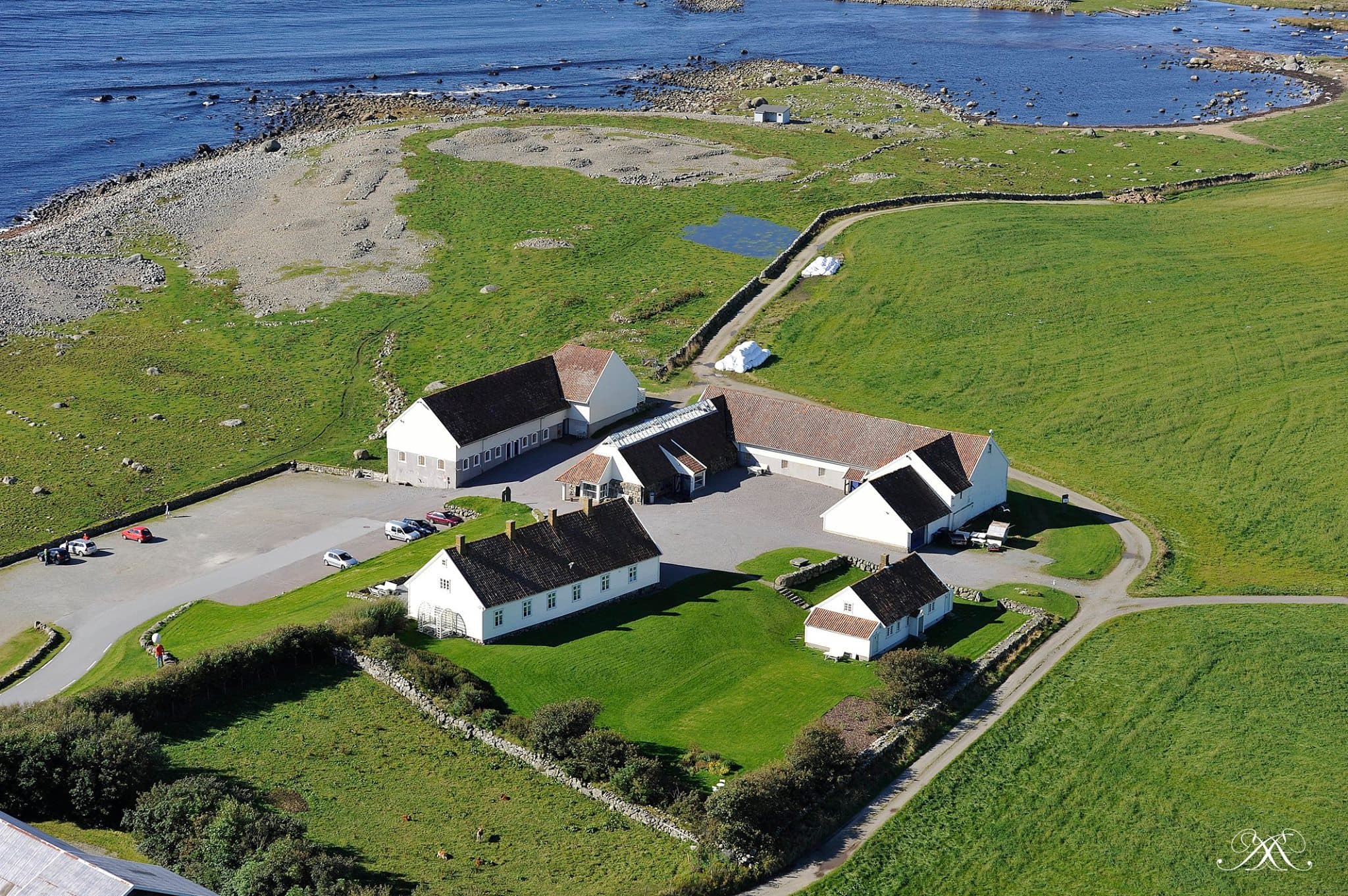
c. Key locations: Egersund, the Jæren beaches with Obrestad lighthouse and Hå old vicarage
Egersund - Jæren
Architecture and heritage
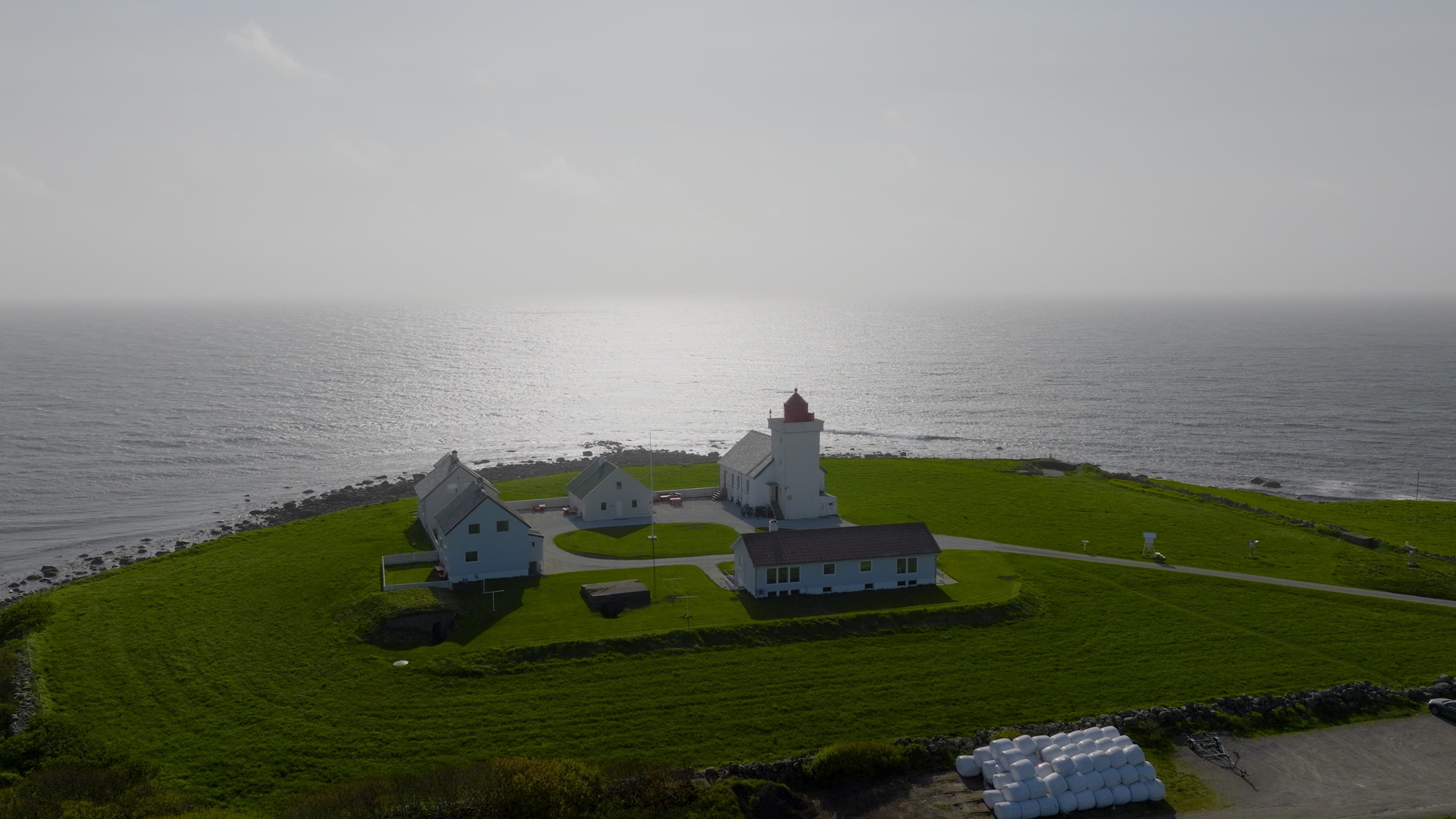
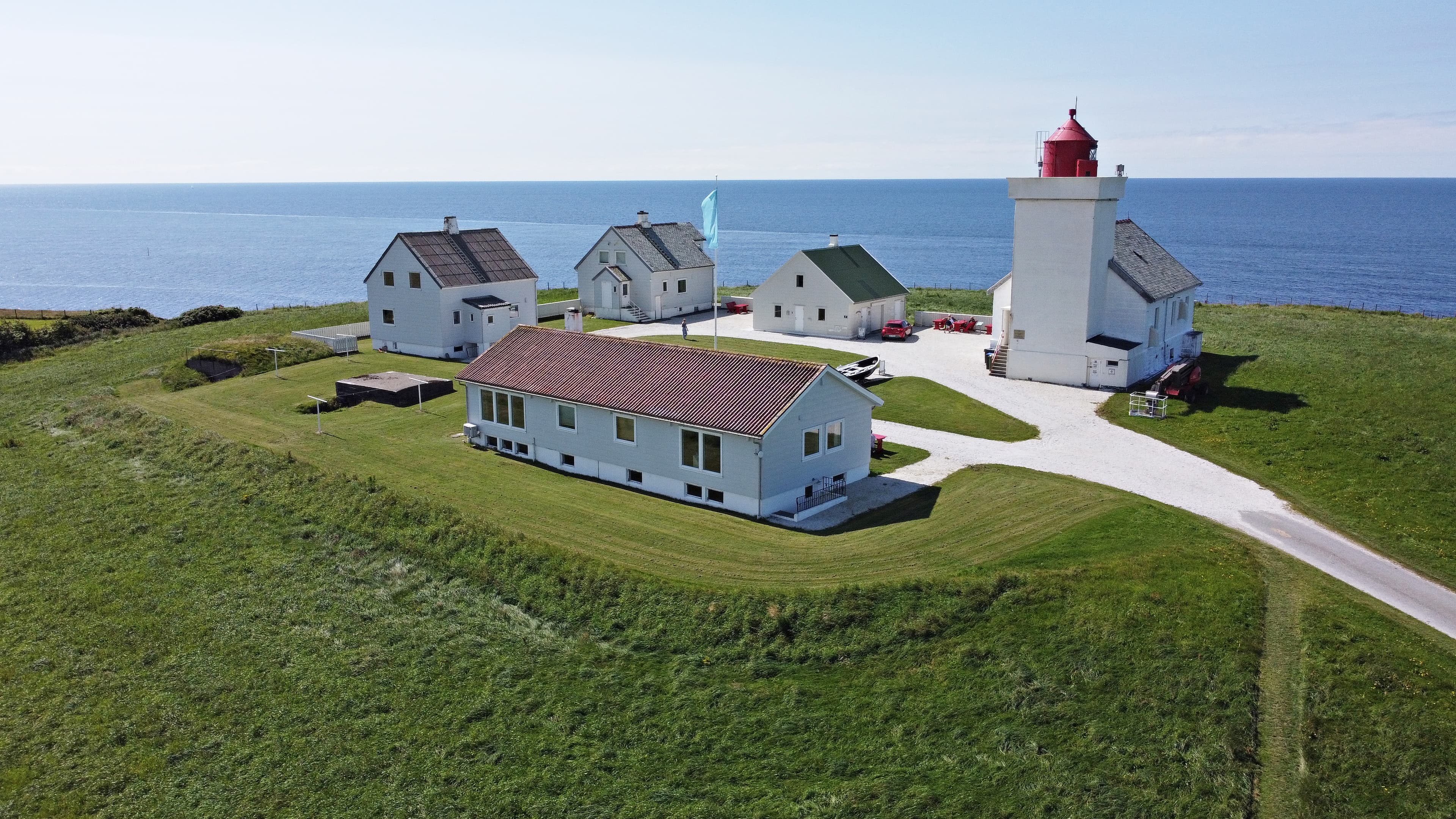
Obrestad lighthouse
Hå
Obrestad lighthouse is one of several charming lighthouses located along the rugged edge of Norway. Stay in modern lighthouse accommodation with sea views.
Art and museums
Hå gamle prestegard
The Jæren beaches
Experience modern art and culture in historic surroundings on the very edge of Norway.
2) Jæren – Stavanger
a. How to complete the stage: Cycling works well, some day stages can also be done on foot, and you can take the train from several places in Jæren to Stavanger. Buses are also an option.
b. How long does the stage take? 1 day
c. Key locations: Stavanger Cathedral
3) Stavanger – Utstein Monastery
a. How to complete the stage: The first part is by bus via an undersea tunnel, then on foot from the bus stop to the monastery. It is also possible to use your own leisure boat.
b. How long does the stage take? Half a day to a full day
c. Key locations: Utstein Monastery and Utstein Pilgrim Centre
Stavanger - Utstein Monastery
Architecture and heritage
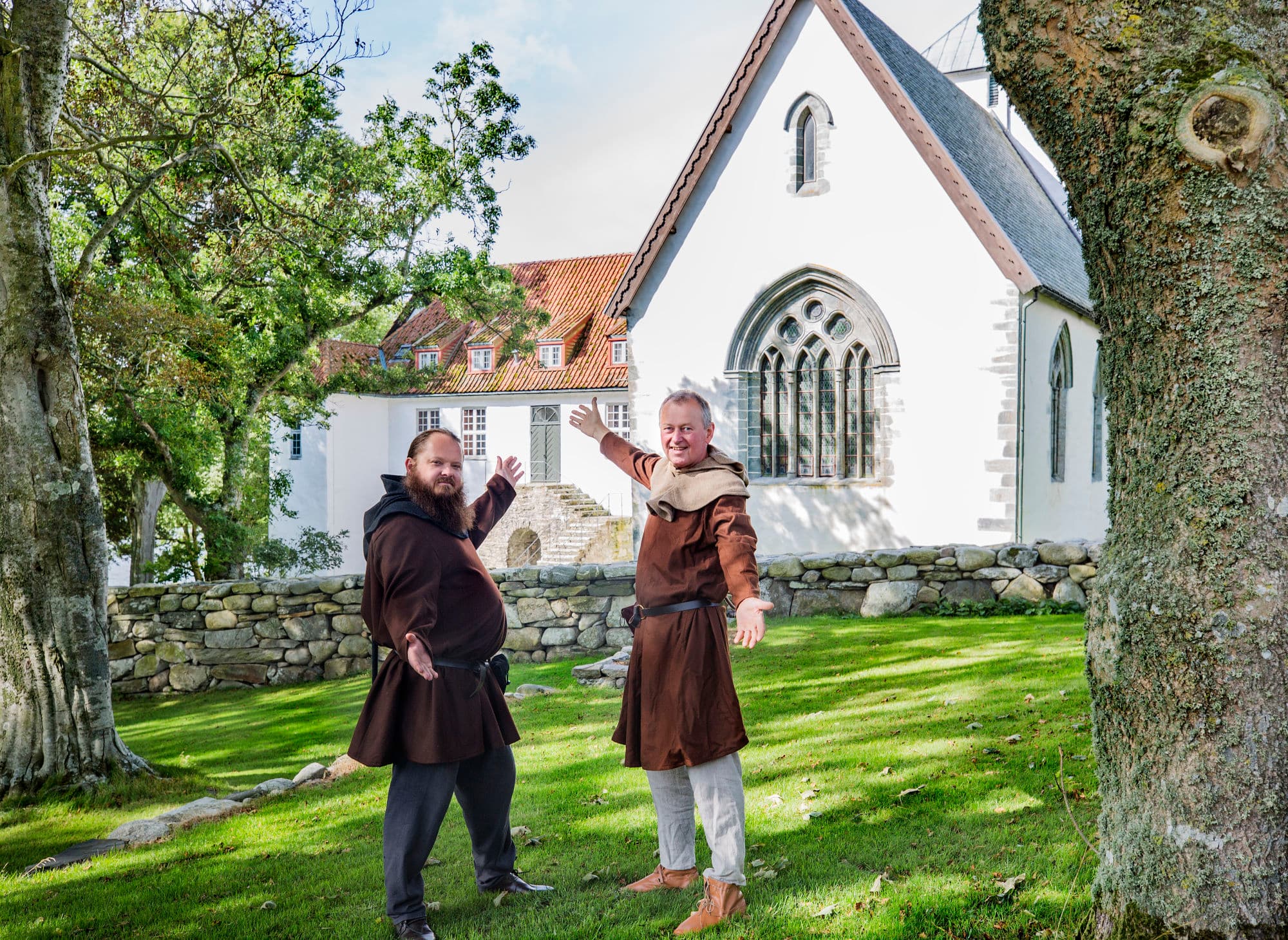
Utstein Monastery
Stavanger
Utstein Monastery is Norway’s best-preserved medieval monastery, beautifully situated in a protected cultural landscape on the island of Mosterøy, about a 30-minute drive from Stavanger.
Rennesøy and the green islands
Welcome to the unique archipelago located between the North Sea and the fjord-rich inner Ryfylke! This location provides great range and variety in nature and landscape. Here it is green and lush almost all year round, with nice and easy walks and good bathing places.
4) Utstein Monastery – Haugesund – Avaldsnes
a. How to complete the stage: Boats are the most traditional and pilgrim-like way to travel, but you can combine bus, car and boat.
b. How long does the stage take? 1-2 days
c. Key places: The regional Pilgrim Centre at Avaldsnes with Olavskirken and Nordvegen History Centre
Haugesund and Avaldsnes
Architecture and heritage
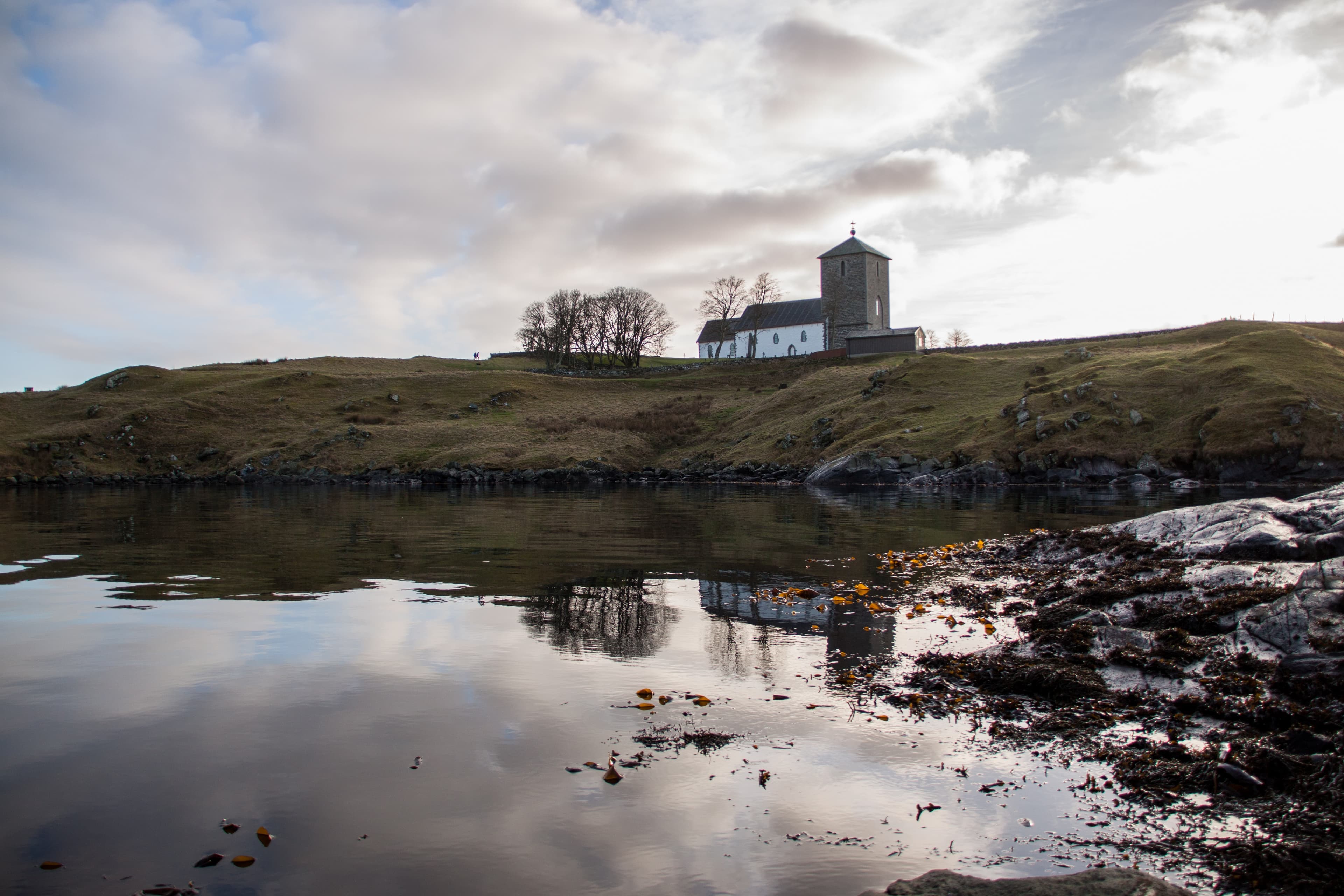
St. Olav's church at Avaldsnes
Avaldsnes
St. Olav's Church is situated next to Nordvegen History Centre at Avaldsnes. It is strategically positioned on a hilltop, from where it was easy to watch over ships travelling through the Karmsundet strait.
Avaldsnes
Avaldsnes is a village of great historical importance, on the island of Karmøy just off Haugesund. Avaldsnes may be best known as the main seat of the Viking and first King of Norway, Harald Fairhair. However, kings and chieftains lived at Avaldsnes for thousands of years, all the way back to the early Bronze Age and throughout the Viking Age.
Architecture and heritage
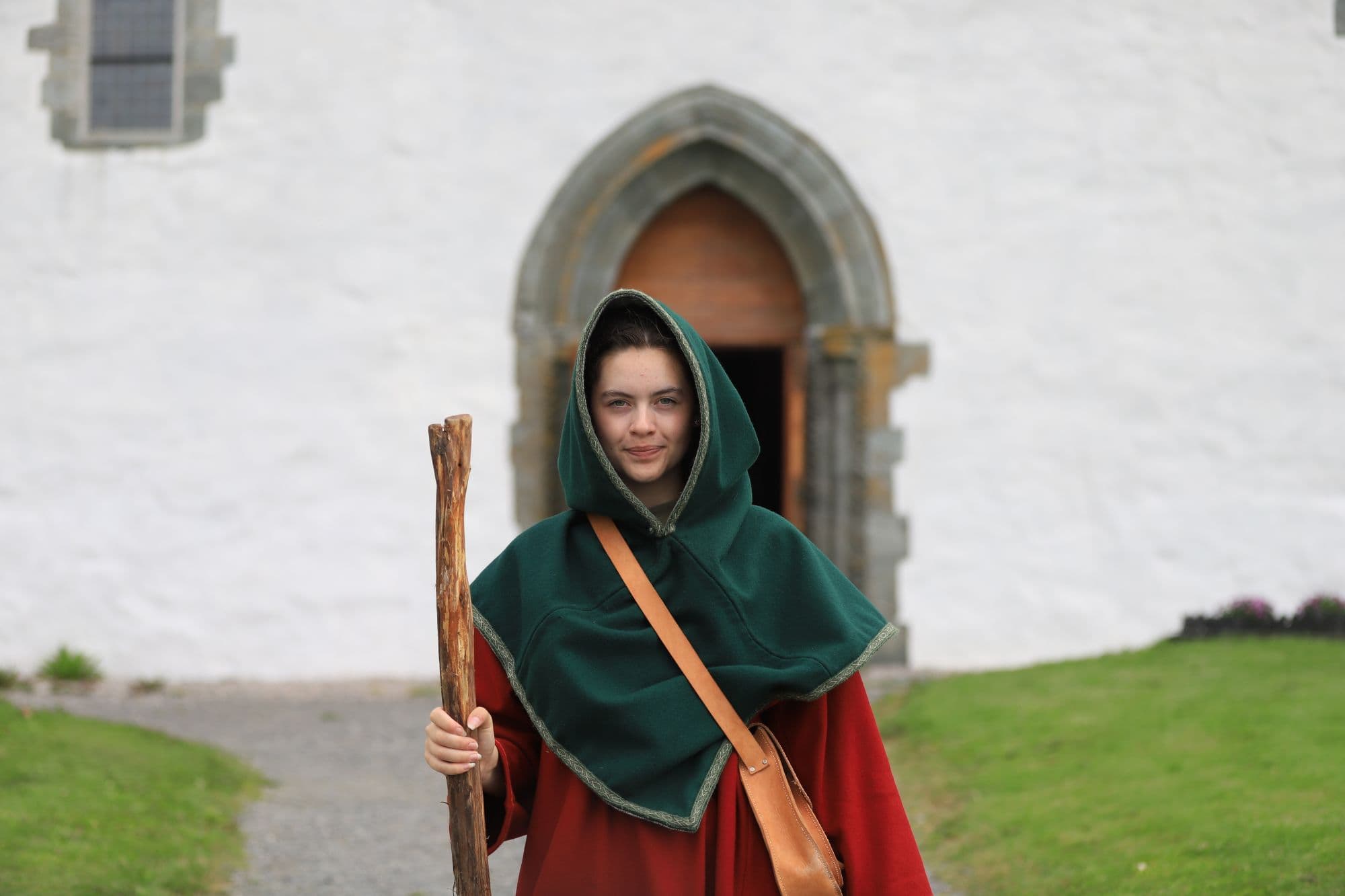
Pilgrimage to St. Olav`s church - a part of the Coastal Pilgrimage Route, Avaldsnes
Avaldsnes
Avaldsnes is the regional center for the Coastal Pilgrimage Route «Kystpilegrimsleia» that extends from Egersund to Trondheim. A spectacular and beautiful journey along the coast with fjords, islands, islets, and skerries - a saga from Viking to pilgrim.
Olavskirken, built around 1250 by King Håkon Håkonsen, shows just how important the place was in the Middle Ages. These days, you can get info and have your pilgrim passports stamped at the Nordvegen History Centre, experience a historical walk and follow pilgrim posts in beautiful surroundings.
Practical planning for your pilgrimage
Here you will find several articles about pilgrimages and tips on how to best plan your route.
Great interest in pilgrimage
Historically, a pilgrim was a person who embarked on a journey with spiritual content or towards a holy destination. Many hoped to be cured of illness, and others set out on the journey to atone for their misdeeds. Still others travelled purely for the sake of travel or adventure.
Modern pilgrimages can hardly be called penance. They can be journeys to seek new values, improve the quality of life and gain new inspiration. There is great interest in pilgrimages today.