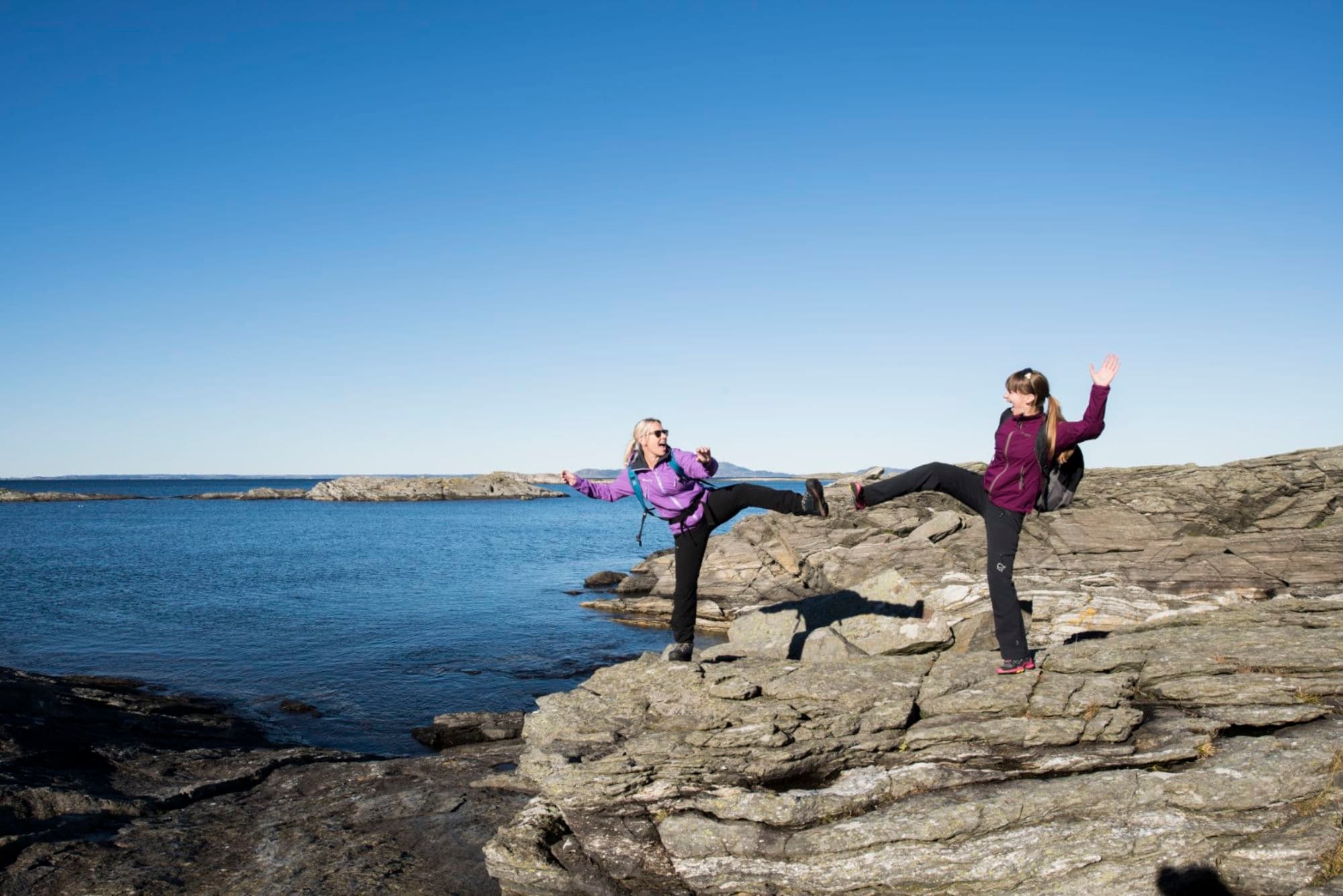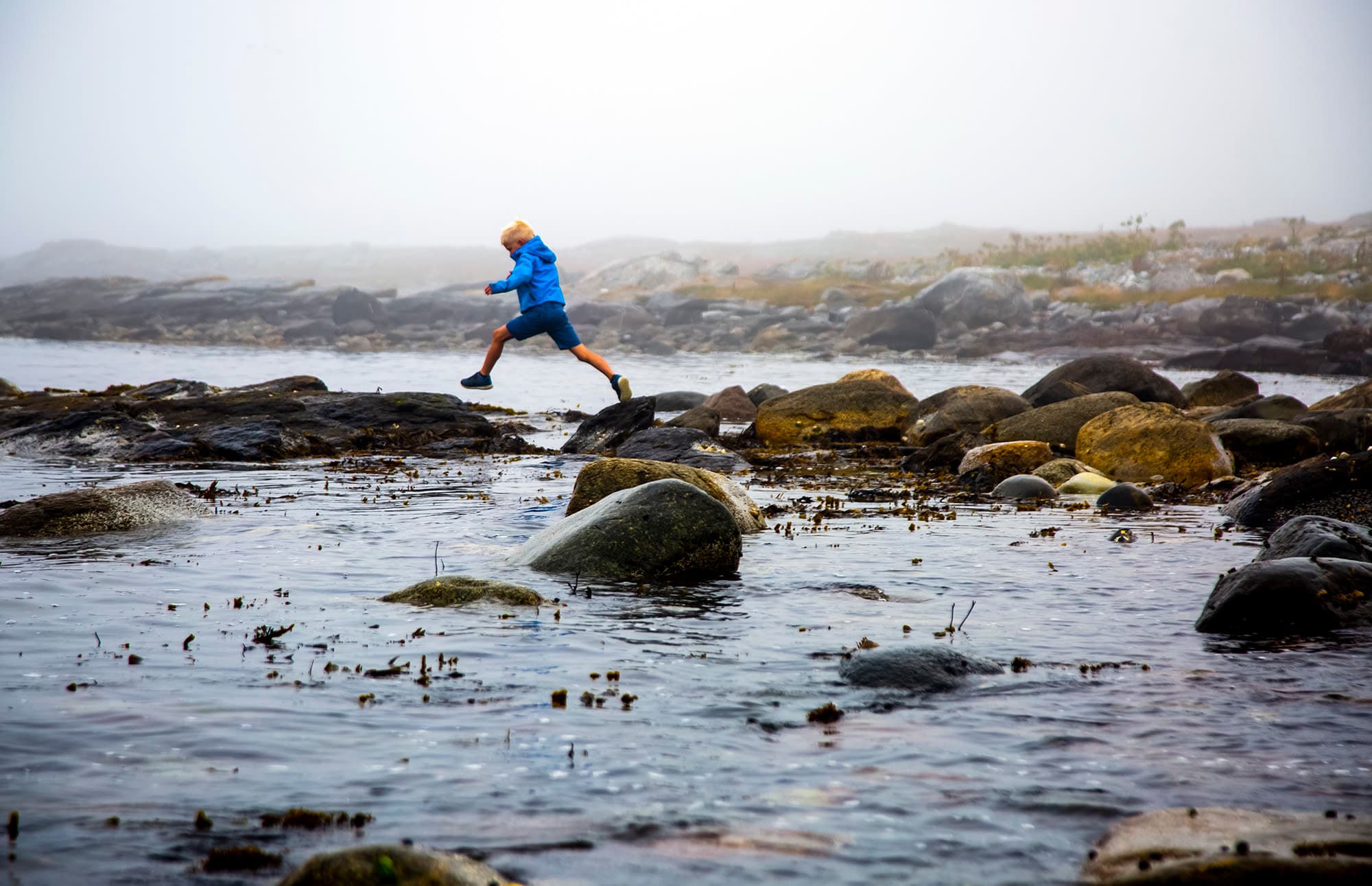
— Take care on wet and slippery rocks along the coast
Useful information
Stay safe along the coast and on the islands in the Stavanger region
- Winter
- spring
- summer
- autumn
Last updated 2026-08-05
Are you planning a trip along the Jær coast or to the islands in the Stavanger region? Get advice on the weather, waves, swimming, rocky shores, grazing livestock, campfires and staying safe in the countryside.
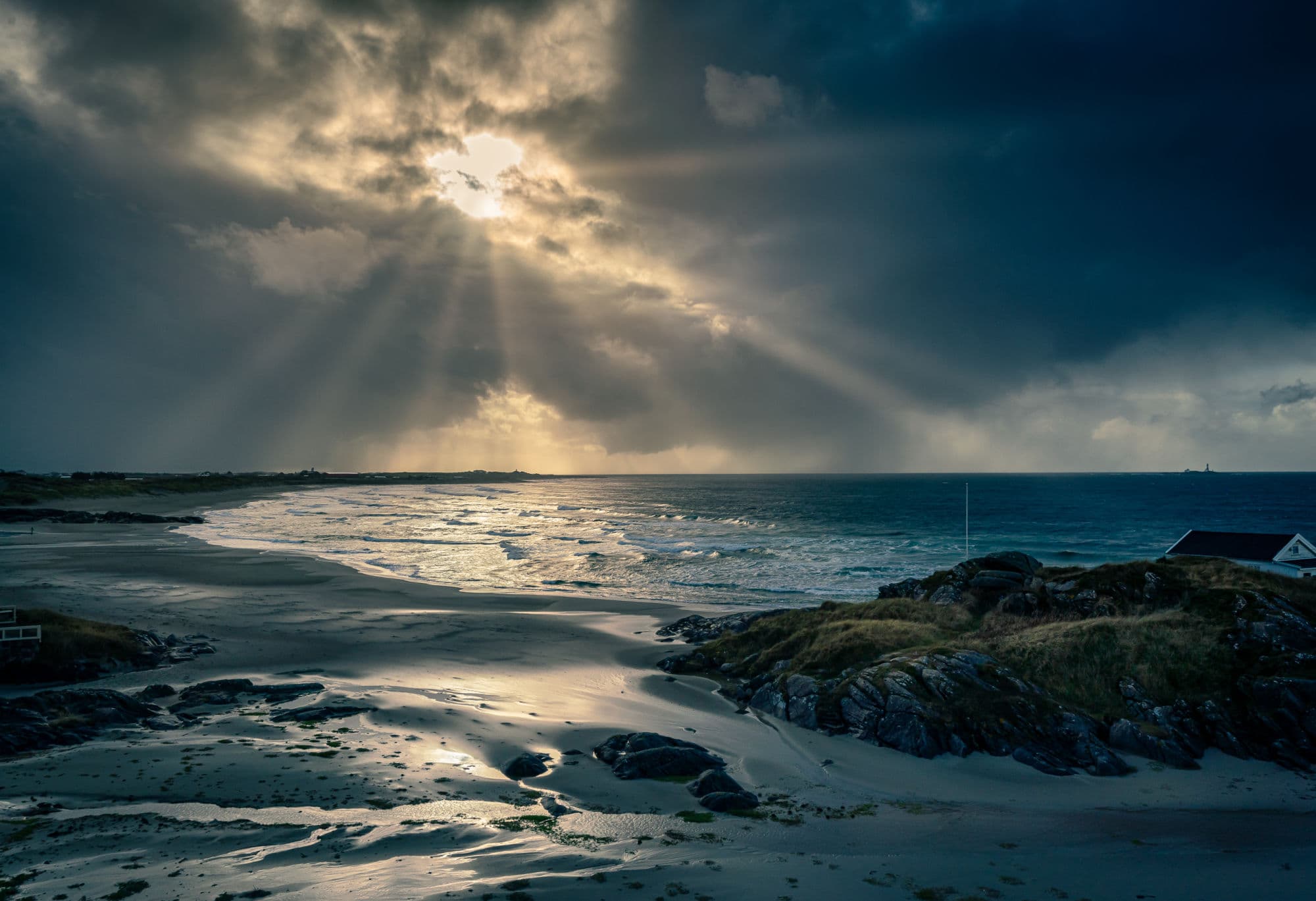
The coastline in the Stavanger region offers open beaches, rocky shores, cliffs, sheltered coves and a multitude of islands. The scenery is beautiful, but the weather, wind and waves can change conditions rapidly. With good preparation and respect for nature, you’ll have a safer and more enjoyable experience.
Before you set off
Check the weather forecast, wind conditions and, if applicable, the tides before your trip. Conditions can vary greatly between the mainland and the islands – and the weather can change quickly.
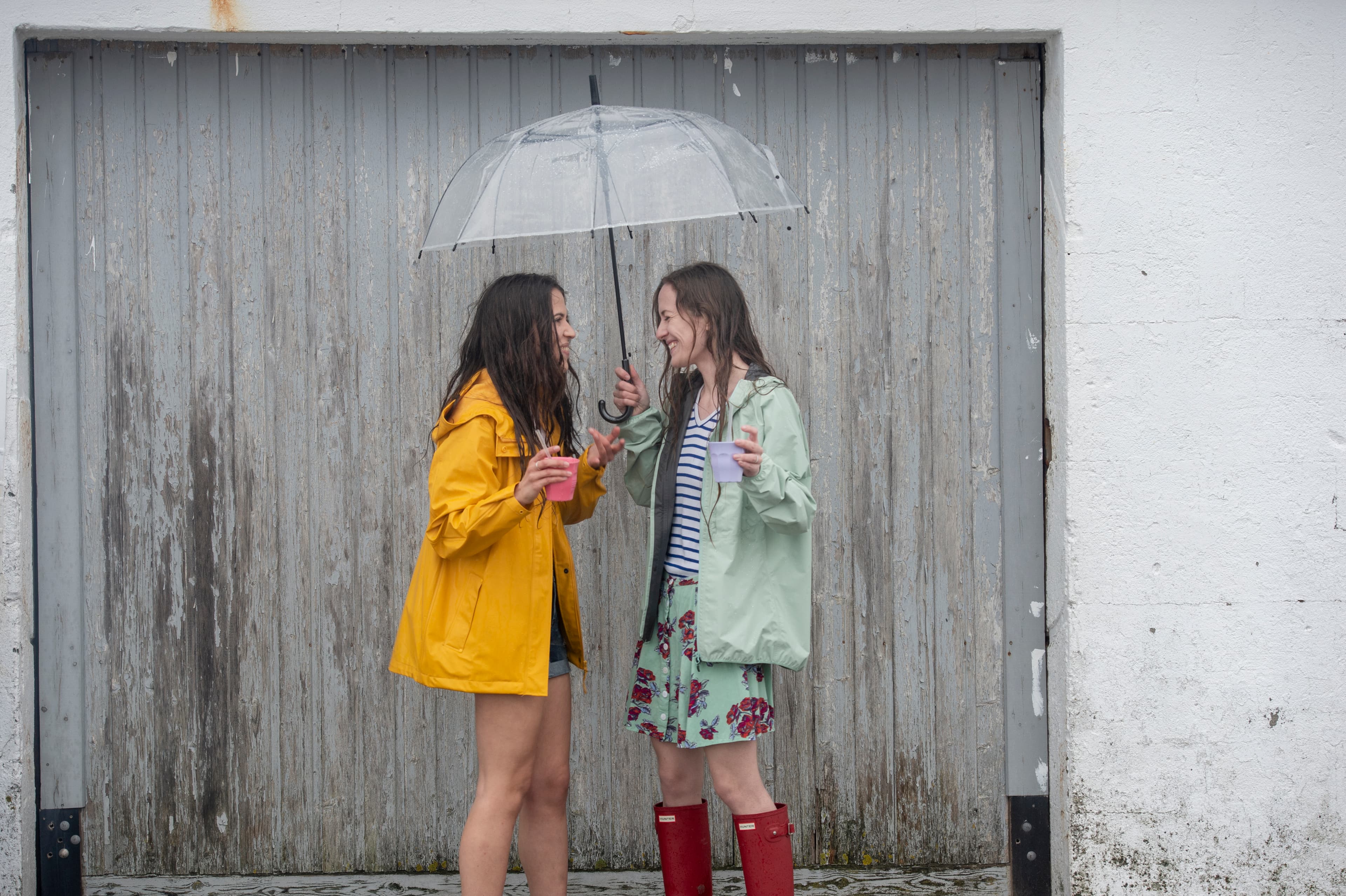
Bring clothing suitable for wind and rain, and wear shoes with good grip. Make sure your mobile is charged, and consider downloading maps and route descriptions in advance. On smaller islands and in remote areas, mobile coverage can vary.
Let someone know where you’re going and when you expect to be back. Turn back in good time if the weather or conditions become worse than expected.
Take care around waves, rocky outcrops and cliffs
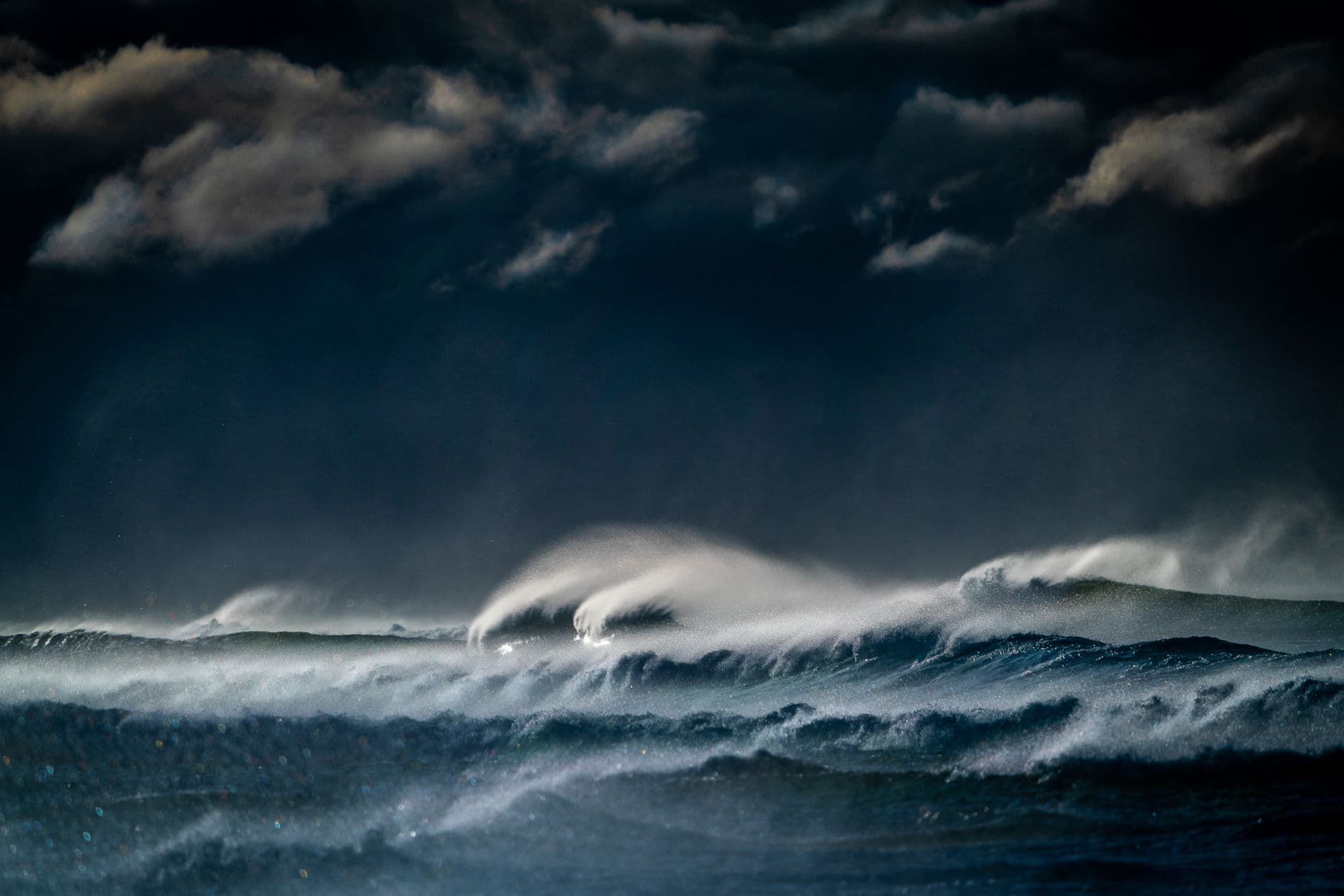
Wet rocky outcrops, stones and areas covered in seaweed can be extremely slippery. Keep a safe distance from waves, steep edges and exposed rocky areas – even when the sea looks calm. Large waves can appear unexpectedly.
Do not walk right to the edge to take photos, and keep a close eye on children. Avoid entering caves, narrow inlets or areas close to the sea if the waves are high or the tide is rising.
Swim safely
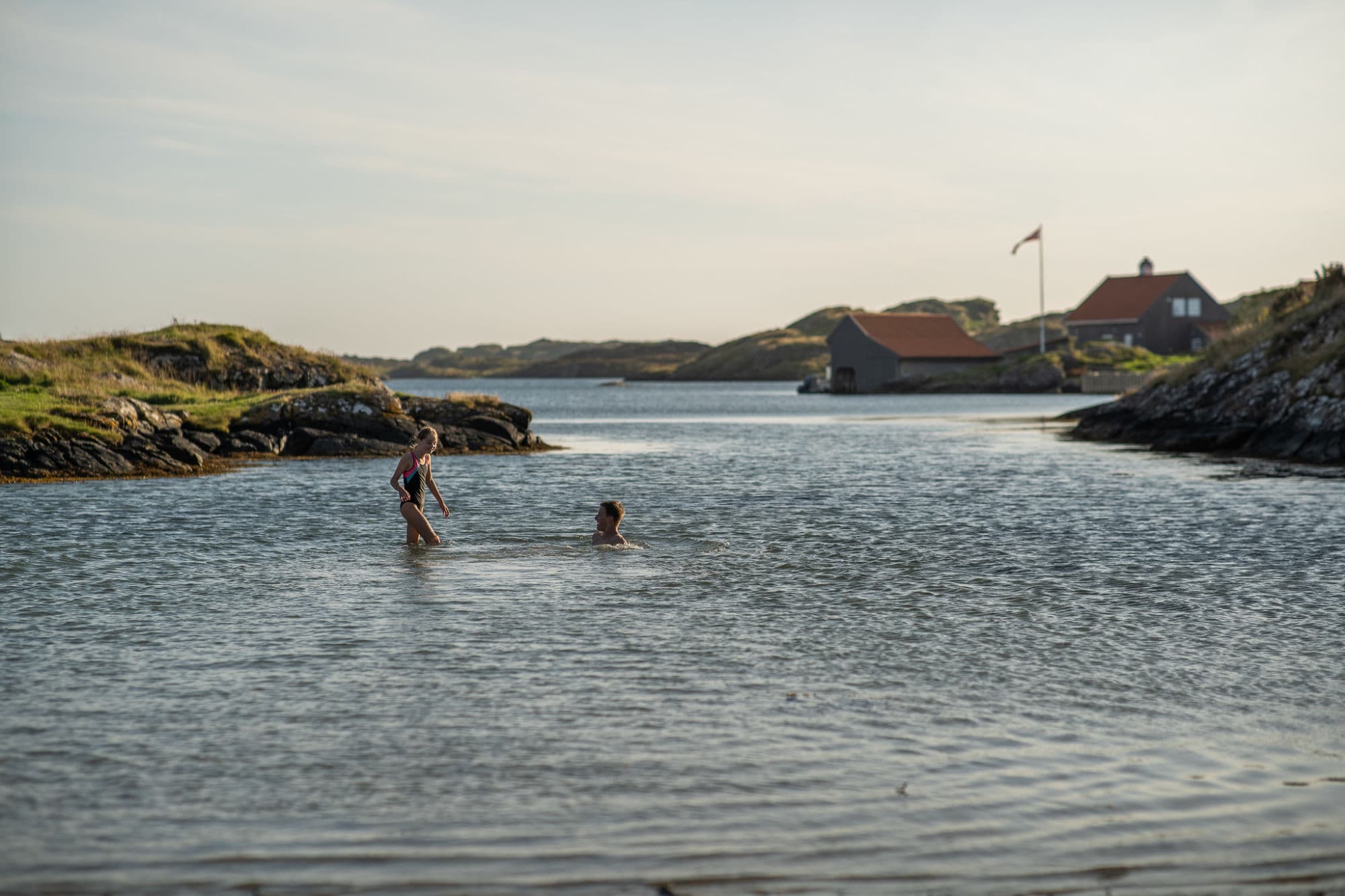
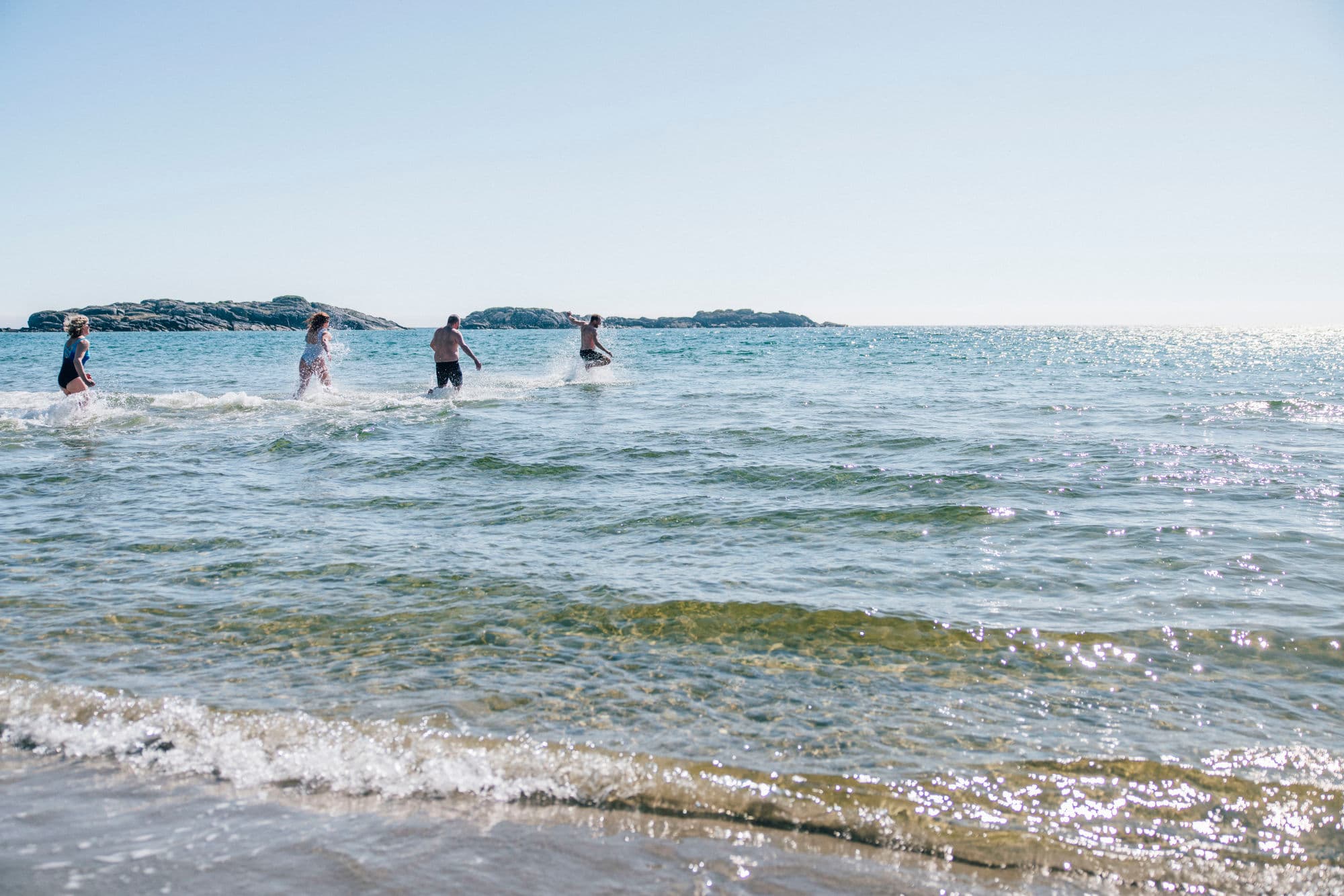
Whenever possible, swim at well-known and easily accessible bathing spots. Check the depth, currents, waves and seabed before entering the water. Swim with others and get out before you get cold or tired. Children and non-swimmers must always be closely supervised by an adult.
Be aware of rip currents
The open sandy beaches at Jæren are exposed to wind, waves and rip currents. Rip currents can quickly carry you away from the shore and are difficult to spot. They can also occur in areas where the sea appears calmer than in the surrounding areas.
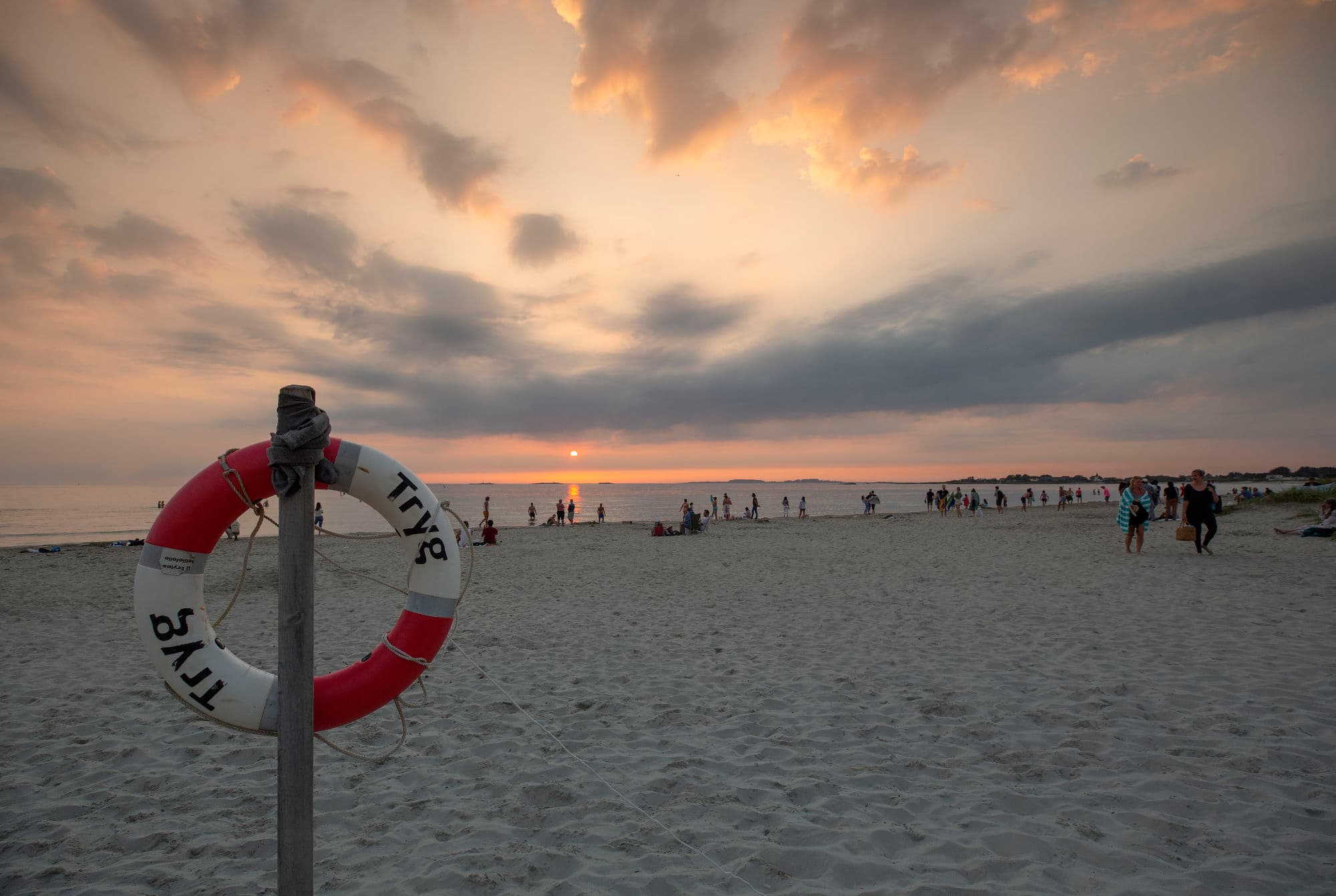
Take special care at Borestranden and Brusand, where strong currents are known to occur. Rip currents can also occur at other open beaches along the Jæren coast. Follow the signs on the beach, avoid swimming when the waves are high or conditions are unclear, and keep a particularly close eye on children – even in shallow water.
If you are caught in a rip current, do not try to swim directly against it. Stay calm and swim parallel to the beach until you are out of the current. Then swim towards the shore. If you are unable to get out of the current, try to float or tread water and call for help.
Avoid swimming in streams and canals that flow into Solastranden, Vigdelstranden and Hellestøstranden. Sola Municipality advises that these may contain high levels of bacteria. Bathing water quality may also deteriorate following heavy rain. Do not swim if the water is discoloured, cloudy, smells unpleasant or has visible algae.
Useful links
Travelling around the islands
On the islands, roads can be narrow and parking spaces limited. Please only park in designated areas, and do not block roads, passing places, farm access or access for emergency vehicles.
Check the timetables for ferries, express boats and buses before your trip, and allow plenty of time for the return journey. Please note that services may be limited in the evenings, at weekends and outside the summer season.
Plan your trip with Kolumbus.
Do not assume that all islands or hiking areas have shops, toilets or access to drinking water. Bring everything you need – and take all your rubbish back with you.
Show consideration for grazing animals and farm operations
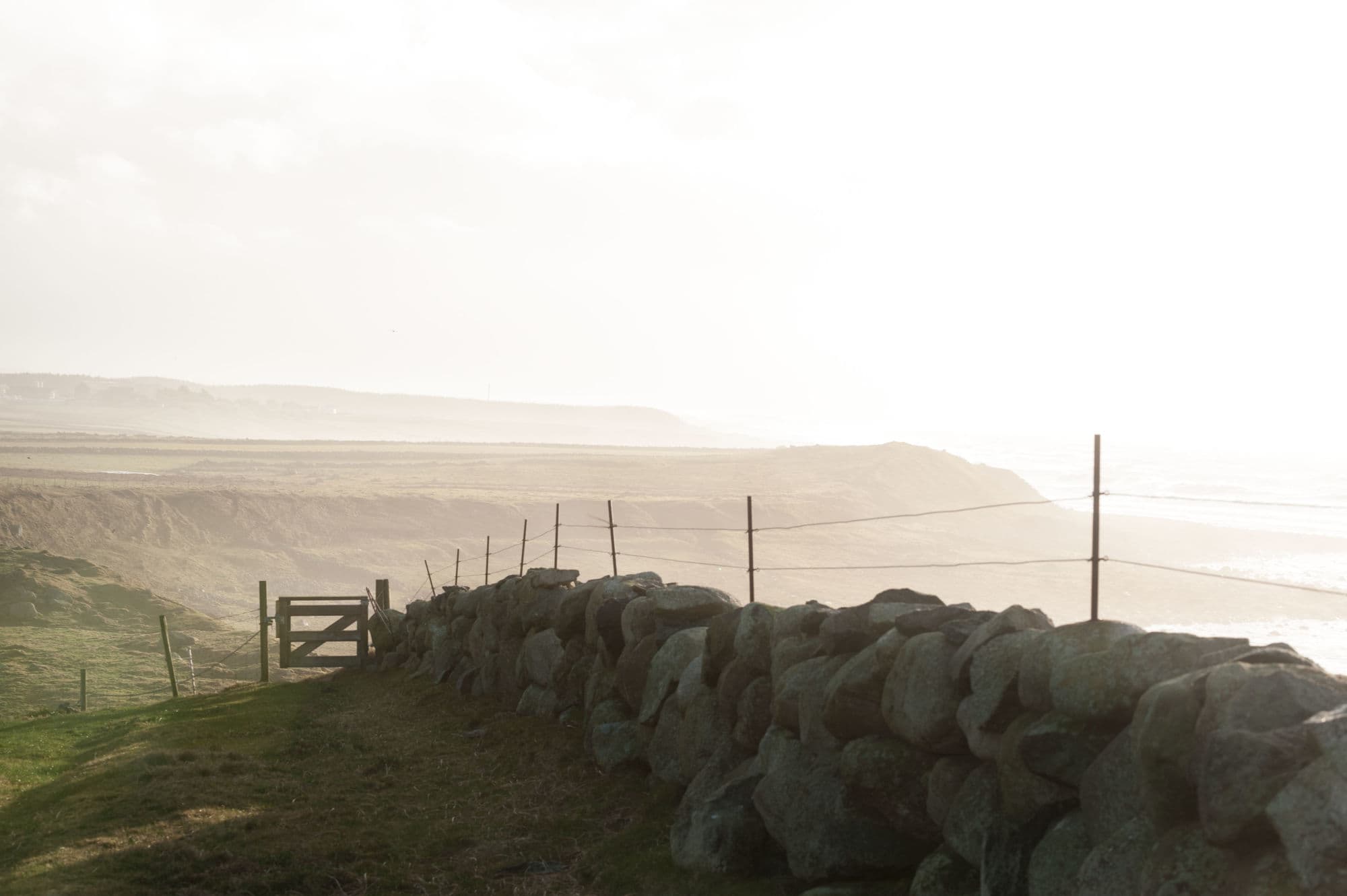
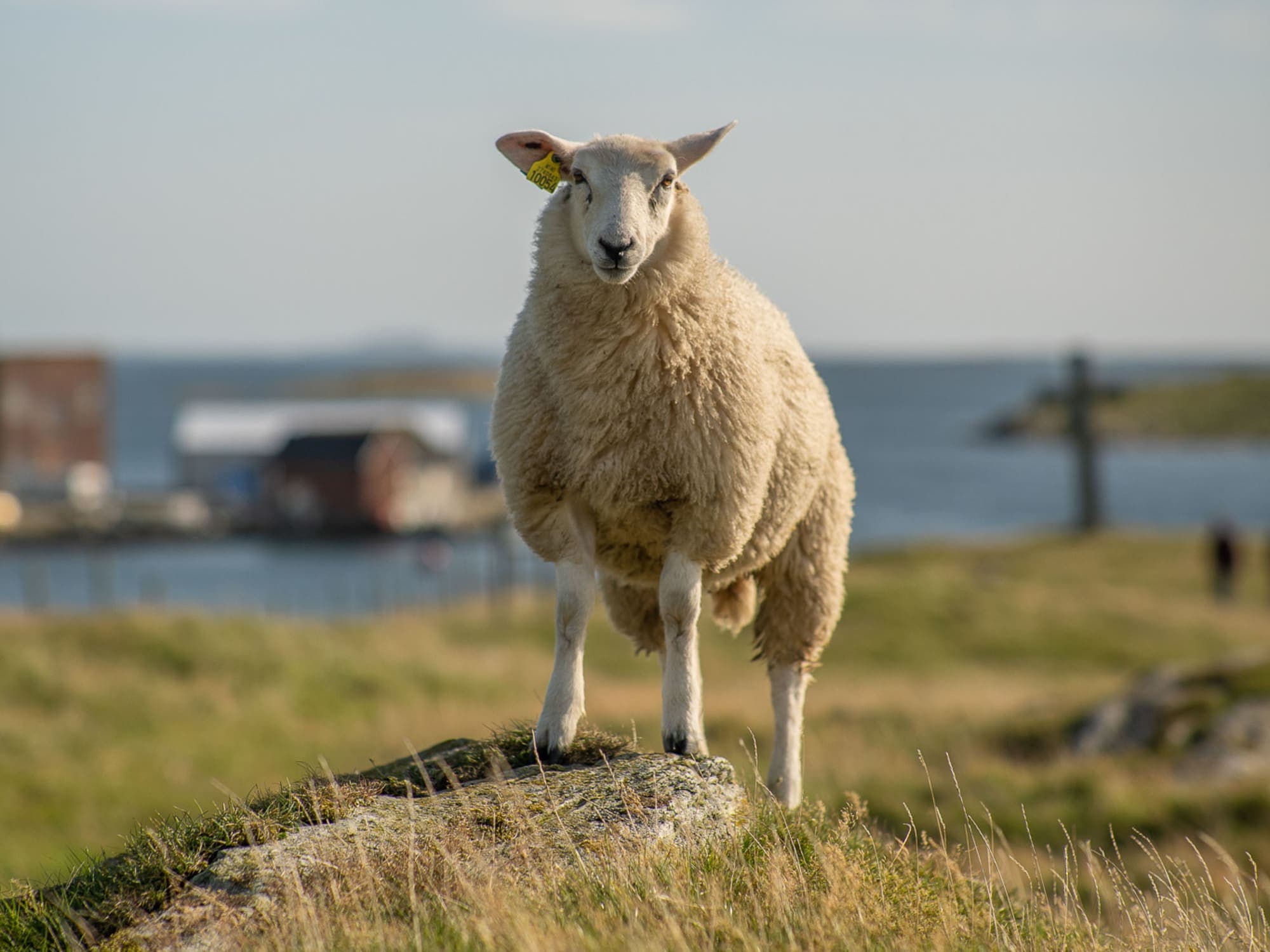
Many walks pass through active agricultural and grazing land. Follow marked paths, close gates behind you and keep a safe distance from sheep, cows and other grazing animals. Do not feed or chase the animals, and never walk between a mother animal and her young.
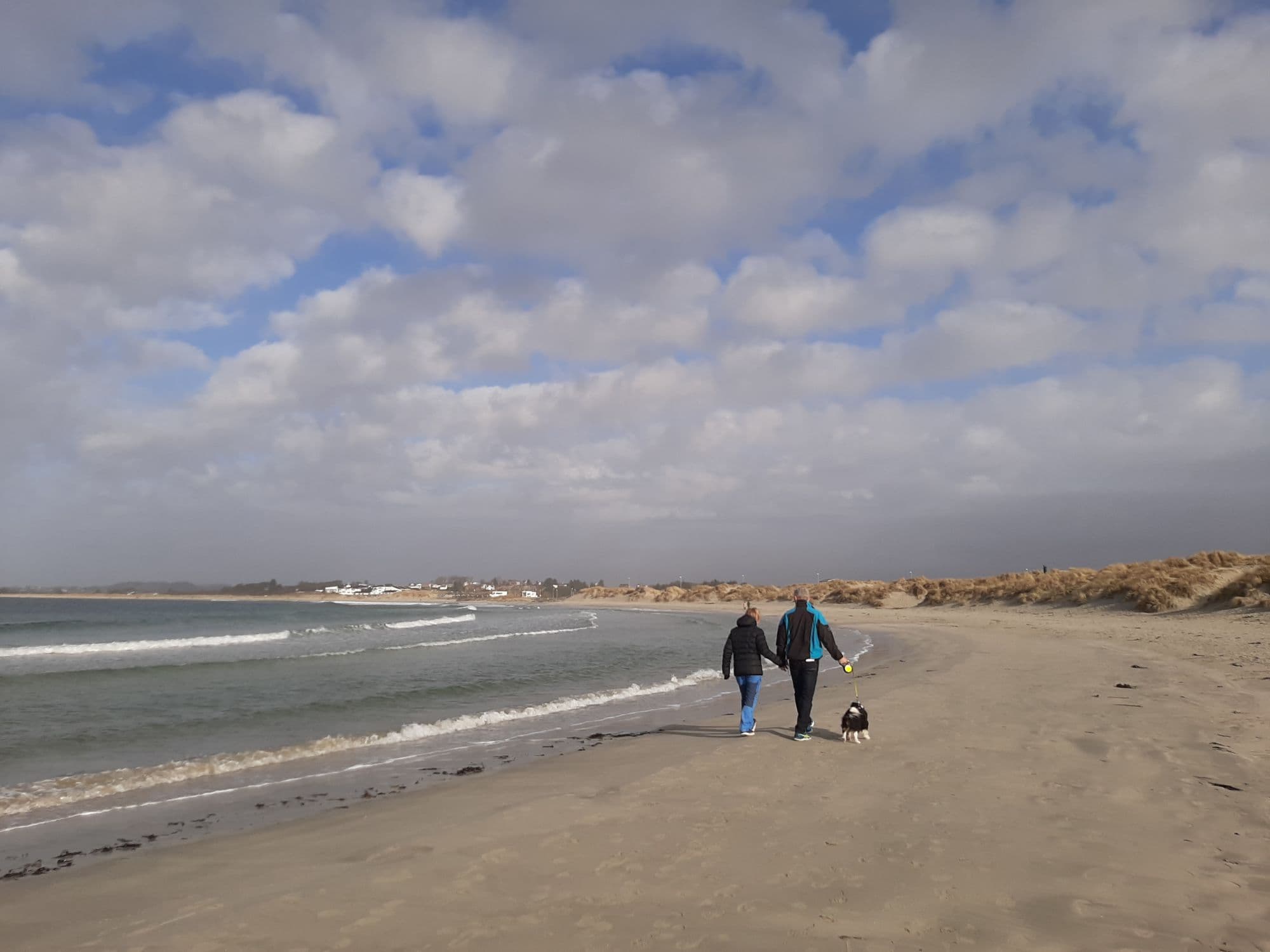
If you are bringing a dog, it must be kept under control. Follow the signposts and local rules on keeping dogs on a lead. Some areas may have extended or year-round lead requirements to protect grazing animals and birdlife.
Please take extra care along the Jæren beaches
The Jæren beaches are a protected landscape with vulnerable vegetation and important areas for birdlife. Please use the marked paths, avoid walking on the dunes and respect areas with access restrictions.
Dogs must be kept on a lead all year round along the Jæren beaches. As a general rule, camping is not permitted in the protected area, and you must not light bonfires directly on the ground. It is also not permitted to take stones, seaweed or kelp from the protected area.
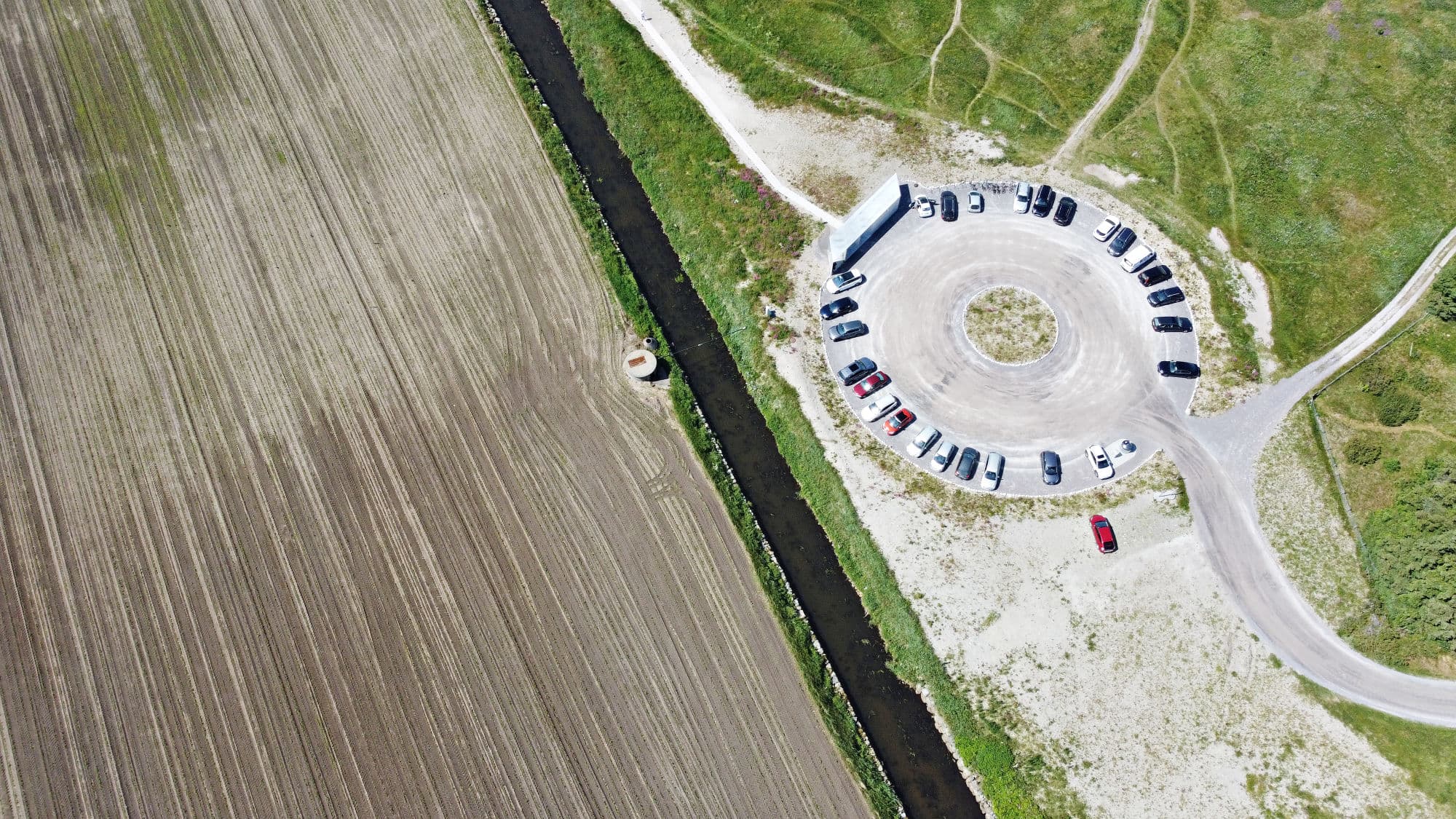
Only park in authorised car parks. If the car park is full, you should choose a different destination.
Campfires, barbecues and camping
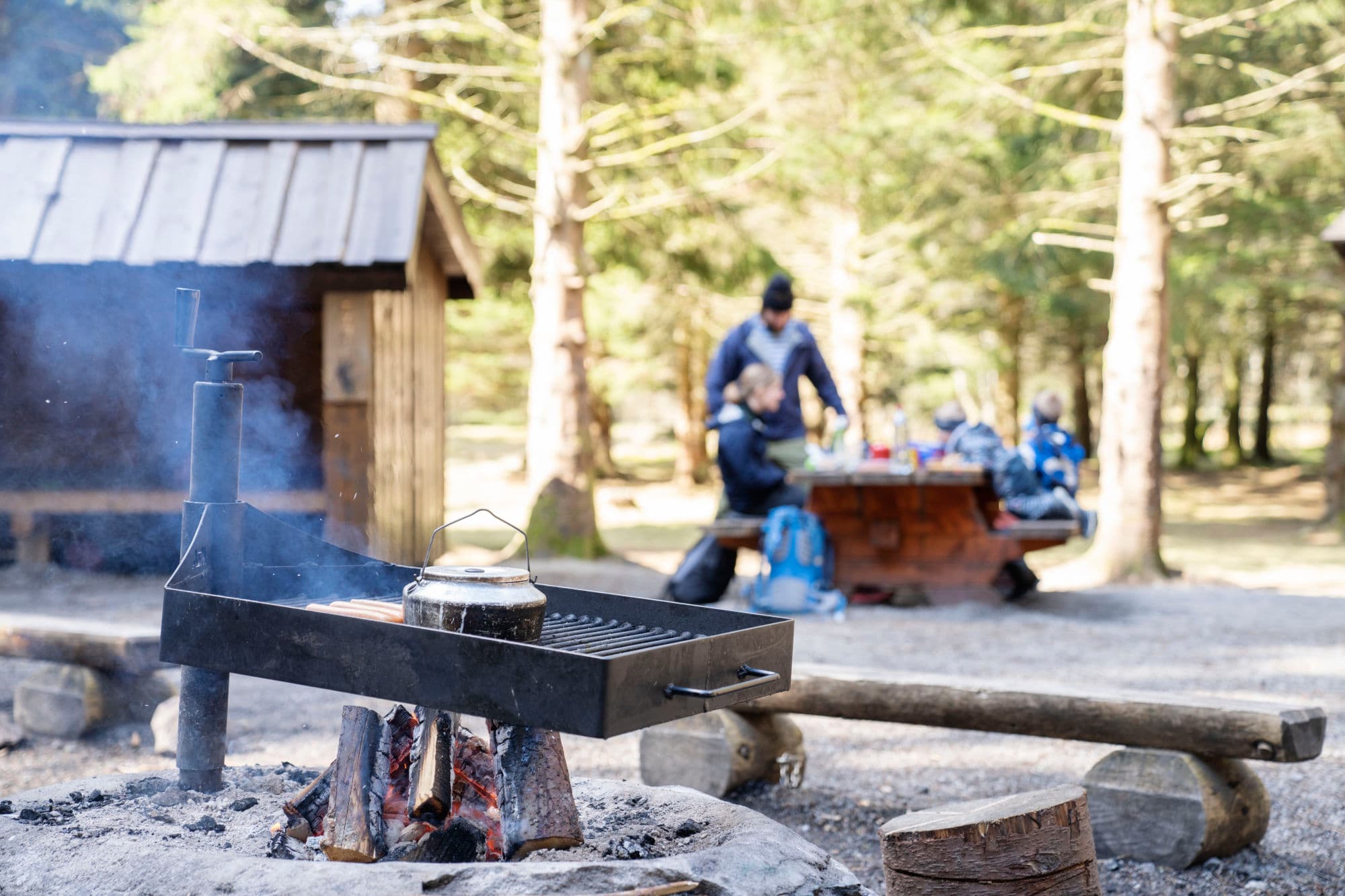
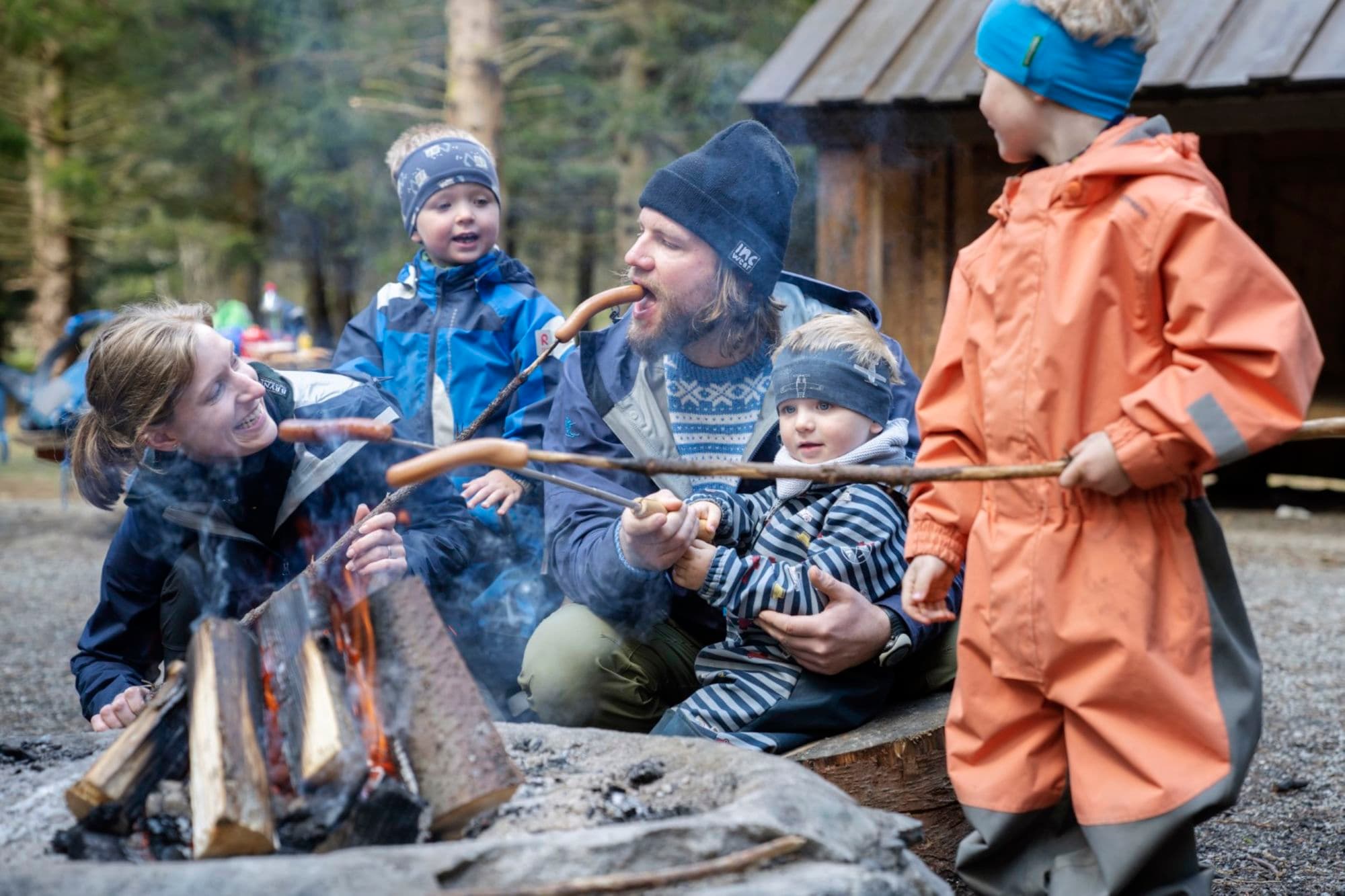
In Norway, there is a general ban on lighting bonfires in or near forests and open countryside from 15 April to 15 September. The ban also applies to disposable barbecues and other heat sources that could start a fire. Furthermore, stricter local bans may be introduced when the risk of fire is high.
You are always responsible for assessing the fire risk and ensuring that the fire is completely extinguished. Use designated campfire and barbecue areas where permitted, and check local regulations before lighting a fire.
Read more about what you should know before lighting a campfire on the website of the Norwegian Directorate for Civil Protection (DSB).
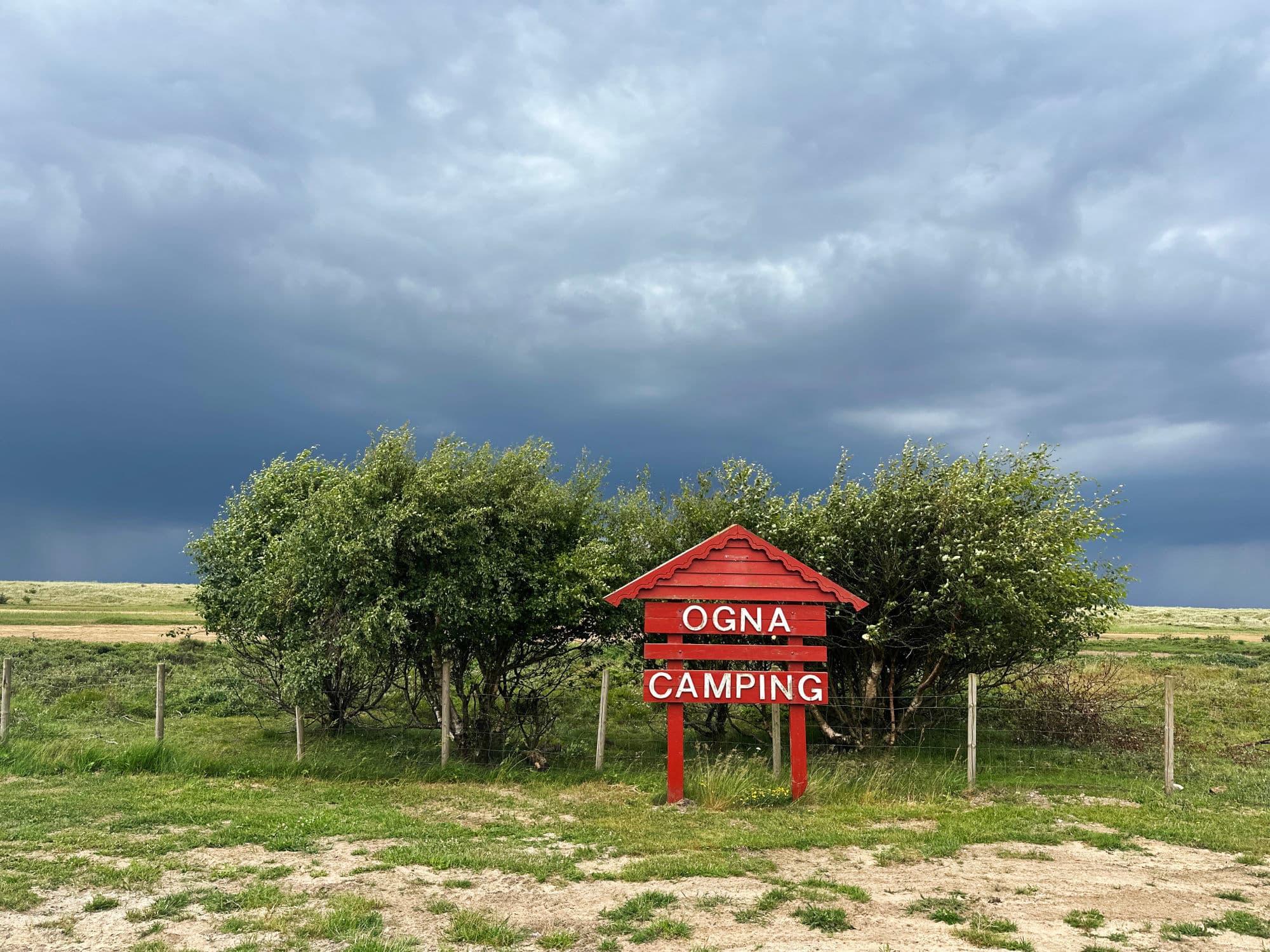
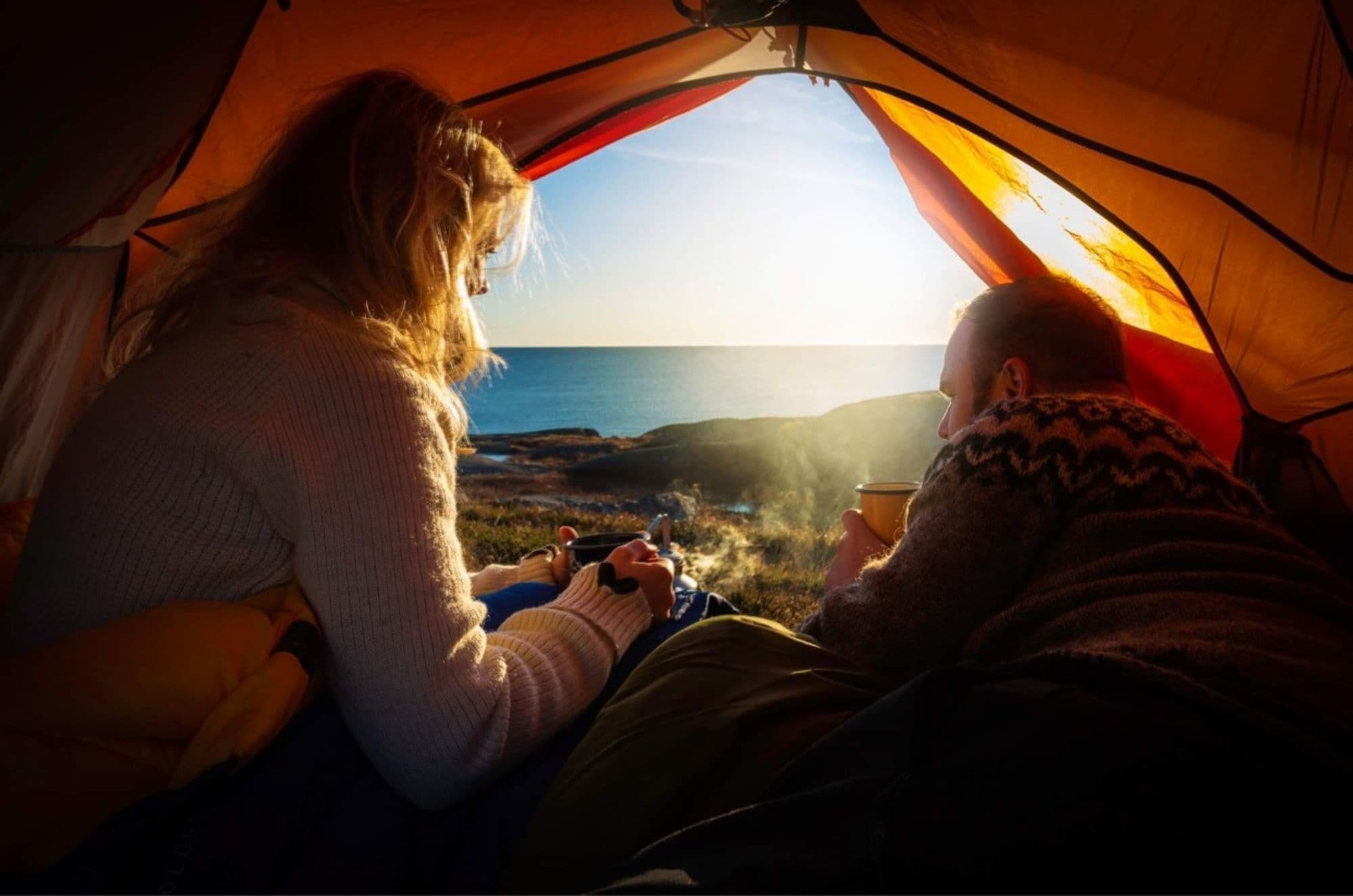
If you are staying overnight, you must check which rules apply at the location. Protected areas, outdoor recreation areas and islands may have their own regulations regarding tenting and camping. For example, tenting is only permitted on uncultivated land; that is, not on cultivated land or fertilised pasture. Tenting is not permitted in areas with sand dunes or in areas designated as plant reserves, bird sanctuaries or natural monuments. Where possible, use a campsite instead. Read more about camping in our region here.
Are you going out in a kayak, on a SUP or in a boat?
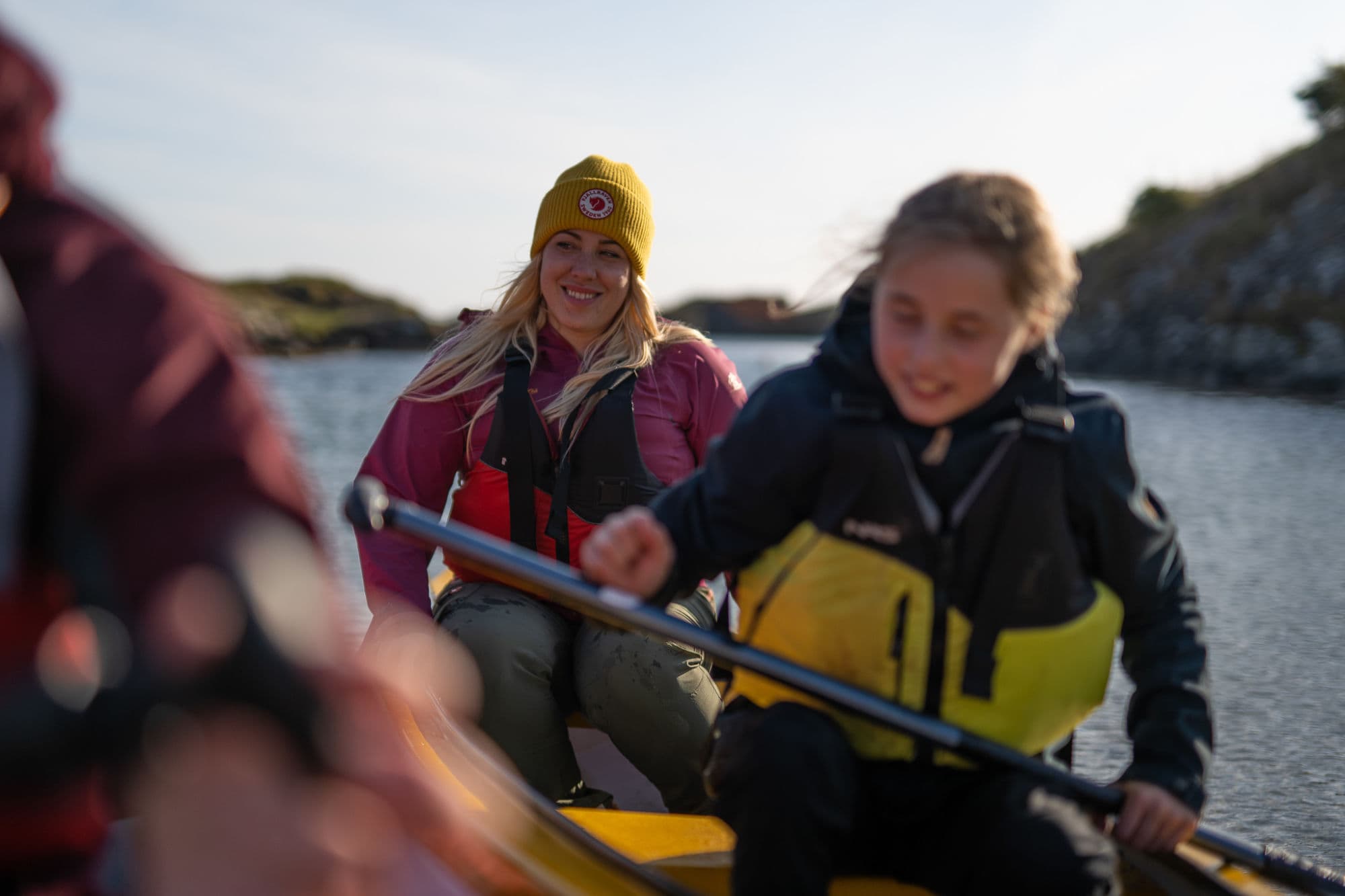
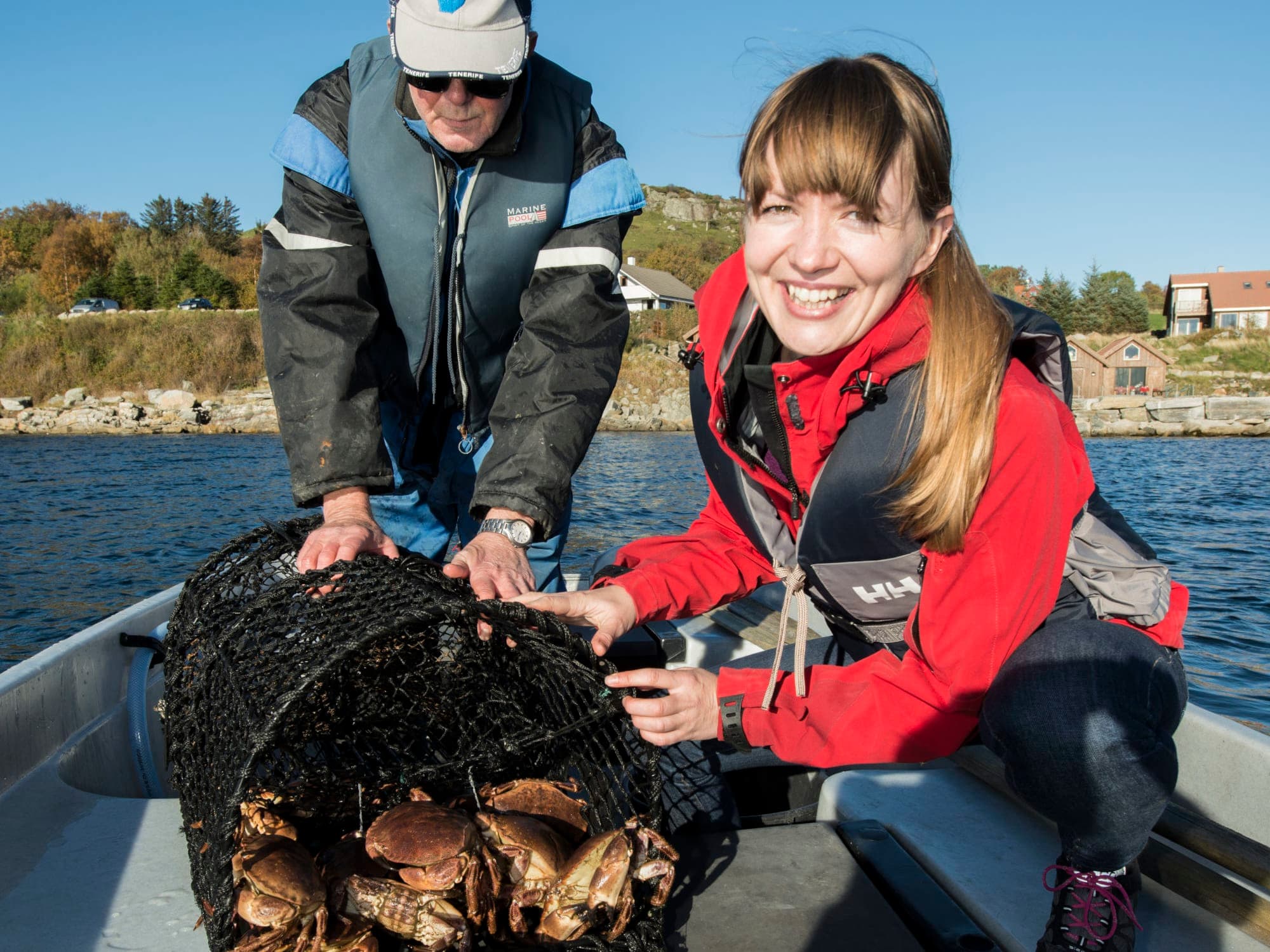
Always wear a suitable personal flotation device or life jacket and dress for the water temperature – not just the air temperature. Check the wind, waves and weather forecast before you set off. The wind direction can make it easy to head out, but difficult to return.
Tell someone where you’re going. Do not go out alone in exposed waters unless you have the necessary experience. Stay close to shore and within an area that suits your ability.
See more advice at Visit Norway under Safety at Sea.
Look after the natural environment
Follow marked paths where they exist, and respect private property, cultivated land and sensitive natural areas. Do not disturb birds or other animals, and take all your rubbish with you.
Leave stones, plants, shells and cultural heritage sites exactly as you found them. In this way, you’ll help ensure that the natural environment and the experiences it offers are preserved for those who come after you.
If something happens
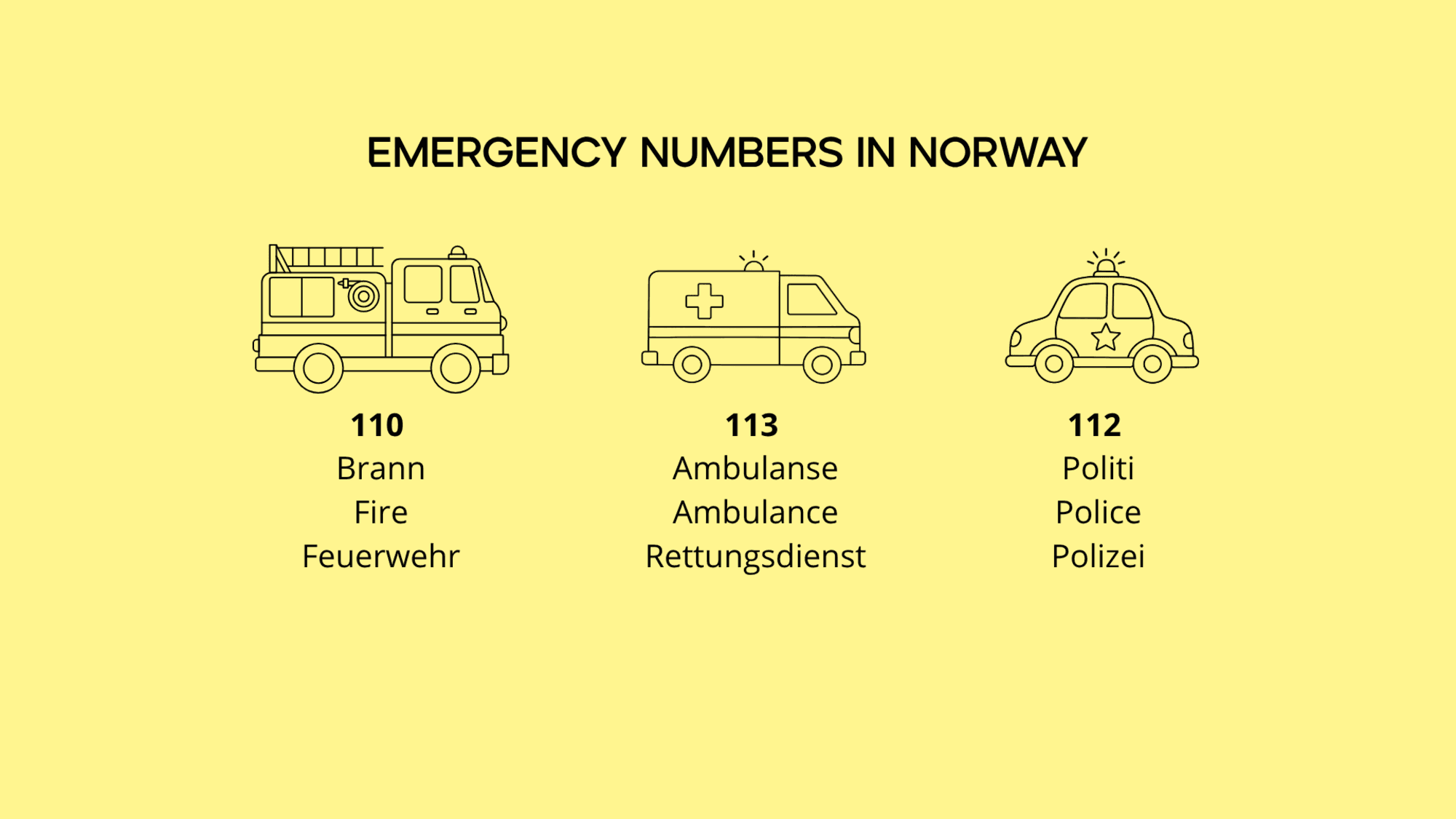
In the event of an immediate threat to life or health:
- Call 112 for the police and emergency services.
- Call 113 if you need urgent medical assistance.
- Call 110 in the event of a fire.
State your location as precisely as possible. Use the map on your mobile to find your location if you are unsure.